
All attractions
There’s plenty to see in the Vaasa region! Discover the region’s attractions, places to visit and unique locations – from the vibrant city to peaceful countryside landscapes and the Kvarken Archipelago. Find your favourites and start exploring the Vaasa region!
-
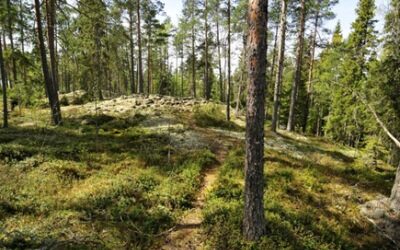
The bronze age cairn cemetery of Tuomaanmäki is located approximately 7 kilometers southwest of the center of Isokyrö, south of Tervaneva, on a wooded and rocky hill area. On the northwest edge of this area, there are six cairns along a distance of about 200 meters. The cairns have diameters of 5-10 meters, and remnants of a stone cist structure are still visible in one of them. Over time, the cairns have been excavated and stones have been removed.
-
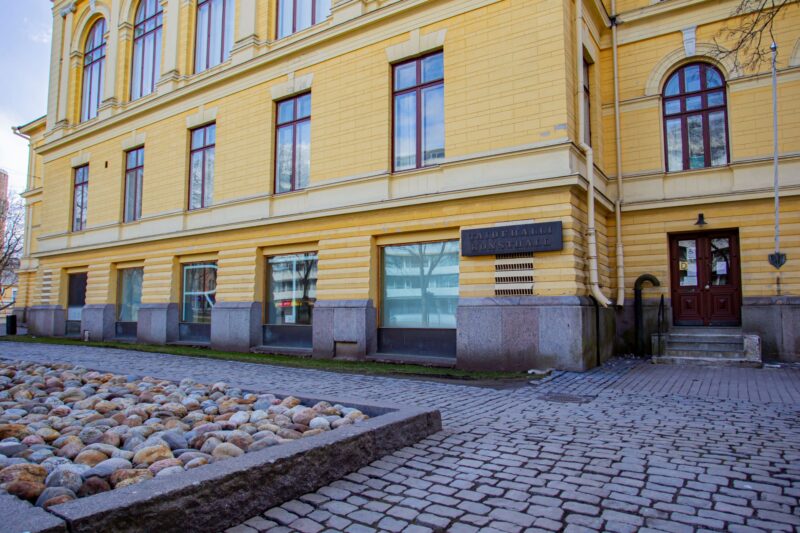
Vasa Art Hall and Gallery is a non-commercial art gallery maintained by the Vaasa Artists’ Guild.
The gallery is located in the Vaasa City Hall (entrance from Raastuvankatu) right in the center of Vaasa. The gallery exhibits contemporary art in solo and group exhibitions, featuring both domestic and foreign artists.
The hall is divided into three parts. The large hall hosts exhibitions lasting 8 weeks, while the small gallery changes its exhibition every month. The third space functions as an art library. Adjacent to this, there is also a fourth space where the IBIS Photo Gallery holds its exhibitions.
-
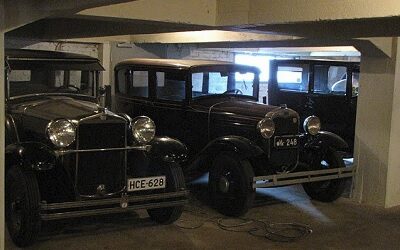
In the Vaasa Car and Engine Museum are displayed vehicles from each decade of the 20th century. Come and get acquainted with the widest collection of old and a little newer cars in Vaasa. On display are also a wide selection of products from engine factories in Vaasa as well as some theme exhibitions.
The Vaasa Car and Engine Museum opened its doors in 1981. There are motors and cars in the museum all the way from the beginning of the 20th century to the present day. The history of traffic and vehicles is displayed in the museum with the help of renovated cars and other vehicles. Among these can be mentioned the horse-drawn ambulance dating back to 1909.
There are also several fire trucks and other fire fighting equipment on view, and let’s not forget the bicycle. The vast collection of bicycles in the museum offers the visitor the possibility to get acquainted with the trajectory of this vehicle. In addition there are some soapbox cars, snowmobiles, motorcycles and mopeds in the collection.
-
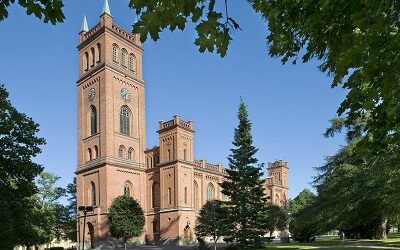
Vaasa Church was planned by the architect C. A. Setterberg and consecrated in 1869. The church, built in an English neo-gothic style, has a capacity of almost 900 people. The last restoration took place in the year 2000.
-
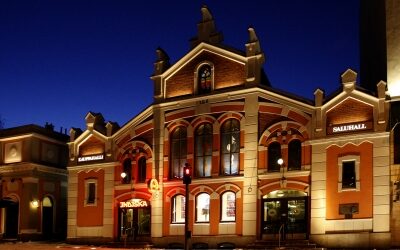
For over a century, Vasa Market Hall has been serving people as an essential gathering place and market in Vaasa. We, the merchants are very proud of our Gothic style hall building and its atmosphere ringing with history. Vasa Market Hall is one of the oldest in Finland, it is also protected by museum laws.
The Market hall was built in two separate sections of which the first, the one adjacent to Vaasanpuistikko stood ready in 1902, the second one, closer to Kauppapuistikko in 1927. From 1963 and on, the two sections have been incorporatedt, making a free passage between the upper and the lower section of the Market Hall.
Visit the Market Hall for lunch, finish it off with a nice espresso and bring home some nice fresh ingredients – everything conveniently under the same roof! We also offer special treats that make your taste-buds water.
-
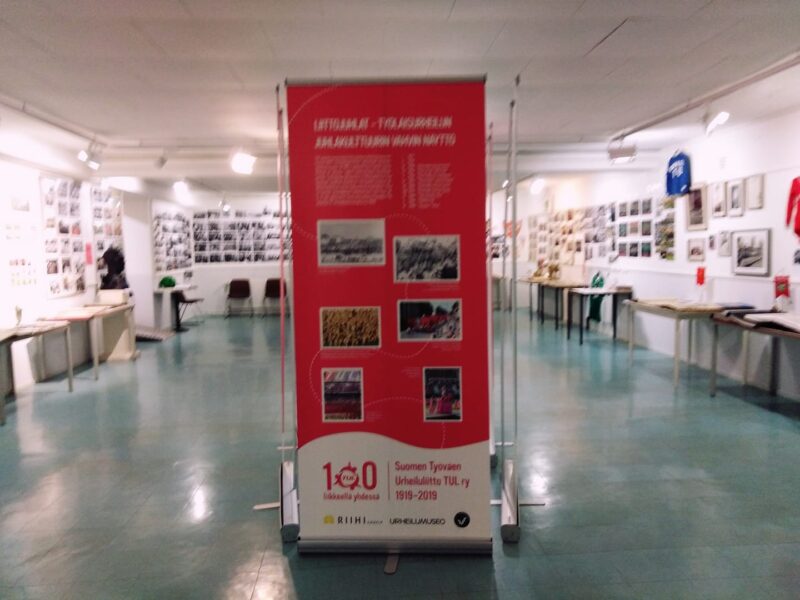
Vaasa Museum of Labour opened in 1991. In addition to the permanent exhibitions, the museum arranges special exhibitions on a particular theme twice a year. The main purpose of the museum is to develop it into a diverse information centre for working class traditions. The museum also provides tailor made study visits for schools.
-
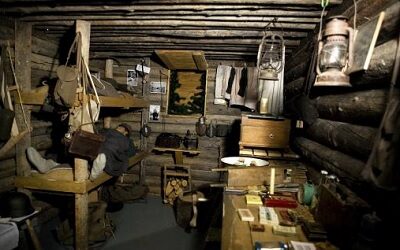
In the exhibition you can familiarize yourself with Finland’s war history all the way from the time of the Russian rule to the end of the Lapland war.
In addition to the basic exhibition the Vaasa War Veteran Museum annually organizes one or two special exhibitions. The museum’s permanent exhibition displays with numerous items soldier and war history from the last two centuries.
-
The Verner Rasmus Museum is an exceptional museum with a unique collection of porcelain artefacts. The museum is a versatile visiting destination with its fascinating combination of peasant furniture, agriculture equipment and books.
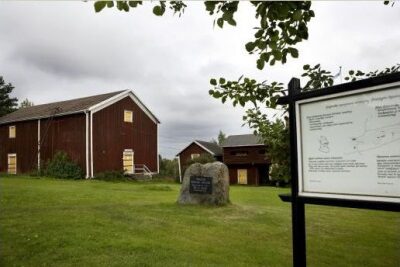
Verner Rasmus was a peasant, who lived in Vörå during the years 1901-1988. He dwelled on his homestead Arvidsgården together with his three siblings, Viktor, Arvid and Aina. The main building of Arvidsgården dates back to 1913. Verner lived in Vörå all his life except for the few years (1927-1931) he spent in Canada. He made his living by farming, but he was also an amateur musician, tinkerer, painter and collector.
-
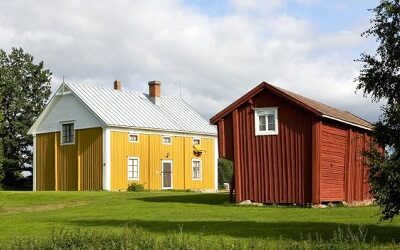
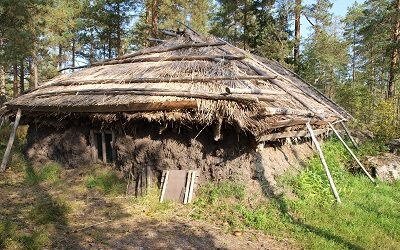
This is one of the oldest discovered dwelling sites in Finland from the Early Bronze Age. You can also explore several well-preserved house foundations and terraces from that period. These ancient remains were located in a coastal bay during the Bronze Age, which extended all the way to the southern part of Vöyri.
-
The Vähäkyrö Museum is situated in an old loan magazine on the brink of the Kyrö river. The exhibition recounts life in the old times, and it has been divided into various themes, for instance the birth of children, spiritual life, agriculture and wartime. The entrepreunership of the Vähäkyrö people can be seen in the collections, and the museum also offers an extensive view on the history of Vähäkyrö.
The items in the museum depict the everyday life of peasants in the days of the past. There are fishing instruments, sleighs, agriculture and platers’ tools. An especially interesting collection displays possibly the oldest midwife’s equipment in Finland, and birth in the old time is represented in the exhibition. The exhibition is supplemented by a nurse’s uniform from the 1950s, by rattles, children’s books and cradles. Wash basins, which were included in the maternity package, were for a long time manufactured in Vähäkyrö. The first midwife of the region, Hilja Solkela, worked in Vähäkyrö in 1927-1958.
-
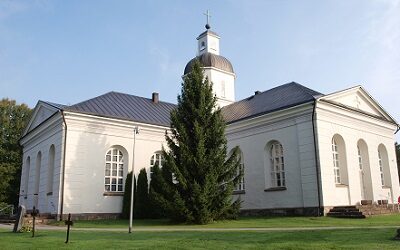
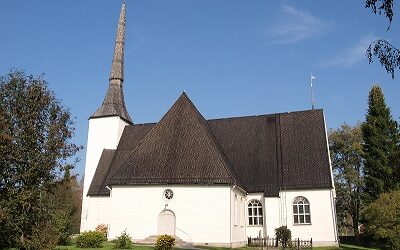
The church in Vähäkyrö was built 1799-1803.
-
The wooden church of Vörå is the oldest wooden church still in use in Finland. The pillar-supported church with a western tower was completed in 1626. It was expanded into a cruciform church in 1777. The crucifix is the church’s most well-known work of art; it was carved by an unknown artist, most likely in Lübeck around 1375–1400.


Vaasa Region Tourism Ltd.
Tourist information
Visit Vaasa’s office
Vaasanpuistikko 12, Vaasa
Open Mon-Fri: 10 am to 3 pm
Special hours:
24.-25.12.2026 closed
+358 40 123 8977 |
visit.vaasa@visitvaasa.fi