A significant share of our everyday emissions comes from the consumption of food as well as goods and services. Everyone can reduce their carbon footprint and affect the environment through their choices. Read below for ways to reduce the climate impacts of consumption!

Reduce food waste
Food waste means food that was originally edible but becomes waste, for example due to spoilage or excess. An estimated more than 20 kilograms of food waste per person is generated annually in Finland (Saa syödä! website). Food thrown away burdens both the environment and the wallet.
Tips for reducing food waste
- Plan grocery shopping and meals in advance: Creating a weekly meal plan can help reduce unnecessary purchases.
- Store correctly: Store food properly and at an appropriate temperature. Here you can find more detailed instructions for proper food storage.
- Check expiry dates: on products in the store and purchased food. Do you know the difference between ‘best before’ and ‘use by’ labels?
- Make meals from ingredients already in your pantry: You don’t always need to buy new ingredients. Enter the ingredients into the Saa syödä! recipe search to see what you can prepare from them. You can also make new dishes from leftovers! Martat offers ideas for leftover dishes.
Need more ideas? Motiva and partners maintain the Saa syödä! website, where you can find more detailed tips for reducing food waste.
More sustainable food
By sustainable food we mean food choices aimed at reducing the environmental impacts of food production and promoting sustainable development. There are many ways to eat more sustainably, regardless of your preferred diet.
Tips for a more sustainable diet
- Consider plant-based options: Meat products, especially red meat, and dairy products have a higher impact on the climate and water systems. You might try occasional vegetarian days or reduce the use of red meat and dairy products.
- Sustainable fish is a better choice: Locally produced and caught fish, fish caught from sustainable stocks, and certified fish are more responsible and lower-emission options.
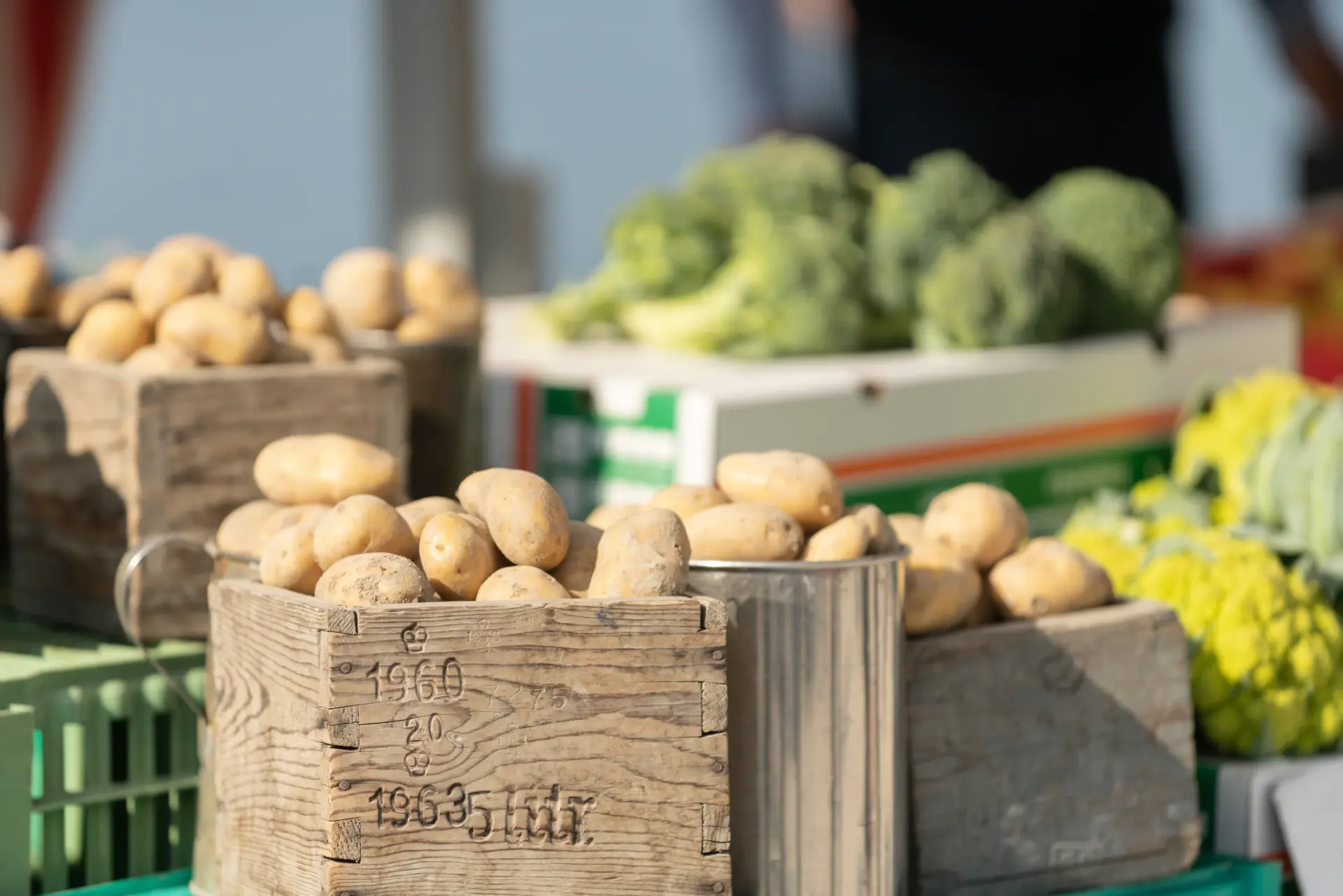
- Choose seasonal products and local food: It’s good to eat vegetables, berries and fruits in their harvest season and, when possible, produced locally. The carbon footprint of domestic products is often smaller than that of products produced abroad.
Read more about sustainable diets on the Ympäristö.fi website.

Consume more sustainably
Goods and services account for about one quarter of Finns’ carbon footprint (Sitra, the Finnish Environment Institute). By thinking about our purchasing choices, we can save natural resources as well as everyday expenses. Have you considered your own consumption?
Sustainable consumption means using resources in a way that reduces environmental impacts, promotes the preservation of natural resources, and supports social justice. When choosing products, it is good to consider:
- the environmental impacts of the product’s manufacture and transportation
- the ethics of production
- the product’s durability and maintainability.
Tips for more sustainable consumption
- Buy only what you need: Consider before buying whether the item is necessary in daily life and whether you will use it often enough.
- Consider shared ownership or lending: If you know you won’t need an item often, you can borrow it or acquire it jointly for shared use. Such items can include tools, for example.
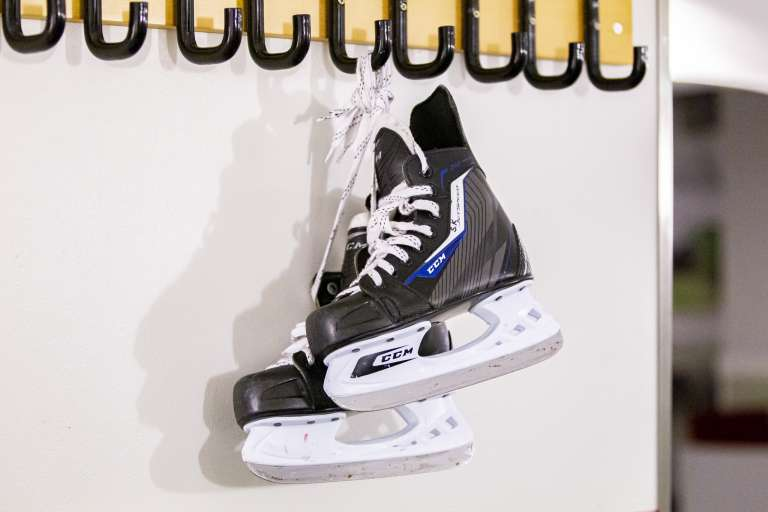
- Maintain items you already own: Take good care of your belongings, furniture, clothes and shoes. Clean or wash them, store them properly and repair broken items when possible.
- Consider maintainability and versatility before purchasing: Can the clothing, shoes or sofa be cleaned and maintained? Is the item stylistically timeless enough?
- Buy second-hand: You can find items, electronics and clothes online and at flea markets. Best of all, this extends the lifespan of already produced goods and often saves money.
- Services and experiences as an alternative to material goods: A physical item is not always the best gift – especially if there is no clear need for it.
Read more tips for sustainable consumption on the Ympäristö.fi service, the Martat site, or the Motiva site.