
All attractions
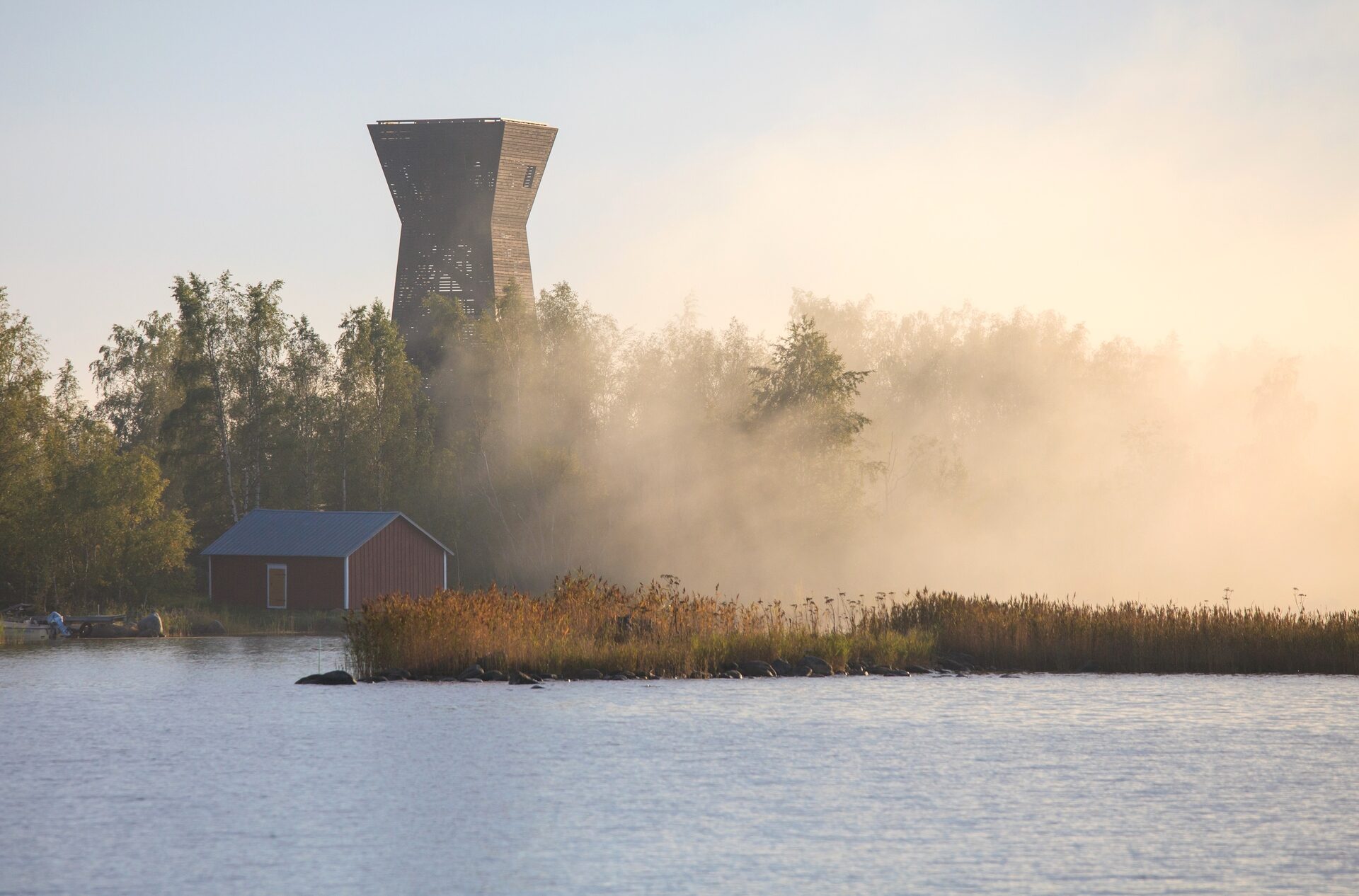
There’s plenty to see in the Vaasa region! Discover the region’s attractions, places to visit and unique locations – from the vibrant city to peaceful countryside landscapes and the Kvarken Archipelago. Find your favourites and start exploring the Vaasa region!
-
You can find information on all outdoor recreation destinations, trails and services throughout Finland on the Luontoon service.
-
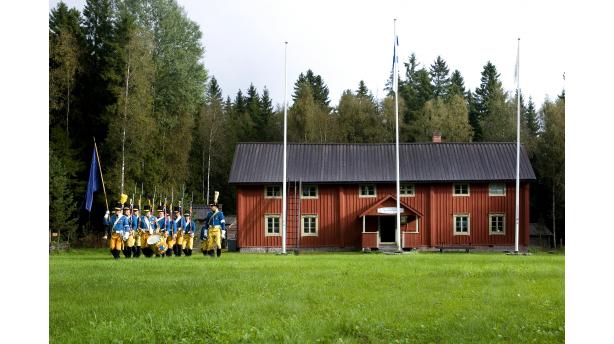
Fänrik Stål’s center includes the area at the historic site of the Battle of Oravais. Here, the war of 1808-1809 is highlighted through both objects, stories, the place and the buildings. The regiment’s exercises and displays bring history to life in period uniforms and weapons.
-
Hägglund’s Photography Museum was inaugurated in 2000, and it is founded upon photographer Erik Hägglund’s studio. The wide collection of cameras and the studio’s equipment illustrate the history of photography from the 1910s to the present day.
Erik Hägglund from Rökiö was interested in art already at an early age, and he travelled to Sweden to work as the apprentice of a painter. There he was employed in a studio and his interest in photography was aroused. When he returned to his home region, he established a modest studio in a stave shed in 1910. He constructed his first atelier camera himself and also painted the shooting background himself. Those are both displayed in the replica of the workshop built inside the museum.
-
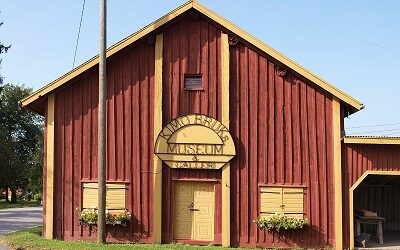
The Kimo Ironworks is the only ironworks museum in Ostrobothnia. The three hundred years old art of forgery is being taught here by one generation to the next with the help of courses and all-day presentations. In the beautiful leafy landscape of dams, rapids and bridges one can explore epochs in history among the 18th century buildings, such as an ironworks estate, a steeple and the ruins of a tilt smithy.
The museum is located in an iron magazine dating back to 1763. On display there are scale models of the 18th century Kimo ironworks and hammer smithy, atmospheric pictures depicting work on the ironworks, and diverse items and tools associated with processing of iron, such as a smith’s diploma from the Bergskollegiet school in Stockholm, and tomb crosses forged by smiths, including also their own ones.
-
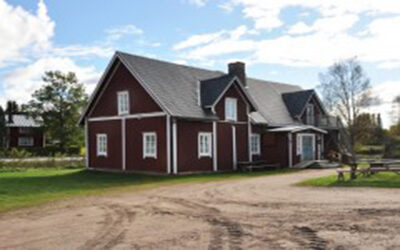
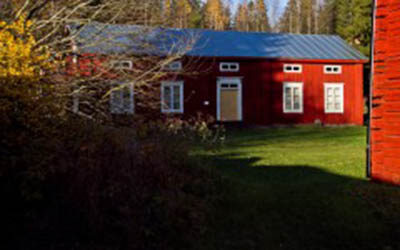
The idyllic courtyard milieu of the Klemets Houses is in many ways unique. No other group of houses built in a similar way has survived in the county. Here can as well be found a versatile selection of exhibitions, such as a textile exhibition, a harmonium museum, a motorcycle exhibition and everyday items associated with peasant life. The atmosphere of the early 20th century can also be sensed in the café, which has been elegantly furnished with 1940s functionalism style furniture.
The idyllic courtyard milieu of the Klemets Houses is unique in a number of ways. No other group of houses built in a similar way has survived in the country. Here can as well be found a versatile selection of exhibitions, such as a textile exhibition, a harmonium museum, a Sunday school museum and everyday items associated with peasant life. The atmosphere of the early 20th century can also be sensed in the café, which has been elegantly furnished with 1940s functionalism style furniture.
-
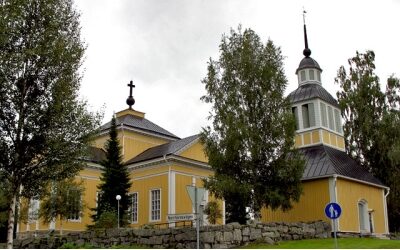
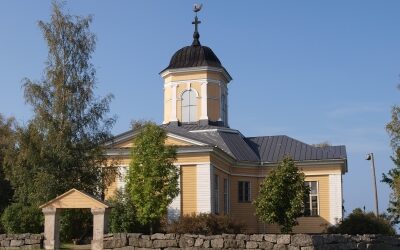
The church of Maxmo, located in the church village of Maxmo, was built in 1825. The bell tower is part of an older church dating back to the 18th century, which previously stood on the site.
-
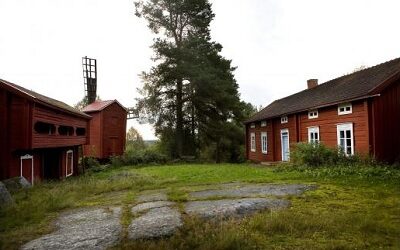
In the Myrbergsgården museum the visitor can get acquainted with the peasant way of life in the old times as well as with one of the finest garment and textile collections in the municipality. In one of the houses across the yard can be seen a unique gathering of beautifully painted church sleighs, which the people of the house used in order to get to the church on Sundays.
The Myrbergsgården museum area in Vörå nowadays consists of around 17 buildings, which have been relocated on the region from different villages in Vörå. In addition to the agrarian house here can be found for instance a functioning smithy and a windmill. To the museum also belongs a loan grain magazine from the year 1753, which is among the three first ones in Ostrobothnia.
The museum’s textile collection is one of the finest in the municipality and it comprises of approximately 6 000 various textiles.
-
Nature trails and hiking routs in the Vaasa Region
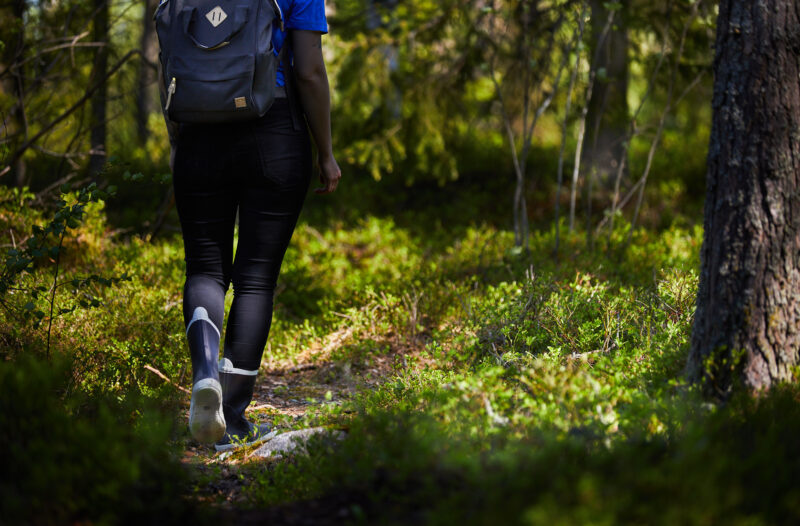
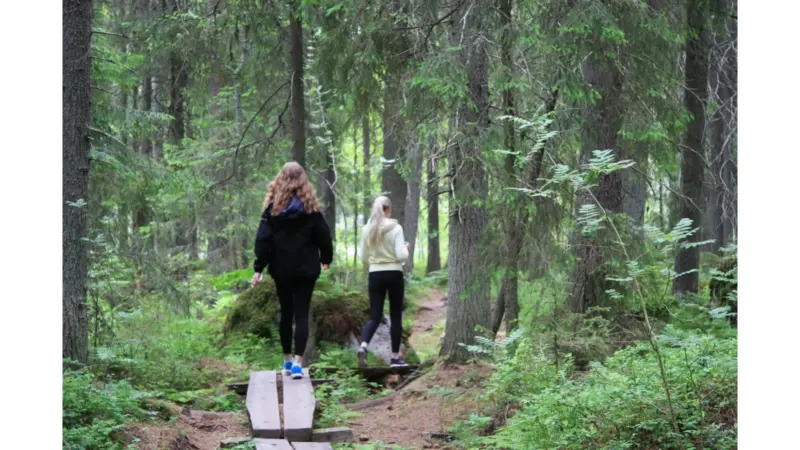
There are many nature trails and hiking routs in the Vasa region. There are paths and routes of different lengths, so everyone will surely find a nice route to hike!
-
The church of Oravais was built in 1796–1797. The church plans were based on the initiative of the renowned church builder Jacob Rijf from Nykarleby. The church was last renovated in 1961–1962, and the interior painting was renewed in 1992. The organ, built by B.A. Thulén, was taken into use in September 1879.
-
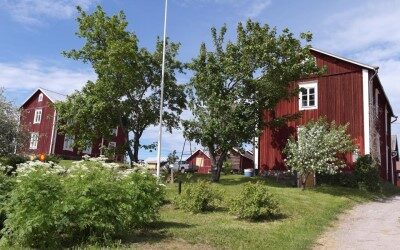
On the Rejpelt Fädernegården the visitor gets an idea about country life at the end of the 19th century. The cabin’s interior, which is typical for the period, offers the framework for exploring local historical items. The girls’ barn with its colourful textiles is also truly worth a visit. In the proximity of the museum is the Munter’s soldier cottage, which is connected to The Tales of Ensign Ståhl.
Fädernegården is a typical Ostrobothnian double cabin, built in 1852. The house was relocated on the area in the 1950s and the museum area has been constructed on the model of a peasant house with its lofts and barns. All of the museum’s buildings originate from Rejpelt, except for the windmill, which has been transferred from Korsnäs.
-
The gems of the archipelago

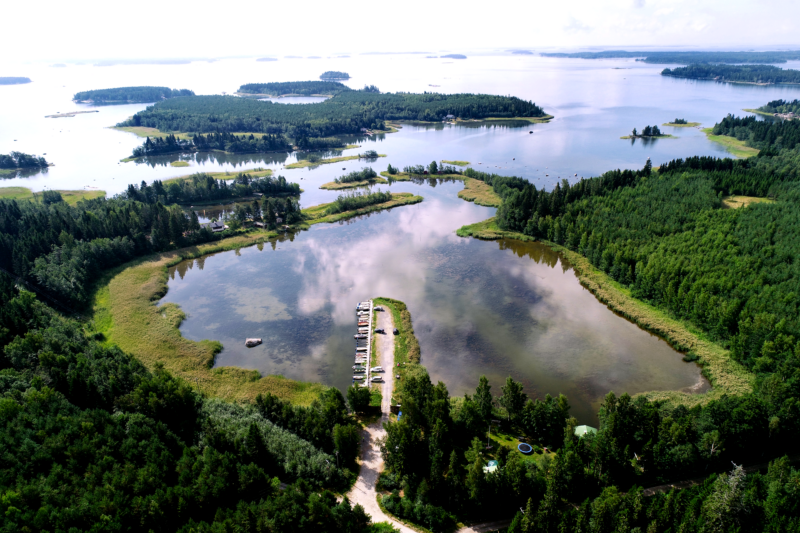
One of the Kvarken’s specialties is definitely the De Geer moraines, or washboard moraines, that form clear streaks in the scenery. You can see these formations best from the observation tower Saltkaret or along the Bodvattnet nature trail.
Is it difficult to choose which place to visit in the Kvarken? Here is some tips of the archipelago’s gems for you!
-
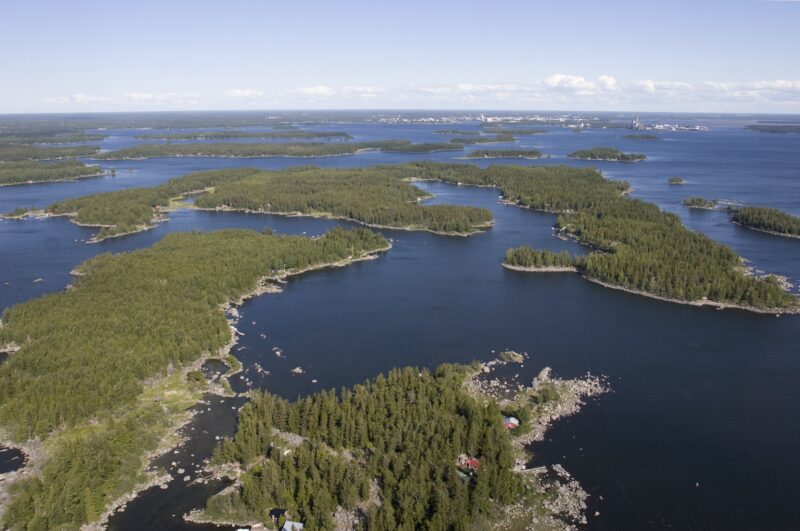
The unique Kvarken Archipelago is Finland’s only Natural World Heritage Site on the UNESCO World Heritage List. Together with Sweden’s High Coast, the Kvarken Archipelago is the best place in the world to experience and understand the land uplift phenomenon caused by the last Ice Age.

Vaasa Region Tourism Ltd.
Tourist information
Visit Vaasa’s office
Vaasanpuistikko 12, Vaasa
Open Mon-Fri: 10 am to 3 pm
Special hours:
24.-25.12.2026 closed
+358 40 123 8977 |
visit.vaasa@visitvaasa.fi