
All attractions
There’s plenty to see in the Vaasa region! Discover the region’s attractions, places to visit and unique locations – from the vibrant city to peaceful countryside landscapes and the Kvarken Archipelago. Find your favourites and start exploring the Vaasa region!
-
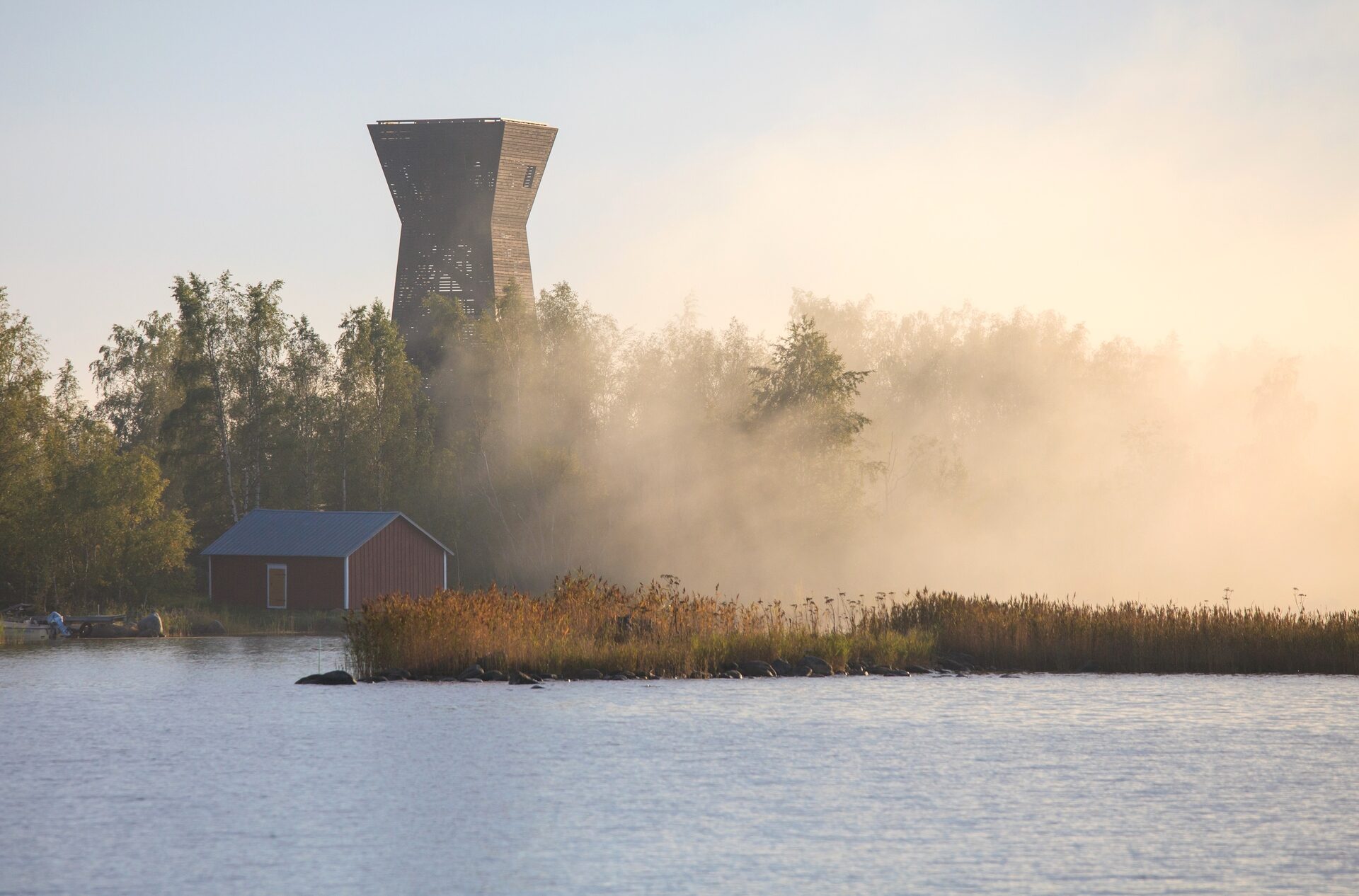
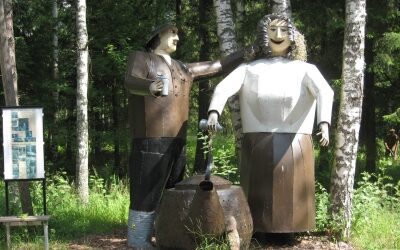
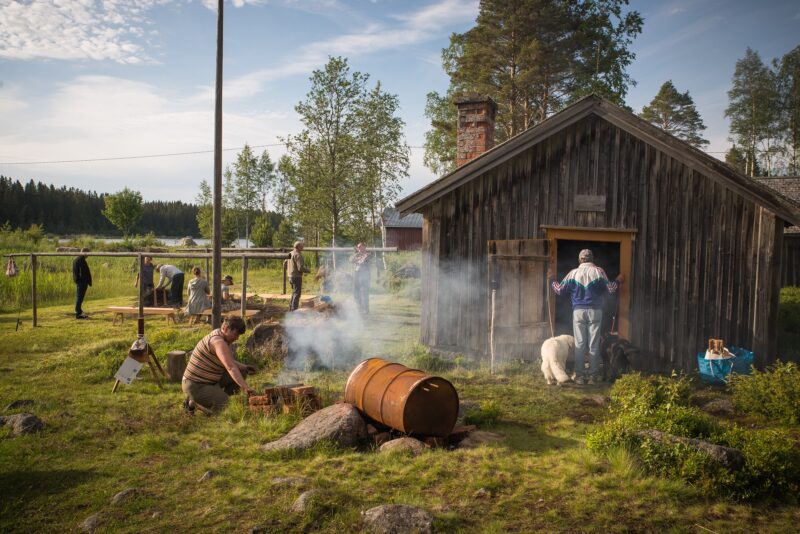
History and culture in the form of Edvin Hevonkoski’s wooden and metal sculptures, in the middle of the nature along the nature trail in Asevelikylä. At the moment there are over 100 named works of art or groups of works of art. The Korsu Museum consists of a crew bunker filled with wartime objects, the maintenance bunker Töpinä and a smoke sauna, all authentic from World War II.
-
Explore Korsholm Castel in the 1390s through AR

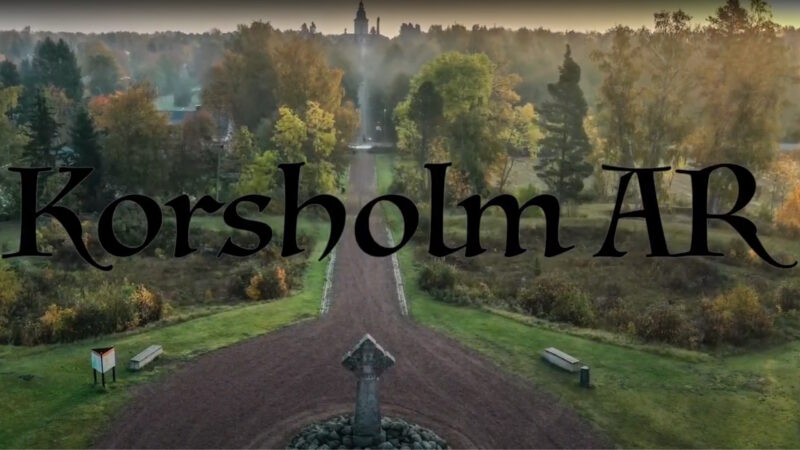
Explore Korsholm Castel, in Old Vaasa, in the 1390s through an Augmented Reality experience. Experience the place, as it is likely to have looked over 600 years ago.
The app takes you on a tour around the castle mound.
- You will be able to see several different scenes by activating the 12 Points of Interest in the app.
- When you get close enough to a marked point the scenes and stories are activated.
Download the app: KORSHOLM AR in Google Play or App Store
-
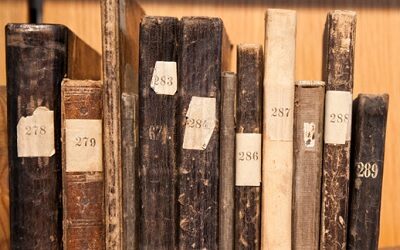
Finland’s first library was established in Vaasa already in 1794. The Library Museum provides a versatile picture of the history of the library with the help of artefacts, books and pictures. Historical book collections share the space with the museum’s alternating exhibitions.
The roots of Finland’s first library are in the Waasa Reading Library (Waasan Lukukirjasto), which was established by some members of the Vaasa court of appeal in 1794 for “their own amusement and to pass the time”. Other citizens were also allowed to use the library for a small fee. The library had a wide collection of books and maps as well as portraits and copper drawings. It is not likely, that the art items were lent, but the beginning of an art rental shop of a sorts was, however, there. The Reading Library operated until 1845, when the censorship regulations of the Russian rule forced it to close its doors. There are 30 works in the museum today, which remain from the original Reading Library.
After the Reading Library closed down the citizens of Vaasa were left without a library for five years. Lecturer Oskar Rancken stepped up, and the new library operated until the beginning of the 20th century. In the attic of the Palosaari library was discovered in the 1930s a collection of preserved tomes from the library in question. The tomes were bound in black leather backs, and therefore the collection has received the nickname “The Black Library”.
-
Step inside the Youth Association Museum. In the Youth Association Museum the visitor can get acquainted with the exciting and eventful history of our organization spanning 135 years. How did we become us? We have gathered a basic collection around thematic entities, that each recount our history.
-
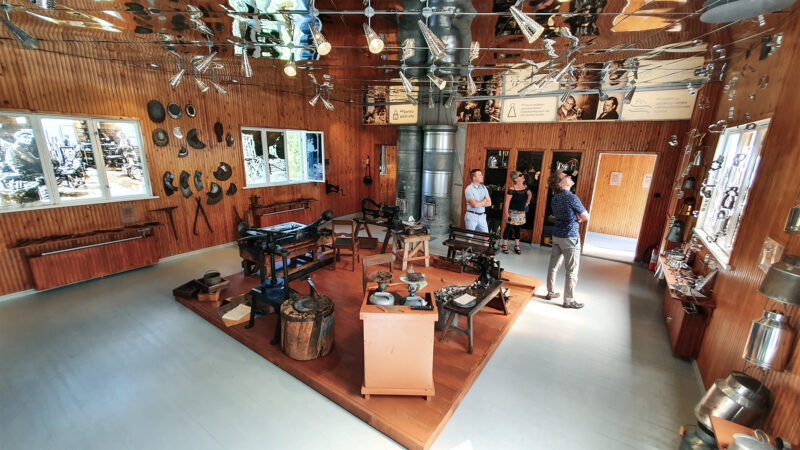
Dive into the tinplate craftsmanship tradition alive in the cultural area of Kirkonmäki in Vähäkyrö and experience the authentic atmosphere of the carefully renewed museum. The exhibition showcases a unique craft tradition from the 18th century to the present day and demonstrates how tin objects are made using traditional tools. The museum features nearly 200 different items as well as tools over a hundred years old. If you’re lucky, you may also see a real tinsmith at work on site.
-
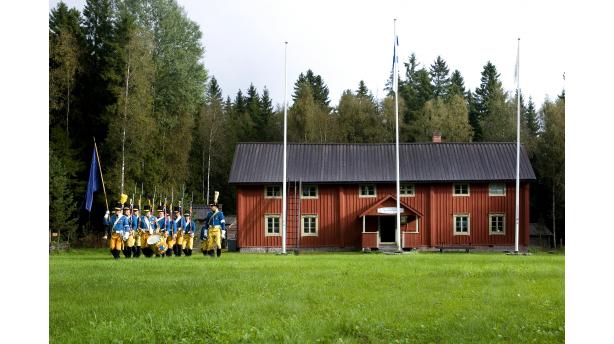
Fänrik Stål’s center includes the area at the historic site of the Battle of Oravais. Here, the war of 1808-1809 is highlighted through both objects, stories, the place and the buildings. The regiment’s exercises and displays bring history to life in period uniforms and weapons.
-
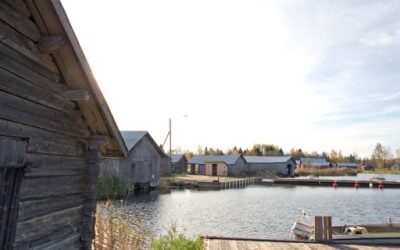
The Granösund Fiskeläge (Fishing Village Museum) provides a view of life in the coastal region of Ostrobothnia, in the days when the majority of the population still depended upon fishing, seal hunting, farming and handicraft for its livelyhood.
-
Harrström old fishing harbour, a Place full of life back in the days. Close to the harbour, there is a small museum about how fisherman’s families lived in the turn of the century 1800-1900 and the harbour offers a beautiful view to admire.
-
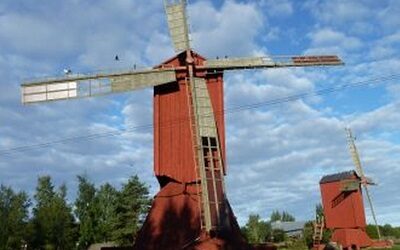
Two windmills stand on the Kvarnbacken hill as monuments to past centuries and bygone peasant community. Storkvarnen, the big mill, is one of the largest windmills in Finland.
Storkvarnen, the big mill, was built in the 1840s, and it still stands on its original site by the sea and its fresh winds. The mill was built by Isak, Karl and Johan Ingels. The wings of the mill are 19,5 metres long and the mill stretches up to 22 metres measured from the ground to the upper tip of the wing. Storkvarnen is the largest functioning mill in Finland. The smaller mill of Kvarnbacken was built at the end of the 19th century. The mills have been restored, and they both function. There were originally five mills on the hill and twelve minor mills in the whole village. The mills of Kvarnbacken are activated every year during the summer festivities, and they grind flour.
-
Harrströms old stone bridge
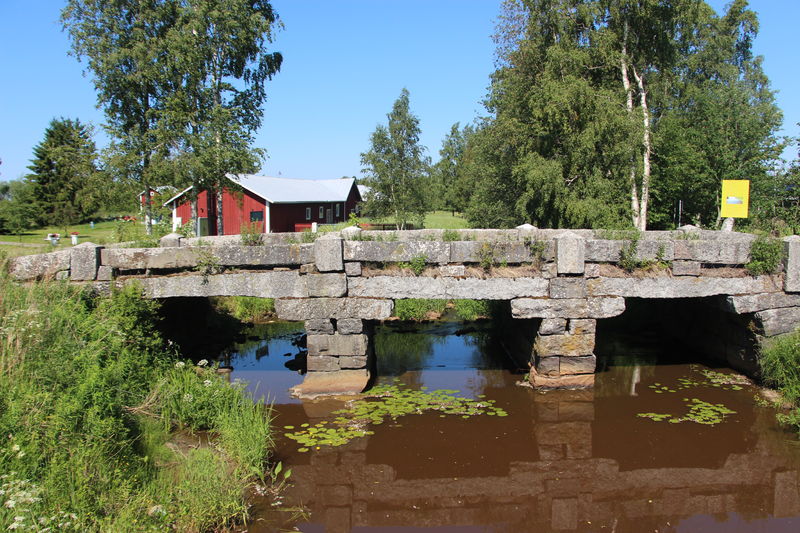
The Harrström stone bridge (known as Åback Bridge until 1983) is a stone museum bridge located in the village of Harrström in Korsnäs. The bridge was completed in 1898. It is a beam bridge constructed from granite blocks. The bridge has three spans and crosses the small river Harvungån. In 1982, the bridge was designated as a museum bridge.
The Harrström bridge is built using the so-called dry-stone technique. The rectangular hewn stones are fitted together without mortar. The bridge has no metal clamps or other structural elements binding the stones together. The length of the bridge deck is 14.6 metres and its total length is 26.4 metres. Its usable width is 4.7 metres and its total width is 5.7 metres. The largest opening of the bridge is 3.7 metres, its longest span is 4 metres, and the clearance under the bridge is 1.5 metres.
The bridge site is part of the historic Ostrobothnian coastal road. In 1983, a new Åback Bridge was built next to the old stone bridge, after which the old bridge received its current name and became a pedestrian and bicycle bridge.
-
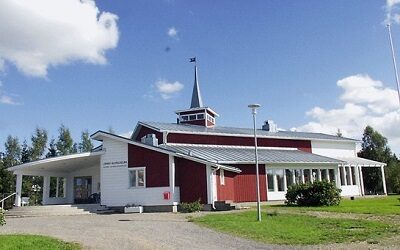
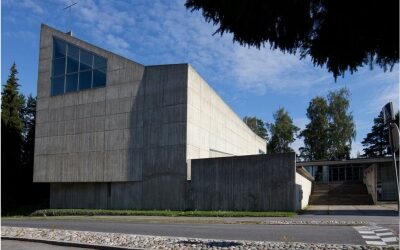
The church, completed in 1964, was designed by Professor Aarno Ruusuvuori. The materials used include concrete and Leca brick. The altar table and baptismal font are made of Sicilian marble, while the pews are made of Romanian oak. Behind the altar table stands a simple iron cross. The pulpit is cast in concrete. The organ, built by the Kangasala Organ Factory, has 20 stops. The three church bells were made in Germany.
-
Hägglund’s Photography Museum was inaugurated in 2000, and it is founded upon photographer Erik Hägglund’s studio. The wide collection of cameras and the studio’s equipment illustrate the history of photography from the 1910s to the present day.
Erik Hägglund from Rökiö was interested in art already at an early age, and he travelled to Sweden to work as the apprentice of a painter. There he was employed in a studio and his interest in photography was aroused. When he returned to his home region, he established a modest studio in a stave shed in 1910. He constructed his first atelier camera himself and also painted the shooting background himself. Those are both displayed in the replica of the workshop built inside the museum.

Vaasa Region Tourism Ltd.
Tourist information
Visit Vaasa’s office
Vaasanpuistikko 12, Vaasa
Open Mon-Fri: 10 am to 3 pm
Special hours:
24.-25.12.2026 closed
+358 40 123 8977 |
visit.vaasa@visitvaasa.fi