
All attractions
There’s plenty to see in the Vaasa region! Discover the region’s attractions, places to visit and unique locations – from the vibrant city to peaceful countryside landscapes and the Kvarken Archipelago. Find your favourites and start exploring the Vaasa region!
-
A heartfelt farm in Raippaluoto, UNESCO World Heritage Site
With us, you can visit the farm year-round, participate in animal care, or enjoy a cup of coffee in a countryside setting.
For couples and groups of friends, we recommend a memorable alpaca and llama hike in the tranquility of nature. For families with children, we offer group animal care evenings or guided farm tours.
Our farm is home to a total of 14 different animal species, so there is definitely a favorite for everyone, regardless of age.
-
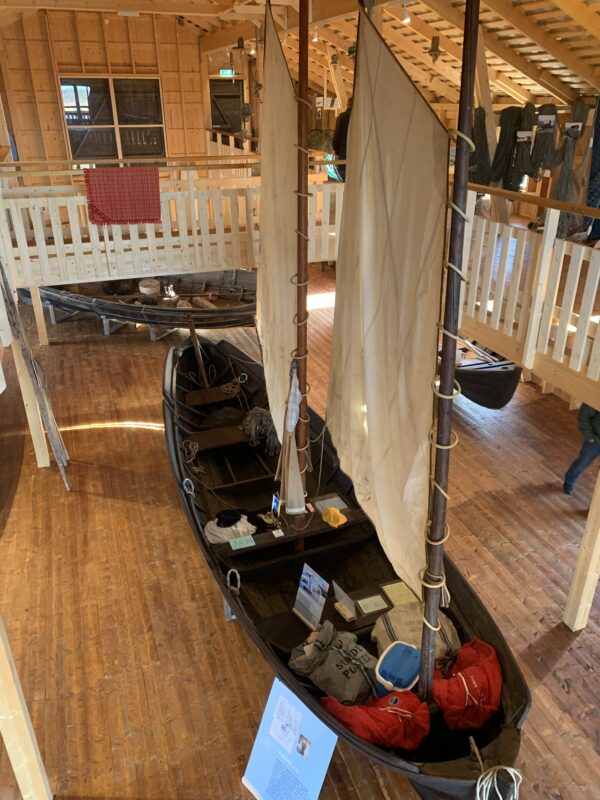
In the newly built boat museum at Svedjehamn, you can learn more about clinker boats, seal hunting, and different types of fishing methods and hear touching stories about life in the archipelago. The museum is open during the summer months (June-August).
Please get in contact by e-mail for group bookings.
-
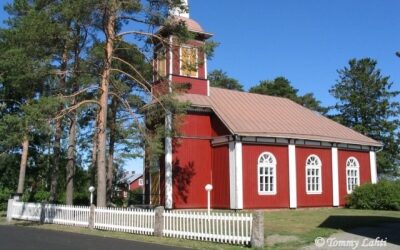
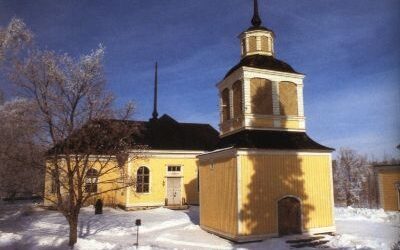
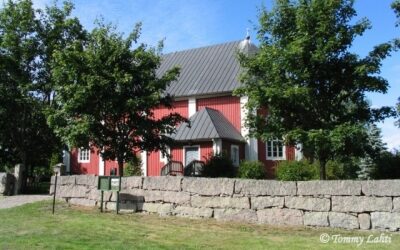
Björkö village church was built in 1859 and was named Maria, after the wife of Alexander II. The gallery was built in 1907, and the first organ was purchased a couple of years later. Before the village had its own church, the bible study cottage was used as a chapel.
-
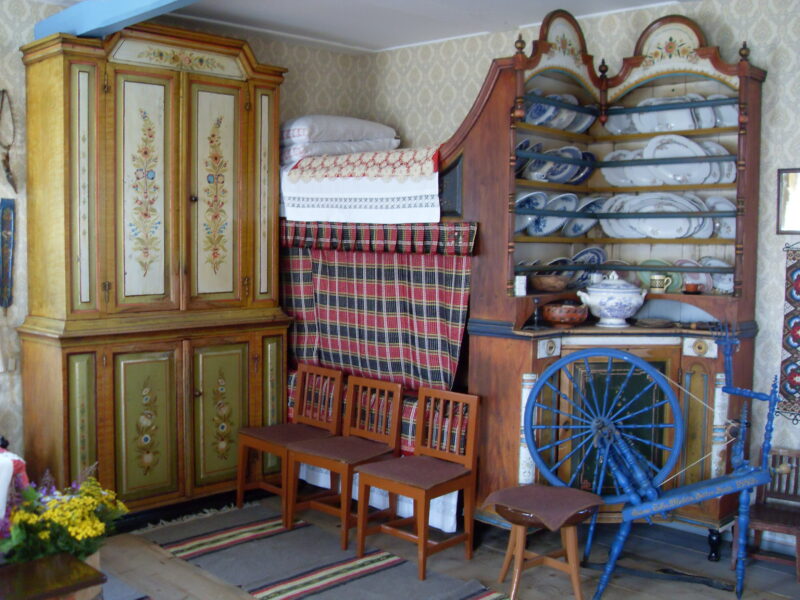
Mortes was built in 1844 and today houses a museum. When visiting Mortes, you will be able to see some of the oldest Björkö-cupboards decorated with ornate floral motifs, the first village radio, and old textiles, but also more modern items that represent how this home has changed with time.
The museum area also contains the Motor Museum, the Soldier’s Cabin, and the Carding and Spinning Mill, as well as our exhibitions about the Defence Corps, the School in Björkö, and 19th century clothing. People have already visited this house for decades, as its previous owner Emil Doktar was a famous bonesetter and adventurous jack-of-all-trades. To hear more about him, his family and Björkö life in general, do pay us a visit!
The museum is open during the summer season.
-
You can find information on all outdoor recreation destinations, trails and services throughout Finland on the Luontoon service.
-
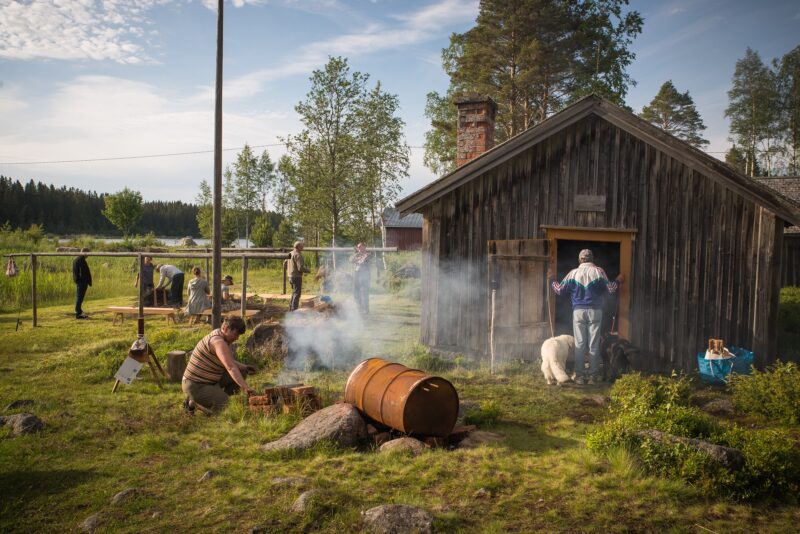
The Granösund Fiskeläge (Fishing Village Museum) provides a view of life in the coastal region of Ostrobothnia, in the days when the majority of the population still depended upon fishing, seal hunting, farming and handicraft for its livelyhood.
-
A Microbrewery located in the Kvarken World Heritage area, on the Replot-Island, Klobbskat harbour.
Started in 2017 with a simple vision of creating tasty beer with the clean water found in our World-Heritage “approved” archipelago. At end of 2018 we have created 6 base beers and 3 seasonals. Welcome to try a refreshing experience, hidden inside the bottle.
Why not come and try our beers in our Gastropub & pizzeria in Replot village in the Kvarken Archipelago.
Read more about the Gastropub here. -
The church was built between 1691 and 1693, with the master builder being the farmer Hans Larsson Qweflander from Koivulahti. The main log construction work was likely carried out in 1692. The church was consecrated on the fourth day of Christmas that same year.
Koivulahti Church, with its octagonal nave, represents an art-historically unique type of church and is the oldest example of this building type in Finland. When the church was converted into a cruciform (cross-shaped) church during an expansion in 1794–1795, it almost completely lost its original appearance.
-
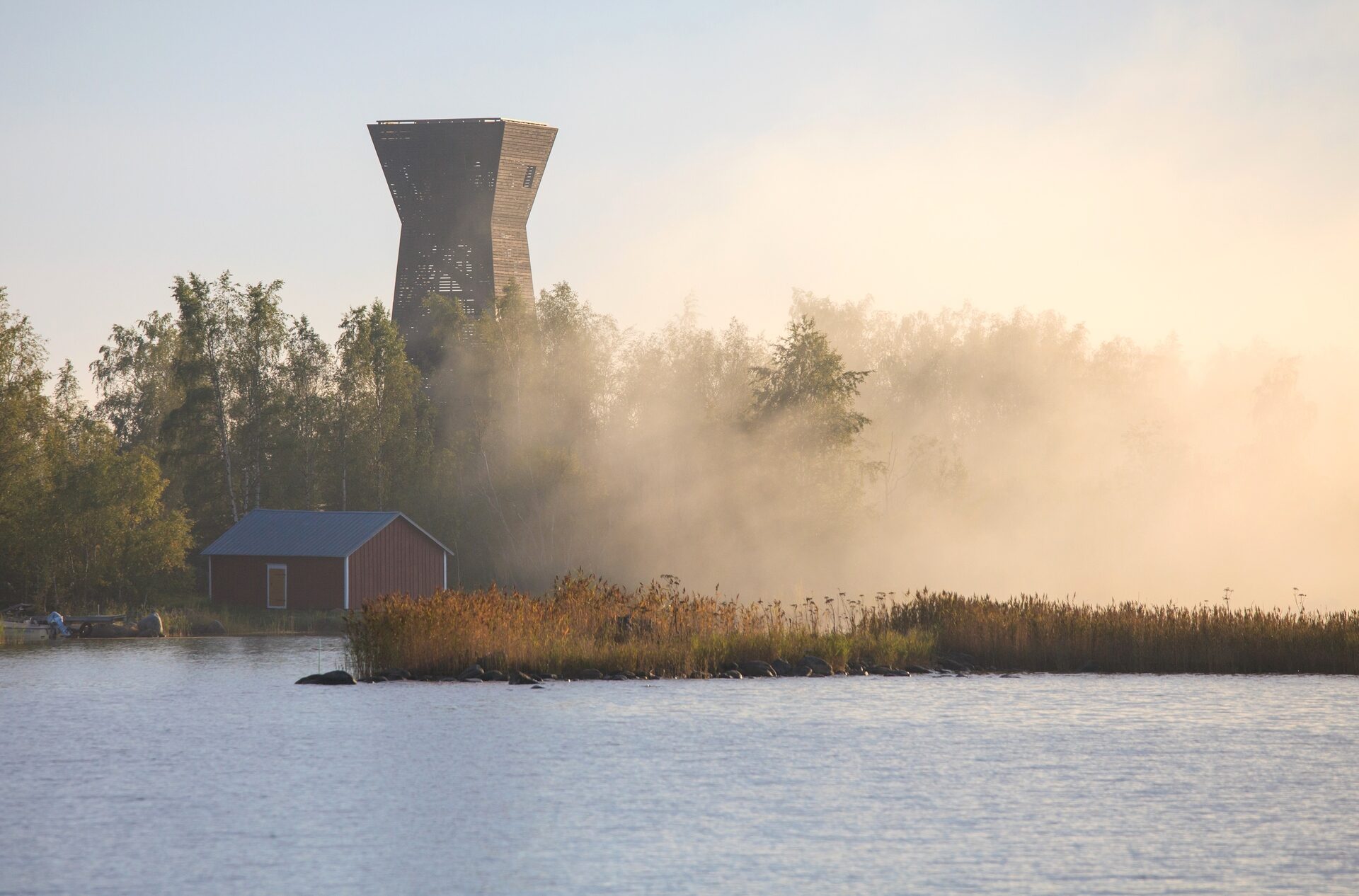
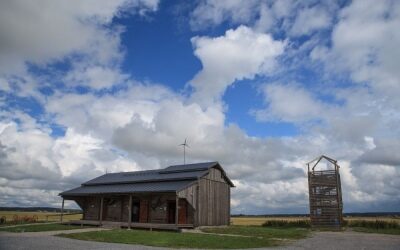
Meteoria Söderfjärden is a unique visiting centre in the middle of the most beautiful meteorite crater in Finland
- An advanced exhibition telling a long story of at least 520 million years of Söderfjärden – from an impact crater to the agricultural and Natura 2000 area of today
- A well-equipped astronomical observatory with a telescope for studies of celestial bodies millions of light years out into the universe
- A bird-watching tower in the middle of the most important resting area for cranes in Finland
- A cafeteria in an old treshing barn
- A model of our solar system, a model of the crater an a timeline of earths history: TellusTimeLine
- An energy cellar – own production of renewable energy: solar and wind
- An exhibition with unique meteorites and an exhibition with old farming machinery
The exhibition is open for individuals and small groups during the opening hours. An exhibition tour on other hours than the usual opening hours, can easily be arranged for bigger groups simply by booking online.
A certified crater guide is always present on normal opening hours and other hours, if booked in advance.
The bird watching tower and the exhibition outside the building is available free of charge, every hour of the day and every day of the year.
-
Nature trails and hiking routs in the Vaasa Region
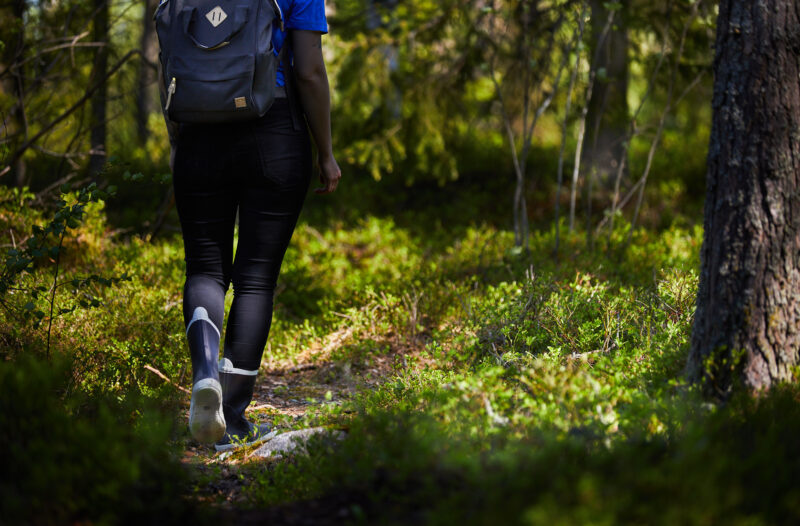
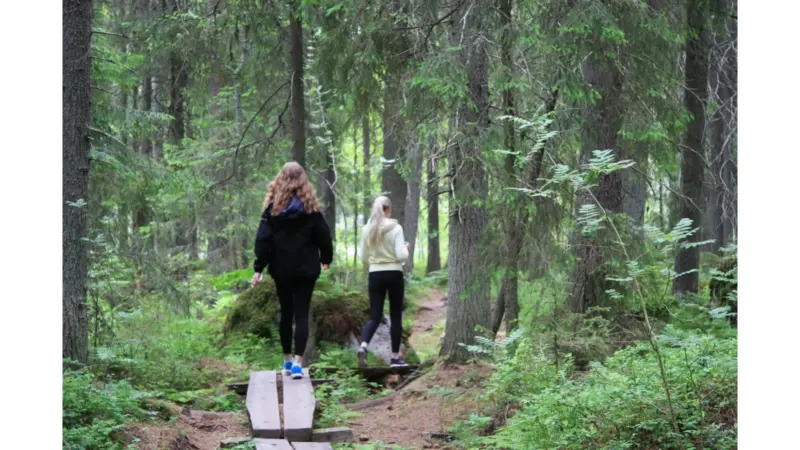
There are many nature trails and hiking routs in the Vasa region. There are paths and routes of different lengths, so everyone will surely find a nice route to hike!
-
Replot bridge

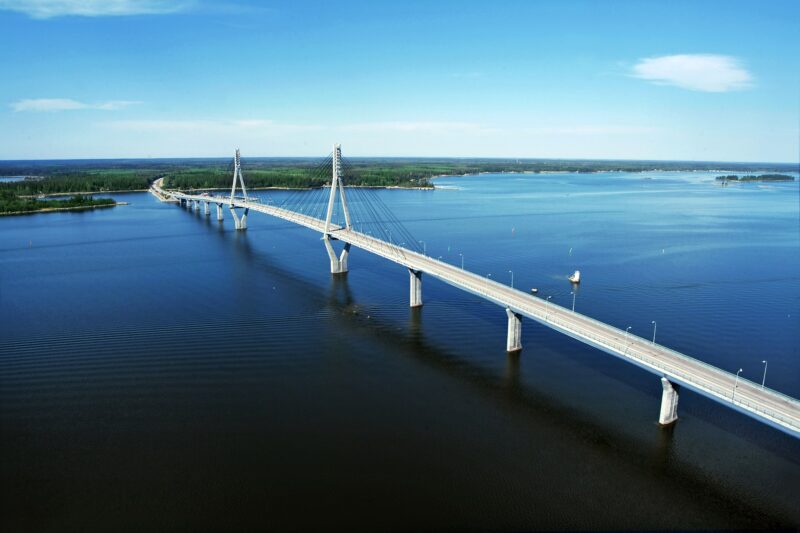
Let the Replot bridge lead you to the northern part of the Kvarken Archipelago World Heritage area!
The bridge is 1045 metres long which makes it the longest bridge in Finland. By the bridge, park your car at the parking area by the Restaurant and Café Berny’s, walk up to the bridge and take in the scenery. Visit also the World Heritage Gateway in the same premises with the restaurant. There you can get tips for your trip to the archipelago.
The bridge opened in 1997 and Martti Ahtisaari and Ólafur Ragnar Grimsson, the previous presidents of Finland and Iceland, attended the opening on the 27th of August. The bridge replaced ferries and thousands of people cross the bridge every day. The pylons rise 82,5 meters above sea level and the clearance height for boats is 26 meters.
Photo: Esa Siltaloppi/ES Visuals
-
The Gustav Adolf Church in Replot village was built in 1781 and stands on the hill called Skieppskatts-backen. The church was built as a so called long church with a steep roof. In the 1840s, the church received its altar construction and pulpit from the Sankta Maria church in Old Vasa, and so were saved from the great fire of 1852.

Vaasa Region Tourism Ltd.
Tourist information
Visit Vaasa’s office
Vaasanpuistikko 12, Vaasa
Open Mon-Fri: 10 am to 3 pm
Special hours:
24.-25.12.2026 closed
+358 40 123 8977 |
visit.vaasa@visitvaasa.fi