
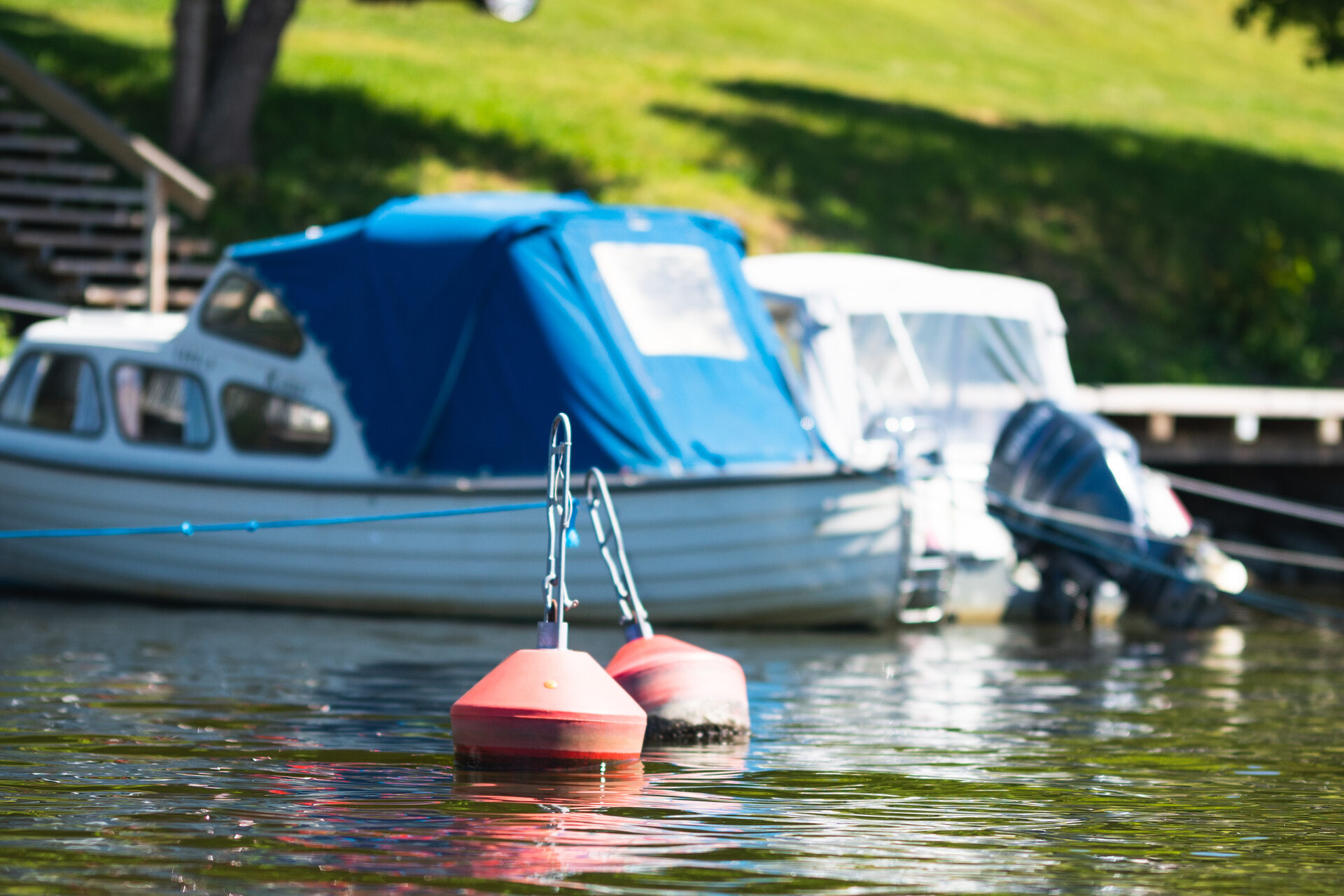
Vaasa is a maritime, international and vibrant city on the coast of Ostrobothnia. From this page you will find basic information about Vaasa, everyday mobility, languages, decision-making, as well as the city’s history and multicultural life.
From this page you will get an overall picture of Vaasa and what everyday life in the city is like. You can learn about key services, languages and transport, and about how you can participate and influence city matters.


Basic information
Vaasa is the centre of the Ostrobothnia region and is located on the coast of the Gulf of Bothnia. In front of the city is the Kvarken archipelago, which is Finland’s only UNESCO natural World Heritage site.
Vaasa is an international and multilingual city. There are about 120 nationalities and nearly 100 native languages in Vaasa. Vaasa has about 71,200 inhabitants (at the end of 2025), of which about 62% are Finnish speakers, about 23% are Swedish speakers and about 15% belong to other language groups. Together with neighbouring municipalities, the Vaasa region has a population of about 112,000–113,000 inhabitants.
Vaasa is also a student city. The city has six higher education institutions, with a total of about 14,300 higher education students. Approximately 4,000 students study in vocational education.
The Vaasa region is one of the most important energy technology clusters in the Nordic countries. Many energy-sector companies operate in the area. For this reason Vaasa is often called the energy capital.
You can read more about Vaasa and its services, for example, on the Visit Vaasa and EnergyVaasa websites.
See and experience Vaasa (Visit Vaasa) linkki puuttuu
EnergyVaasa (linkki puuttuu)
Languages in Vaasa
Vaasa is a bilingual city. In Finland the official languages are Finnish and Swedish, and in Vaasa you hear and use both languages in everyday life.
Language skills are very useful in working life. If you study Finnish or Swedish, it will be easier to find work, study and use various services. In many service professions both Finnish and Swedish are needed.
Read more about languages, language courses and language certificates on the page Learn Finnish or Swedish.
Transport in Vaasa
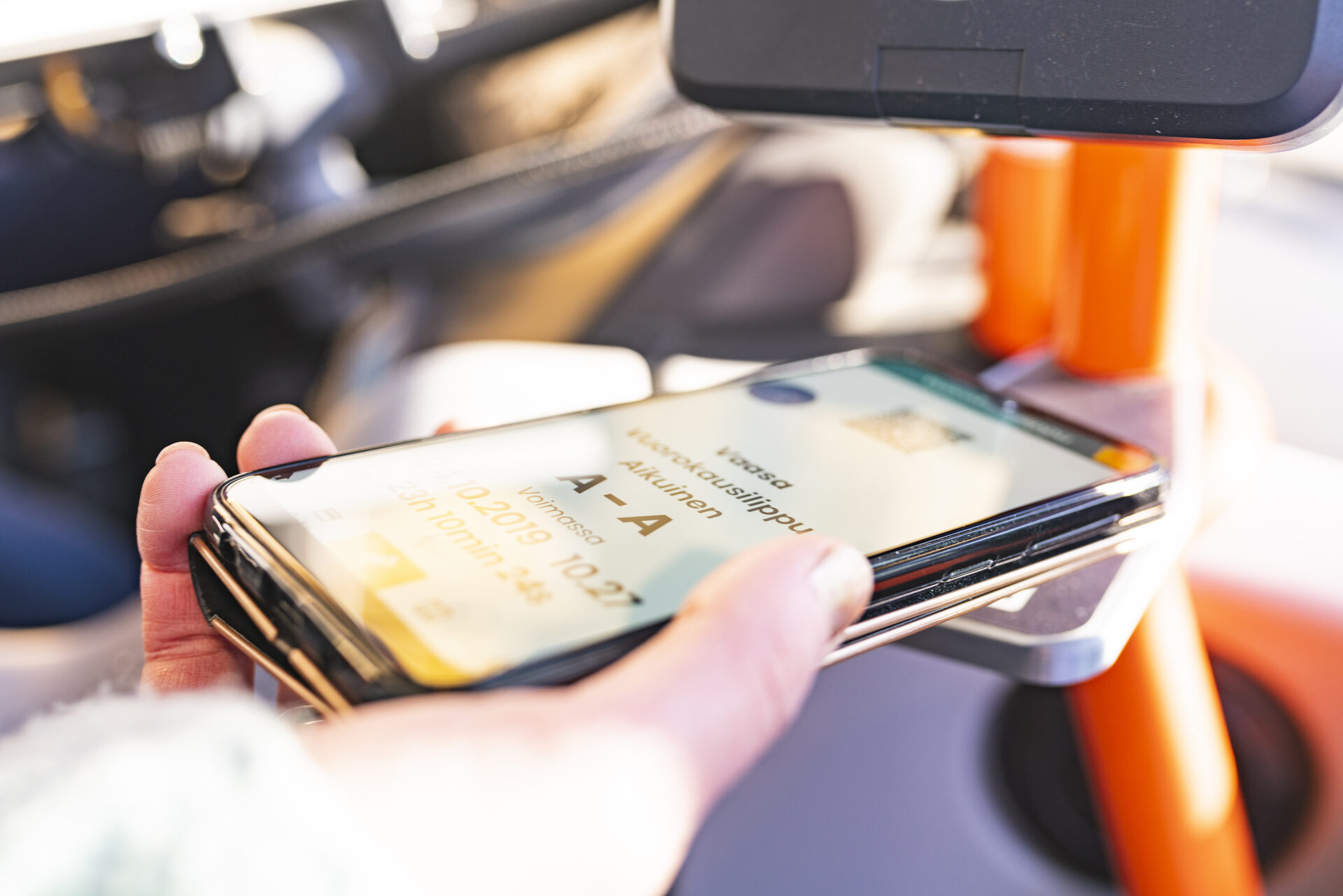
It is easy to get around the Vaasa area by bus. From this page you will get basic information about local buses, tickets and routes. You can also move directly to services where you will find up-to-date information.
Local buses
A local bus is an easy and affordable way to get around Vaasa. Buses take you to the city centre, residential areas and nearby areas. You can plan your journey in advance and check timetables online.
Read general information about traffic in Finland.
Public transport in Vaasa
Here you will find the most important information for travelling by bus:
- See Vaasa public transport timetables and routes
- Buy a bus ticket with contactless payment linkki puuttuu
- Tickets and prices linkki puuttuu
- Contact details and sales points linkki puuttuu
- Mobile ticket (linkki puuttuu)
You can also use the route planner, which shows you a suitable bus route and travel time.
- Go to the Digitransit route planner
Cycling and walking
In Vaasa you can also easily get around by bike and on foot. Distances are short and there are many routes.
Vaasa is a good cycling city. Most residents live less than 5 kilometres from the centre. Therefore many everyday journeys can be made by bike or on foot.
The city has many cycle paths, and moving around is safe and smooth. You can use a bicycle for commuting, errands or leisure.
You can plan a cycling route in advance using a map. The map shows different routes and you can choose one suitable for you.
- See the Vaasa cycling map (only in finnish or in swedish)
- Cycle in Vaasa.
- Rent a bike.
Train, air and ferry transport
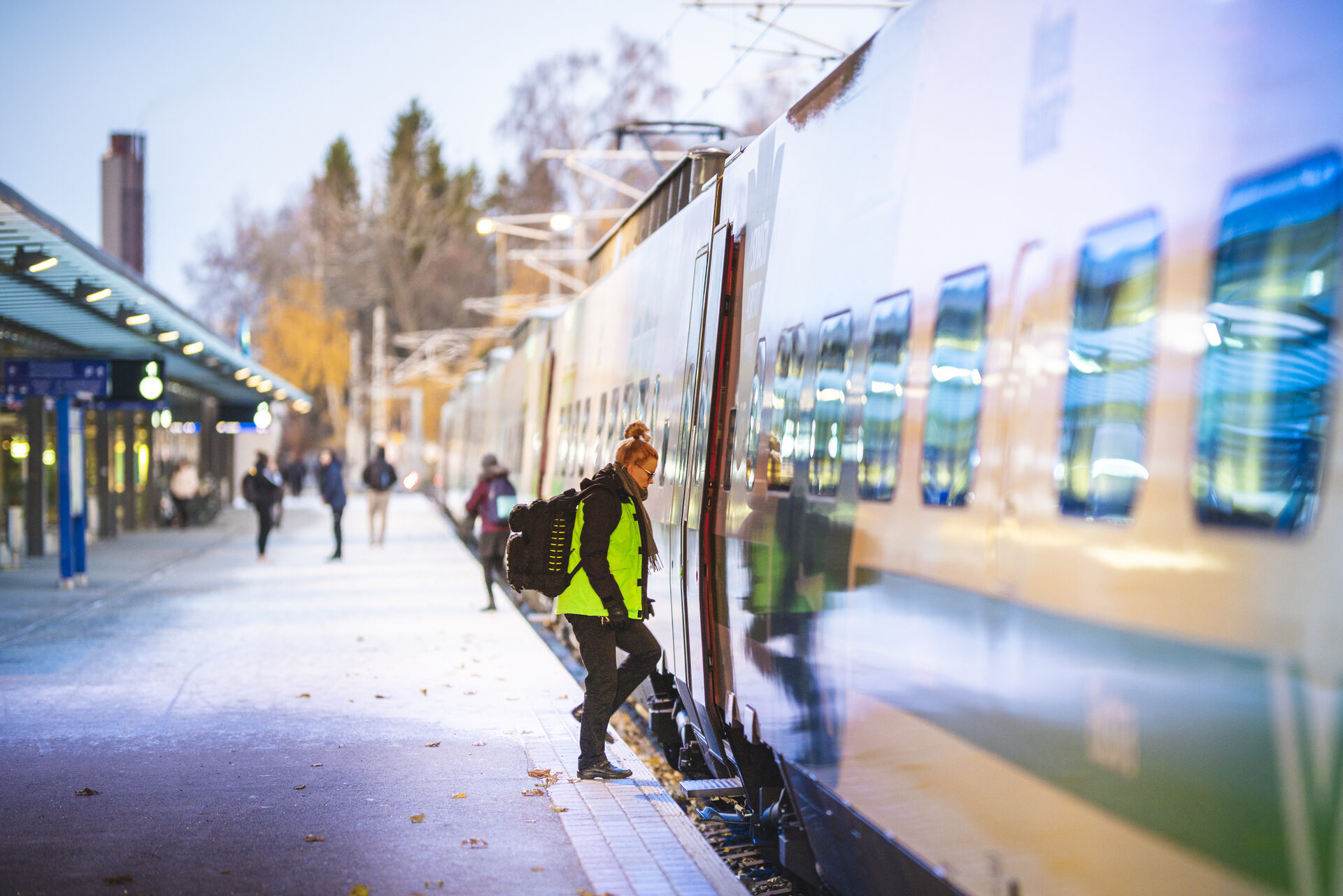
It is easy to reach Vaasa by train, plane or ferry. All important connections are close to the city centre.
You can travel to Vaasa from different parts of Finland and from abroad.
The railway station is located right in the city centre. By train you can easily get to Seinäjoki, Tampere and Helsinki.
The airport is about a 10-minute journey from the centre. There are flights to several destinations.
There is also a daily ferry from Vaasa to Umeå in Sweden.
Timetables and tickets
You can check timetables and buy tickets from these services:
- See train timetables on VR’s website
- See flight information on Vaasa Airport’s page (Finavia)
- See coach timetables on Matkahuolto’s site
- See ferry timetables on Wasaline’s site
Arriving in Vaasa
More information about different travel modes and getting around the city:
- See instructions for arriving in Vaasa and getting around (linkki puuttuu)
Decision-making and participation
In Vaasa you can influence city matters in many ways. You can vote in elections, give feedback and participate in activities.
The City Council decides on the most important matters of the City of Vaasa. The council has 55 members, and the people of Vaasa elect them in municipal elections every four years.
The council elects the City Board. The City Board leads the city’s operations and prepares matters for decision by the council.
The Mayor is responsible for the city’s administration and finances together with the City Board.
There are also committees and boards in the city. They are responsible for different services, such as education and transport.
You can also influence the city’s matters through other groups:
- the Youth Council represents young people
- the Disability Council represents people with disabilities
How you can influence
You can influence city matters in everyday life in many ways:
- give feedback on city services
- respond to surveys and resident questionnaires
- make an initiative if you want to propose a change
- participate in events and resident meetings
How to contact decision-makers
You can contact decision-makers if you have a question or an opinion:
- find the contact details of councillors and other decision-makers on the city’s website
- send an email or call
- you can also attend open events and discuss directly
Voting rights in municipal elections
You can vote in municipal elections if you have a municipality of residence in Finland.
You can vote if:
- you are a citizen of Finland, an EU country, Iceland or Norway and you have a municipality of residence in Finland
- you are a citizen of another country and have lived in Finland for at least two years
In addition, you must be living in Vaasa before election day.
Municipal elections are held every four years.
See the date of the next municipal elections on the elections page.
More information
- Explore the City of Vaasa organisation, the management team and decision-making
- Read more about the City Council’s activities
- See how you can take part and influence in Vaasa
Religion
There are many different religious communities in Vaasa. You can participate in activities and find information about your own religion.
People from different cultures and religions live in Vaasa. In the city you can practise your own religion and participate in community activities.
Religious communities organise, for example, services, celebrations and other activities.
Religious communities in Vaasa
You can explore different communities and find more information on these pages:
- Find religious communities on the Religions in Finland service
→ The service provides information about different religions and communities across Finland. - Explore the Evangelical Lutheran parishes on the Vaasa parish union site
→ The parishes organise services, events and support in everyday life. - Read about the Vaasa Orthodox parish (VaasaOrt)
→ The Orthodox parish organises church events and community activities. - Learn about the Vaasa Islamic congregation
→ The congregation organises religious activities and community meetings.
More information about religions
Read more about religions and cultures in Finland
→ You will get general information about different religions and their practices.
History
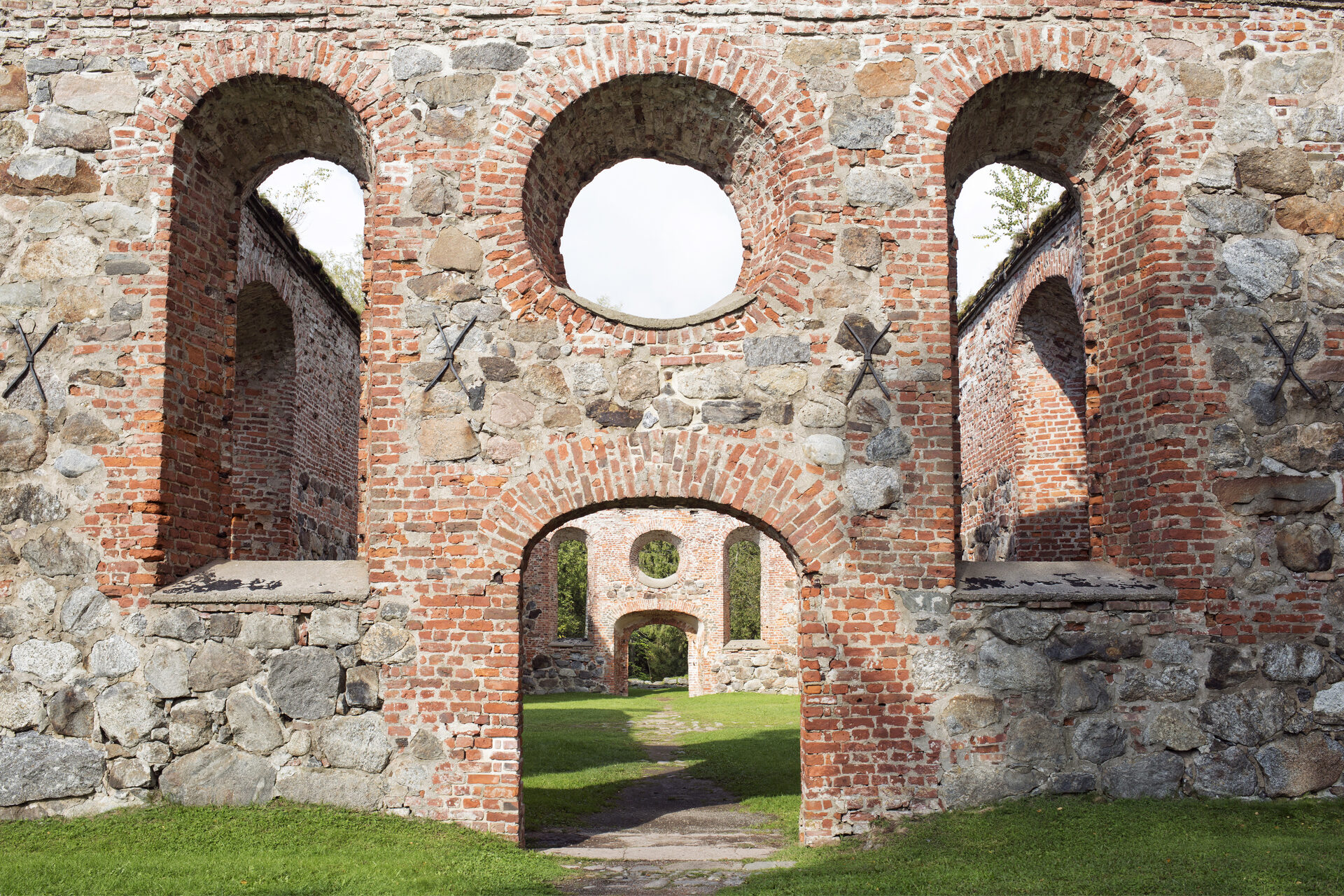
The Vaasa area has a long history. From this page you will get a short and clear picture of the city’s most important phases and you can explore Old Vaasa.
There has been settlement in the Vaasa area since the 14th century.
Finland belonged to the Kingdom of Sweden from the late 13th century until 1809. King Charles IX founded the town of Mustasaari in 1606 in the area of present-day Old Vaasa. The town was named Vaasa in 1611 after the Swedish House of Vasa.
In 1809 Finland became part of Russia as the Grand Duchy of Finland. During this period Vaasa’s name was Nikolaistad (Nikolainkaupunki) from 1855–1917.
Finland became independent in 1917. In 1918 a civil war took place. During the war Vaasa served as the capital for one side, and senate meetings were held in the current town hall.
On Vaasa Market Square there is Finland’s Statue of Liberty. It commemorates Finland’s independence and historical events.
Timeline
Vaasa’s most important events briefly:
- 14th century – settlement in the area
- 1606 – the town of Mustasaari is founded
- 1611 – the name changes to Vaasa
- 1809 – Finland comes under Russian rule
- 1852 – Old Vaasa is destroyed in a fire
- 1917 – Finland becomes independent
- 1918 – Vaasa serves as the capital during the civil war
Old Vaasa
Old Vaasa is the city’s original location. The town was destroyed in a great fire in 1852, after which it was rebuilt at its current location.
You can visit Old Vaasa. The area has ruins, museums and old buildings that tell the city’s history.
- Read more about the history of Old Vaasa (Linkki puuttuu)
→ You will get information about the area’s sights and history.
Guided tours
You can learn about Vaasa’s history on guided tours. The tours tell about the events and important places of Old Vaasa.
See guided tours and dates on Vaasa’s events page or directly from Vaasa‑Mustasaari Guides Association.
How to get to Old Vaasa
Old Vaasa is located a few kilometres from Vaasa city centre.
You can get there, for example, by:
- by bus
- by bike
- on foot
- by car
The route is clear and the area has signposts. You can also search for the route on a map service before you set off.