
All attractions
There’s plenty to see in the Vaasa region! Discover the region’s attractions, places to visit and unique locations – from the vibrant city to peaceful countryside landscapes and the Kvarken Archipelago. Find your favourites and start exploring the Vaasa region!
-
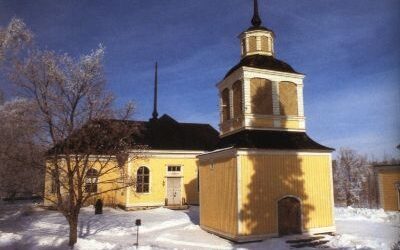
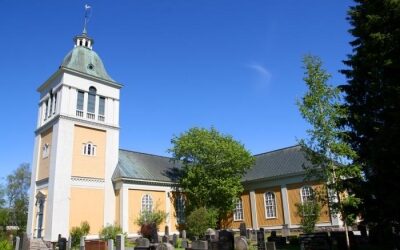
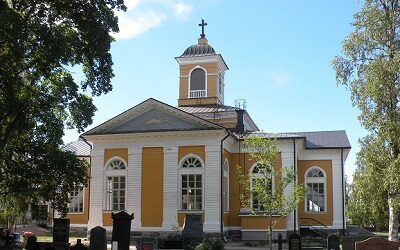
The church was built between 1691 and 1693, with the master builder being the farmer Hans Larsson Qweflander from Koivulahti. The main log construction work was likely carried out in 1692. The church was consecrated on the fourth day of Christmas that same year.
Koivulahti Church, with its octagonal nave, represents an art-historically unique type of church and is the oldest example of this building type in Finland. When the church was converted into a cruciform (cross-shaped) church during an expansion in 1794–1795, it almost completely lost its original appearance.
-
Distillery full of stories, scents and tastes
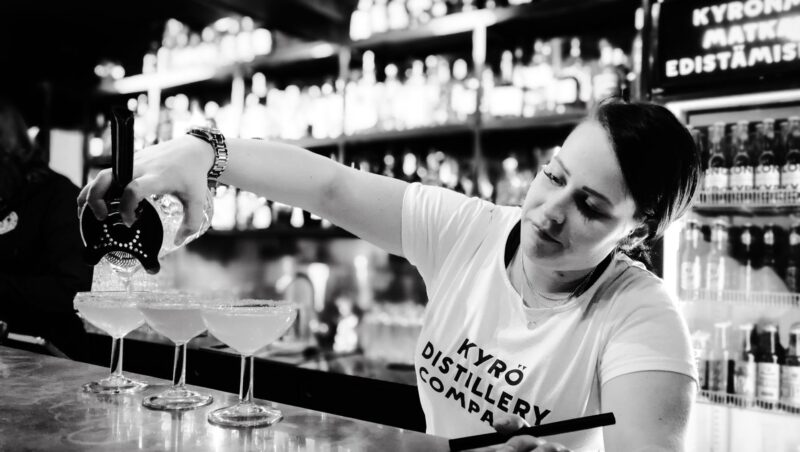
Kyrö Visitor Center is located at the distillery premises in the picturesque village of Isokyrö on the banks of the river Kyrö. We are open on Saturdays For group reservations we are open around the year. Our restaurant kitchen is open only for group reservations. At the Visitor Center you will hear the story of Kyrö in our distillery tours, get to taste the delicious ryeful products in tastings, and, of course, enjoy our wonderful cocktails served in our lovely restaurant. You can also catch art exhibitions from local artists and purchase delightful Kyrö items at our distillery shop.
Check the company’s web page, for more information about private and public tours.
-
The plans for Laihia’s third church were approved by the Office of the Chief Intendant in Stockholm in 1797, and it was built by the Vaasa city councillor Herman Höckert between 1803 and 1805. Stylistically, it represents early Neoclassicism.
-
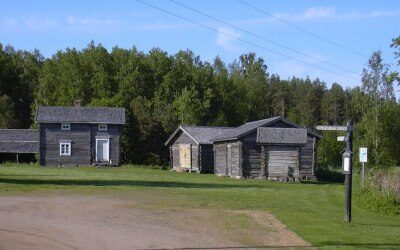
The Laihia Museum and the Museum of Stinginess are a versatile travel destination for the whole family. The objects and buildings in the museum tell the tale of a typical Ostrobothnian estate of the late 19th century. The famous stinginess of the people of Laihia is represented with worn-out items, with a twinkle in the eye.
The Laihia Museum is situated in the Rapila House built in 1827. The building is on its original site, but the museum was relocated there in the 1970s. Rapila used to be a wealthy estate; the walls were for instance painted and decorated with floral patterns.
In the museum are over 5 000 artefacts and 16 buildings, the oldest one of them a grain barn from the year 1731. The objects date back to the 18th and 19th century. One of the oldest items in the museum is a bridal bench with the year “1683” carved in its back. There are also displayed grave heaps discovered in Laihia and for instance ancient findings dating back to the Iron Age. On view in the attic are tools and textiles, for example pieces of clothing from the wartime.
-
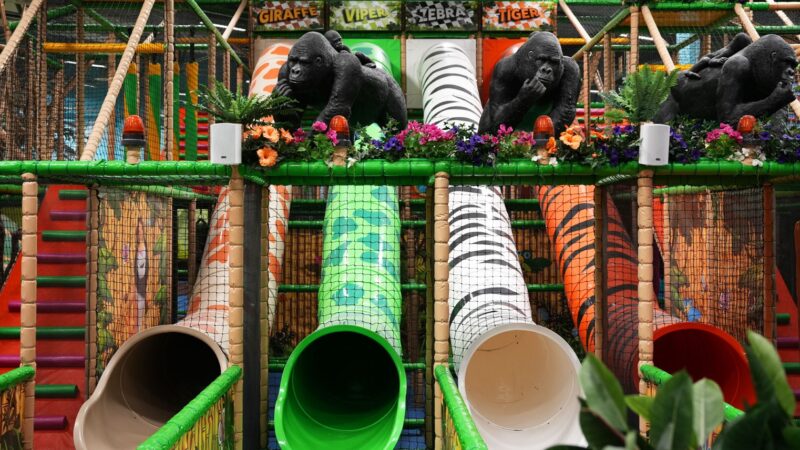
Kids love moving, climbing and bouncing. At Leo’s, your imagination whispers kids for adventure, and the successes of the experience increase your mouths to your ears. At Leo’s, you will have fun moments from the family’s joyful playtime to a memorable birthday party.
-
Leväluhta Water burial ground

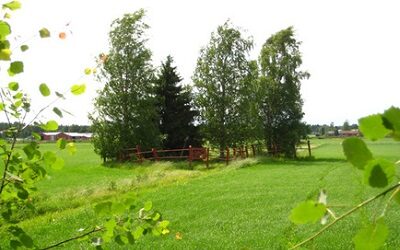
The site colloquially known as Leväluhta sacrificial spring is an internationally significant water burial ground from the Iron Age, where bones from nearly a hundred individuals have been found. According to studies, the burial ground was used between the years 300 – 800 AD.
Over its thousand-year existence, Leväluhta’s shape has changed as a result of land uplift effects. Leväluhta is one of Finland’s most famous archaeological sites and it holds international importance.
Burying in water was also rare during the Iron Age; cremation of the dead was the prevailing tradition. The reasons for the submersion in Leväluhta are unknown. Even with today’s research, the entire history of Leväluhta is not known. The bones found in the water grave are unusually well-preserved because they have been submerged in oxygen-free clay.
Over the centuries, the spring that bubbles red in the spring has sparked people’s imagination, and one can only guess what was thought of it during the Iron Age. The mysteries persist, and the site changes as the land rises. Will the true knowledge of the past emerge?
-
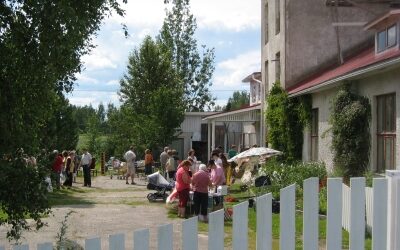
The Art Factory is an independent production-house that focuses on the realization of ideas and where artists from different disciplines can gather, create and share their ideas and works. Malakta is a space that offers facilities to artists in different fields and as production company initiates innovative projects and productions.
-
This, the third Church, of the congregation was designed by C. Bassi, and erected under H. Kuorikoski’s management 1828-29. The bell tower, which is the designed by the famous architect C. L. Engels, was built in 1832.
-
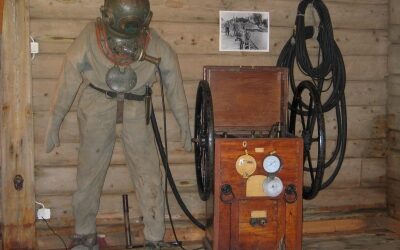
Vaasa used to be an important shipping company and maritime city. In the Vaasa Maritime Museum are displayed local maritime traditions from the shipbuilding of the 19th century to the present day luxury yachts. Various fascinating objects, scale models, shipwrecks and photographs give a glimpse of the life of old time seafarers.
The Vaasa Maritime Museum is located on the shore of the Palosaari strait. The strait was for over 150 years the outport of Vaasa and the centre of shipbuilding. In the 19th century and early 20th century the shore was bordered with the shops and magazines of traders, and the museum is situated in one of these old salt magazines. Ship-owner Wolff had a salt magazine constructed in the middle of the 19th century and the building has been well preserved thanks to the conserving effect of salt. There are four original harbour magazines on the area altogether, one of which probably dates back to the late 18th century and has been relocated on the area from Old Vaasa.
-
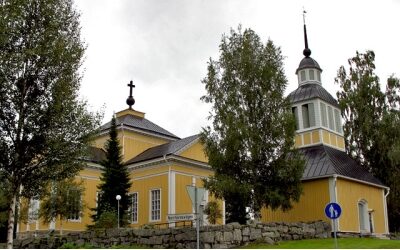
The church of Maxmo, located in the church village of Maxmo, was built in 1825. The bell tower is part of an older church dating back to the 18th century, which previously stood on the site.
-
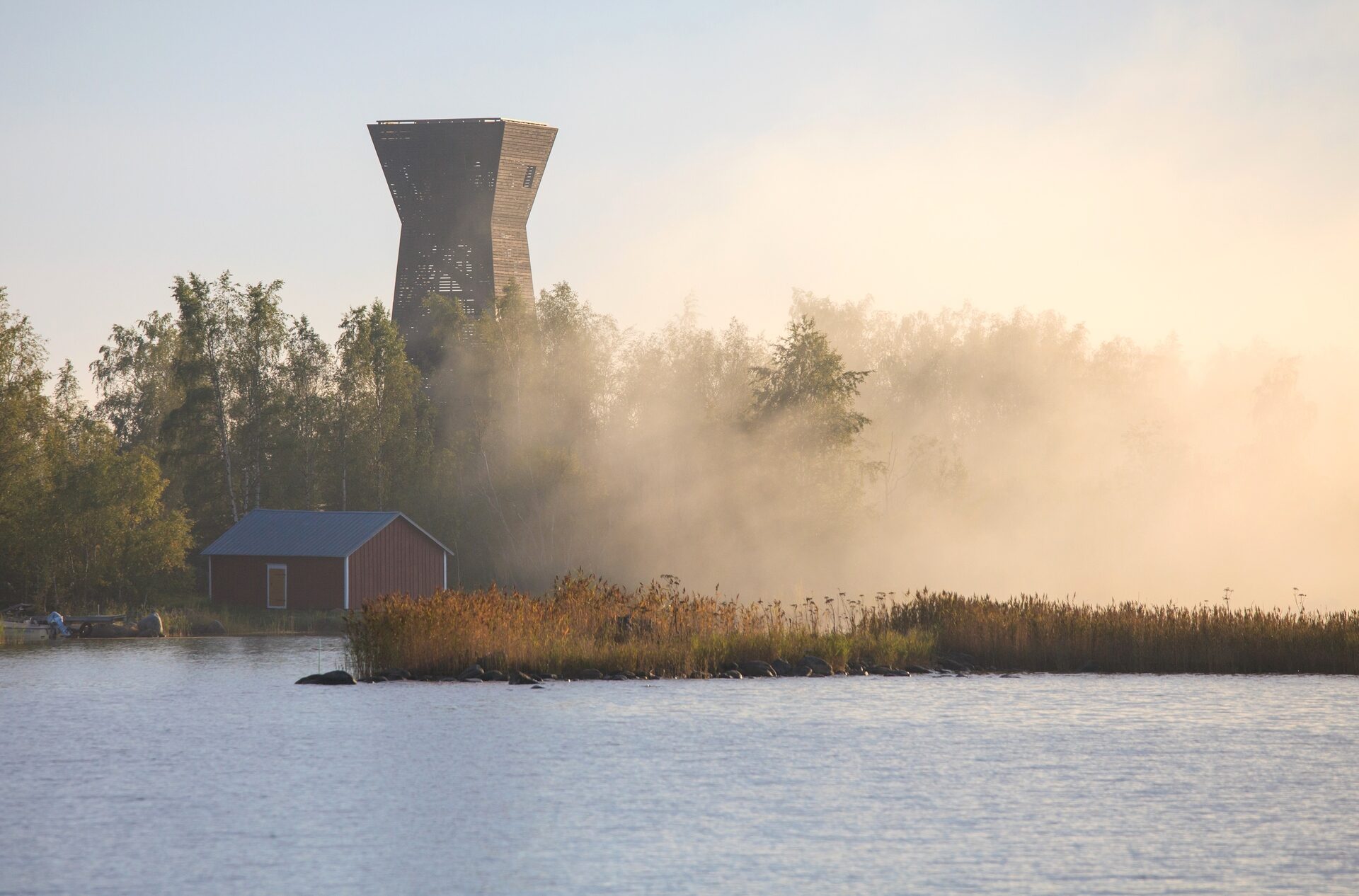
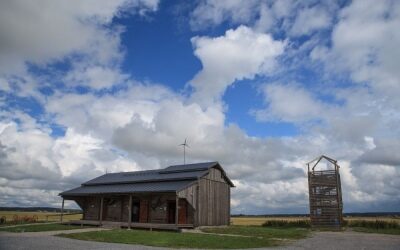
Meteoria Söderfjärden is a unique visiting centre in the middle of the most beautiful meteorite crater in Finland
- An advanced exhibition telling a long story of at least 520 million years of Söderfjärden – from an impact crater to the agricultural and Natura 2000 area of today
- A well-equipped astronomical observatory with a telescope for studies of celestial bodies millions of light years out into the universe
- A bird-watching tower in the middle of the most important resting area for cranes in Finland
- A cafeteria in an old treshing barn
- A model of our solar system, a model of the crater an a timeline of earths history: TellusTimeLine
- An energy cellar – own production of renewable energy: solar and wind
- An exhibition with unique meteorites and an exhibition with old farming machinery
The exhibition is open for individuals and small groups during the opening hours. An exhibition tour on other hours than the usual opening hours, can easily be arranged for bigger groups simply by booking online.
A certified crater guide is always present on normal opening hours and other hours, if booked in advance.
The bird watching tower and the exhibition outside the building is available free of charge, every hour of the day and every day of the year.
-
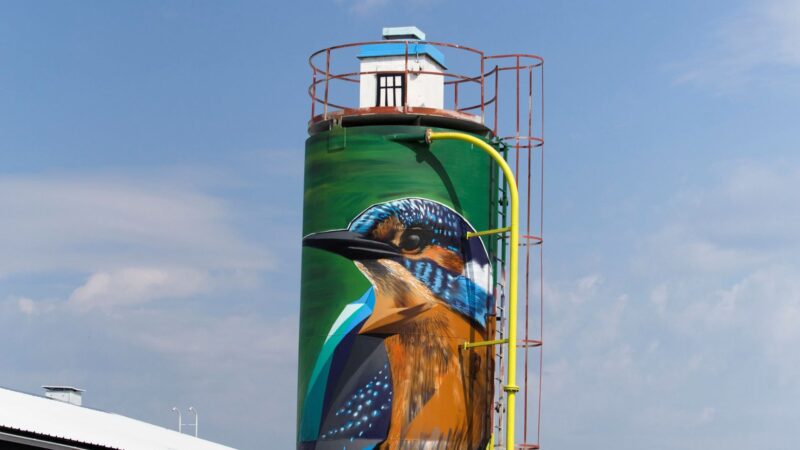
There are a total of 18 mural paintings in the municipality of Malax. Ten of them have been painted through the municipality of Malax’s project in collaboration with the artists. Some of the murals have received partial funding from the Swedish Cultural Foundation. Eight of the paintings have been carried out through the Mural Rural project by Art in Malakta. There are nine mural paintings in Yttermalax, two in Övermalax, three in the Pixne area (Malakta), two in Petalax, and two on Bergö.

Vaasa Region Tourism Ltd.
Tourist information
Visit Vaasa’s office
Vaasanpuistikko 12, Vaasa
Open Mon-Fri: 10 am to 3 pm
Special hours:
24.-25.12.2026 closed
+358 40 123 8977 |
visit.vaasa@visitvaasa.fi