
TaiKon’s name combines the Finnish word taide and the Swedish word konst, both meaning “art.” The name reflects both bilingualism and the diversity of the arts, which are at the heart of our activities.
The story of TaiKon
The development of TaiKon into a multidisciplinary art school has gone through many phases. Over the years the activities have been under the authority of several different operators. Today TaiKon is part of the Alma Adult Education Centre.
From Vaasa Art School towards multidisciplinary teaching
TaiKon’s roots go back to 1942, when the Vaasa Art Association founded a drawing school in Vaasa. The present TaiKon continues this long tradition in visual arts education.
The drawing school’s activities were transferred to the responsibility of the City of Vaasa in autumn 1991 as part of basic education in the arts. At that time instruction was organised under the name Vaasa Art School.
Initially the Vaasa Art School operated as a collaboration network that included the city’s Finnish- and Swedish-language adult education centres and the cultural office. As the activities developed the teaching offering expanded from visual arts to include dance and handicrafts, and the Vaasa Art School became part of Vaasa’s basic education in the arts.
Theatre arts education in Vaasa
Finnish-language theatre arts education was started in the City of Vaasa’s basic education in the arts in the late 1990s.
Swedish-language theatre arts instruction was initially organised by Vasa barn- och ungdomsteaterförening rf, established in 1999. Later it too became an activity organised by the city.
The birth of TaiKon and the growth of its activities
Basic art education was initially provided in premises located in Palosaari and the premises changed several times over the years.
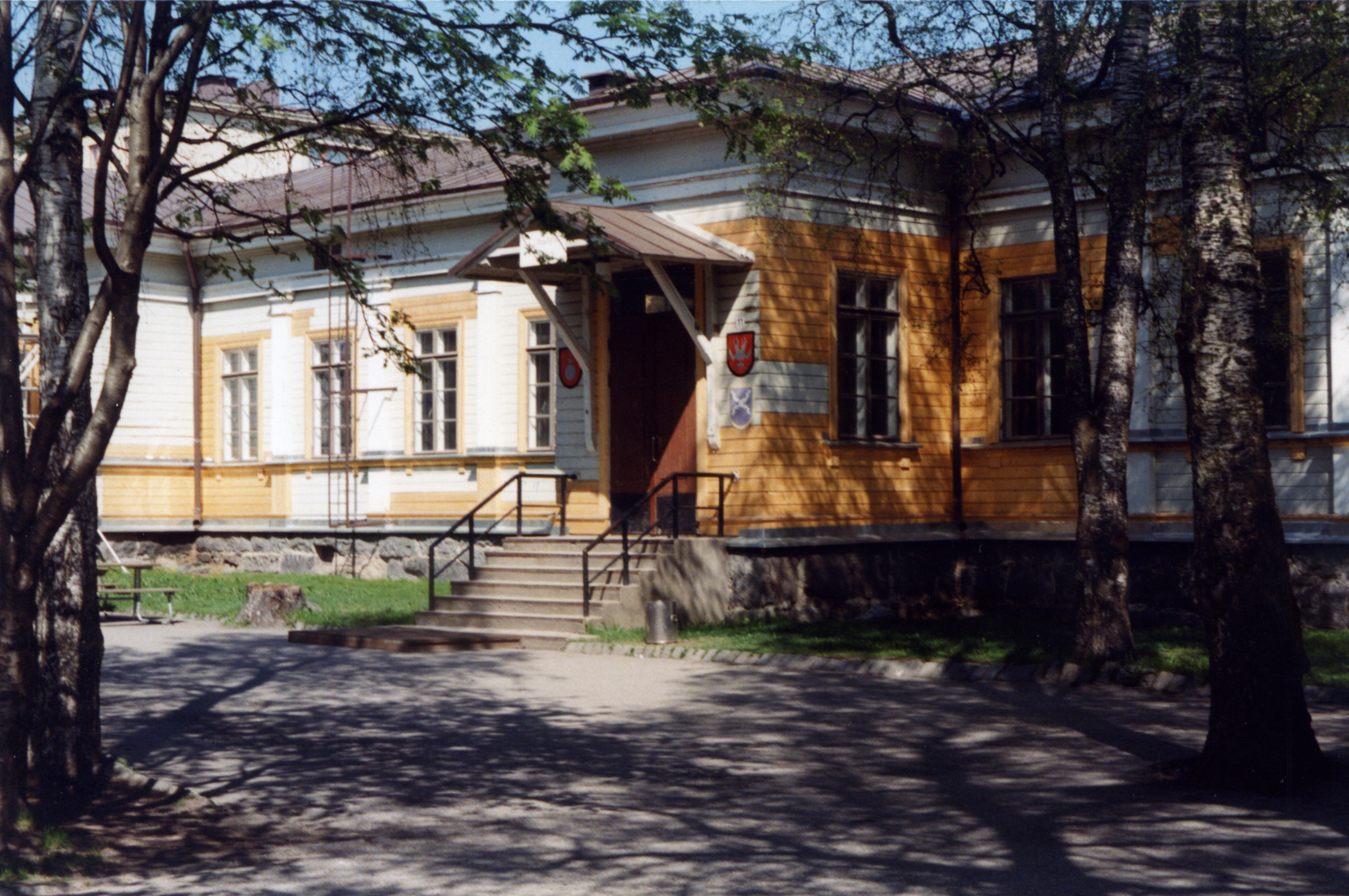
The name TaiKon was adopted in 2013 when teaching moved to the Vaasa Barracks Area into the premises of Barrack 11. At the same time the teaching offering came to include circus arts and media art. In autumn 2025 the ballet teaching in the city’s basic art education also moved from the Kuula Institute to TaiKon.
Today TaiKon is a multidisciplinary art school where children and young people can study several different art forms as part of basic education in the arts.
Kasarmi 11 history
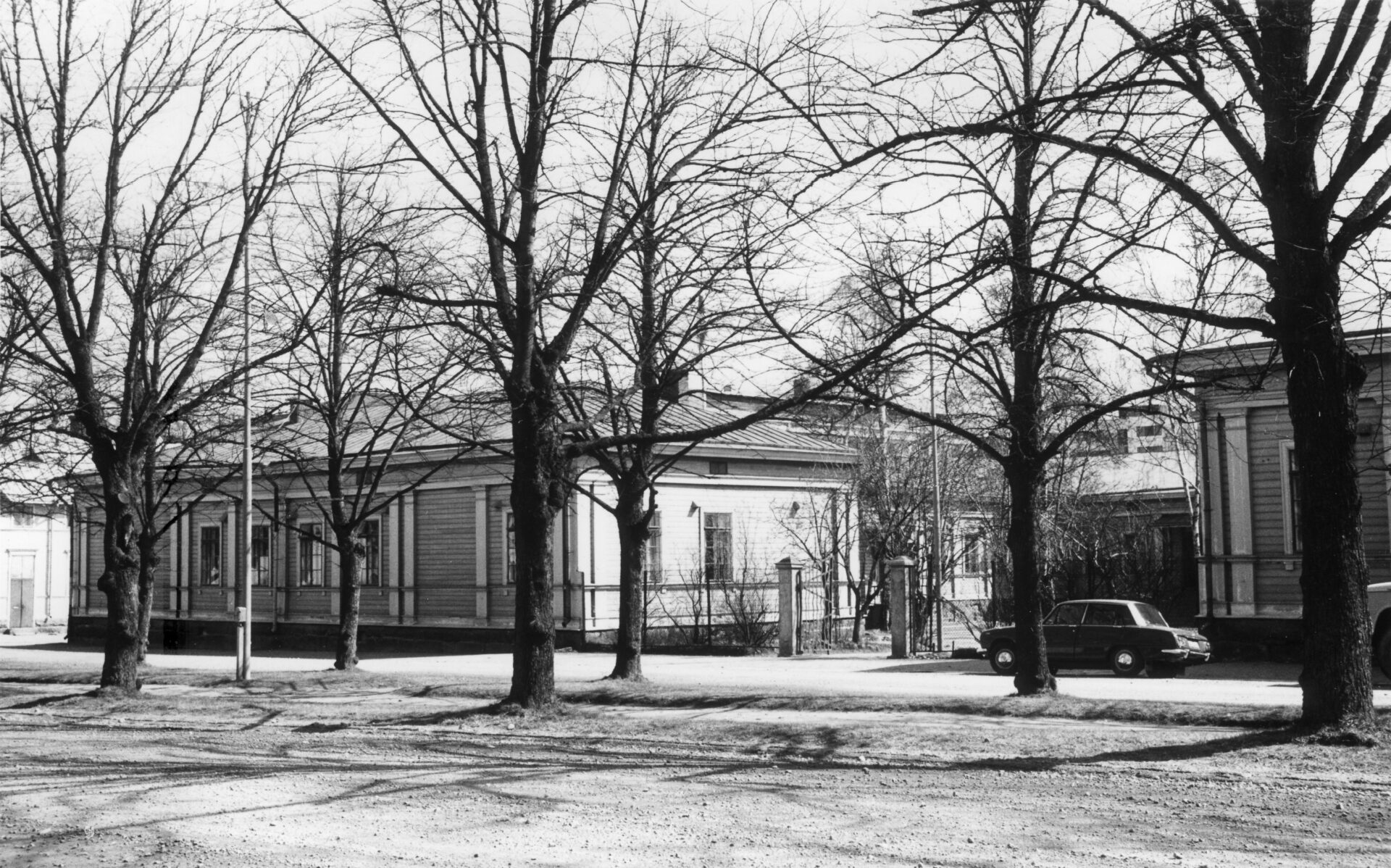
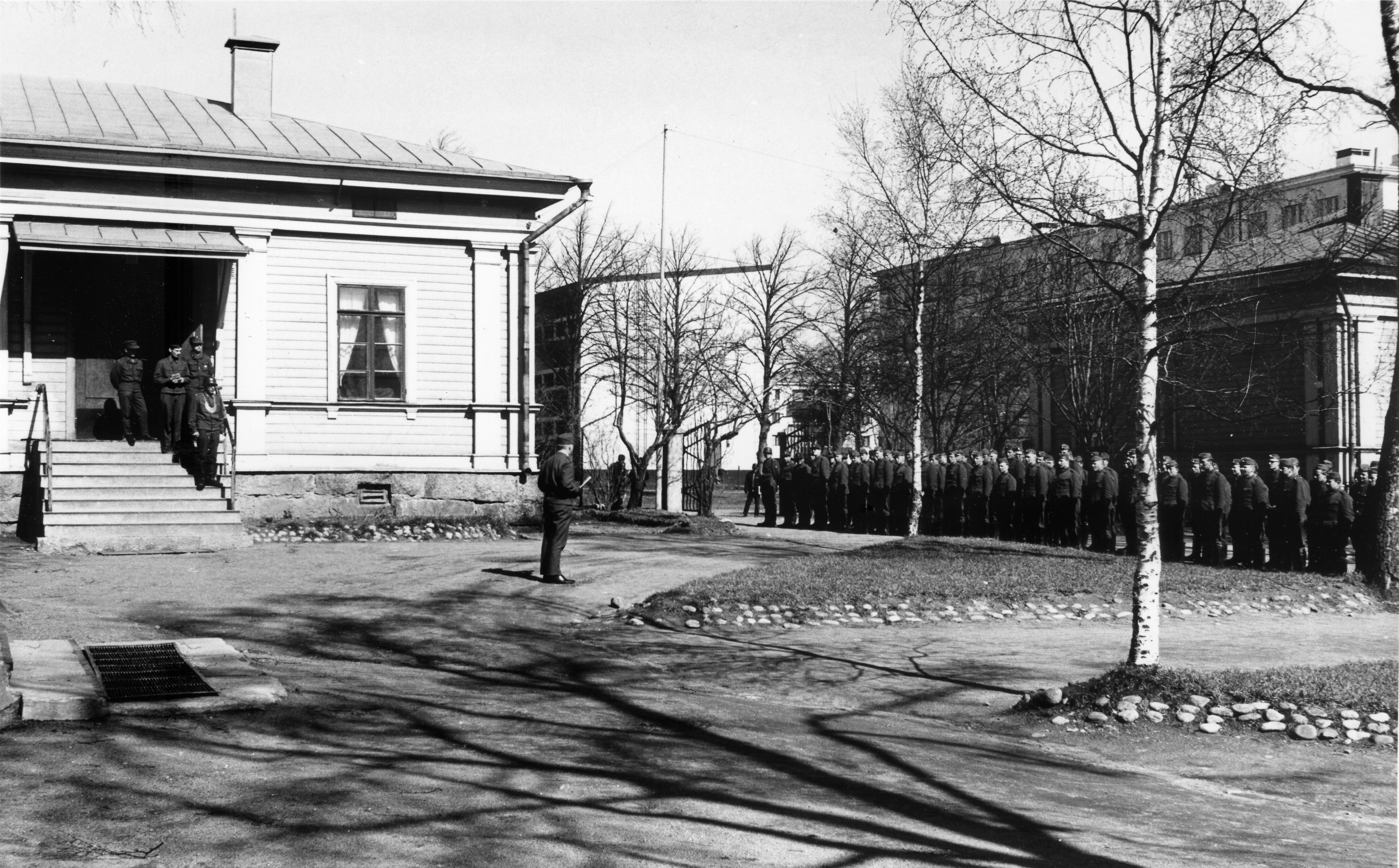
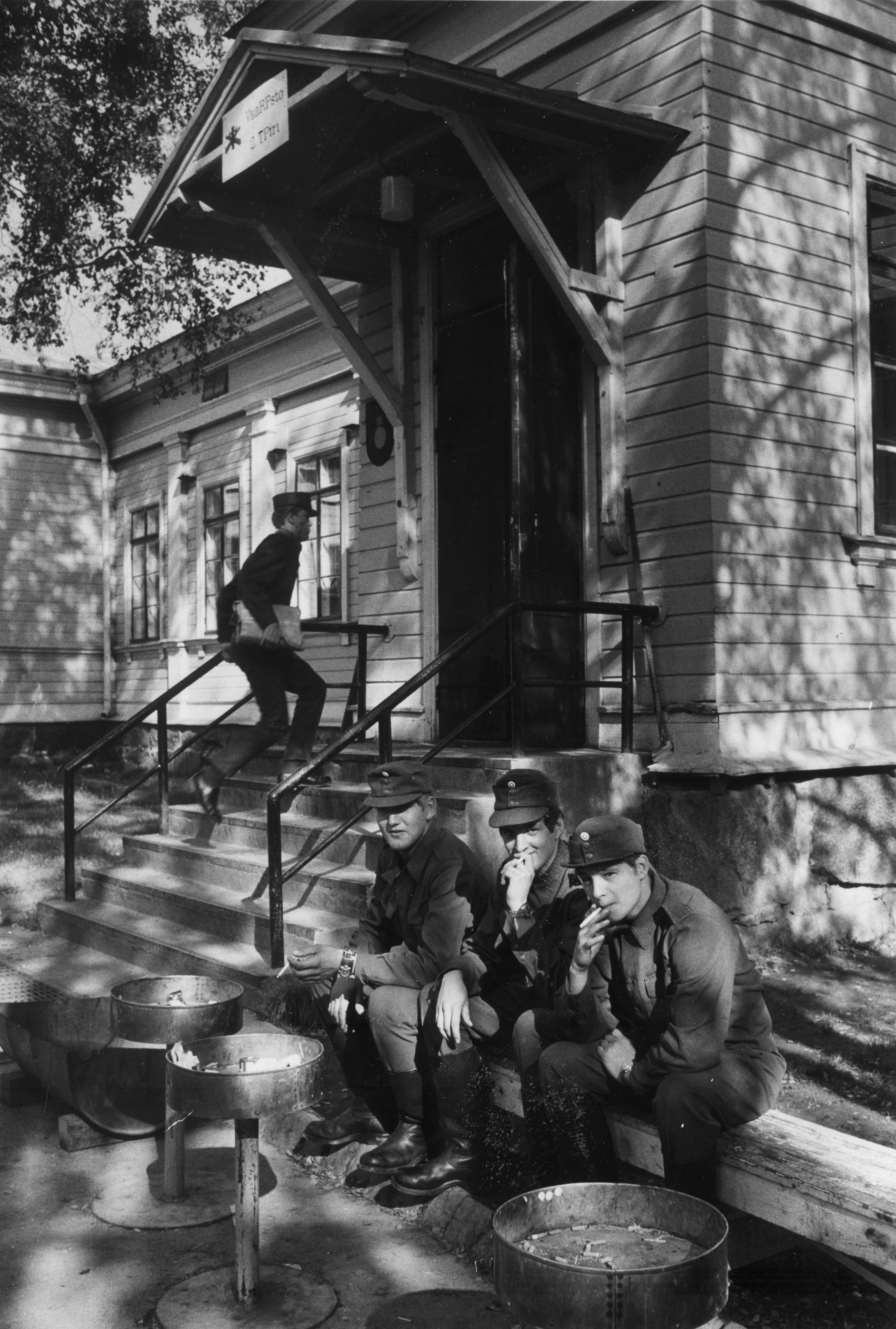
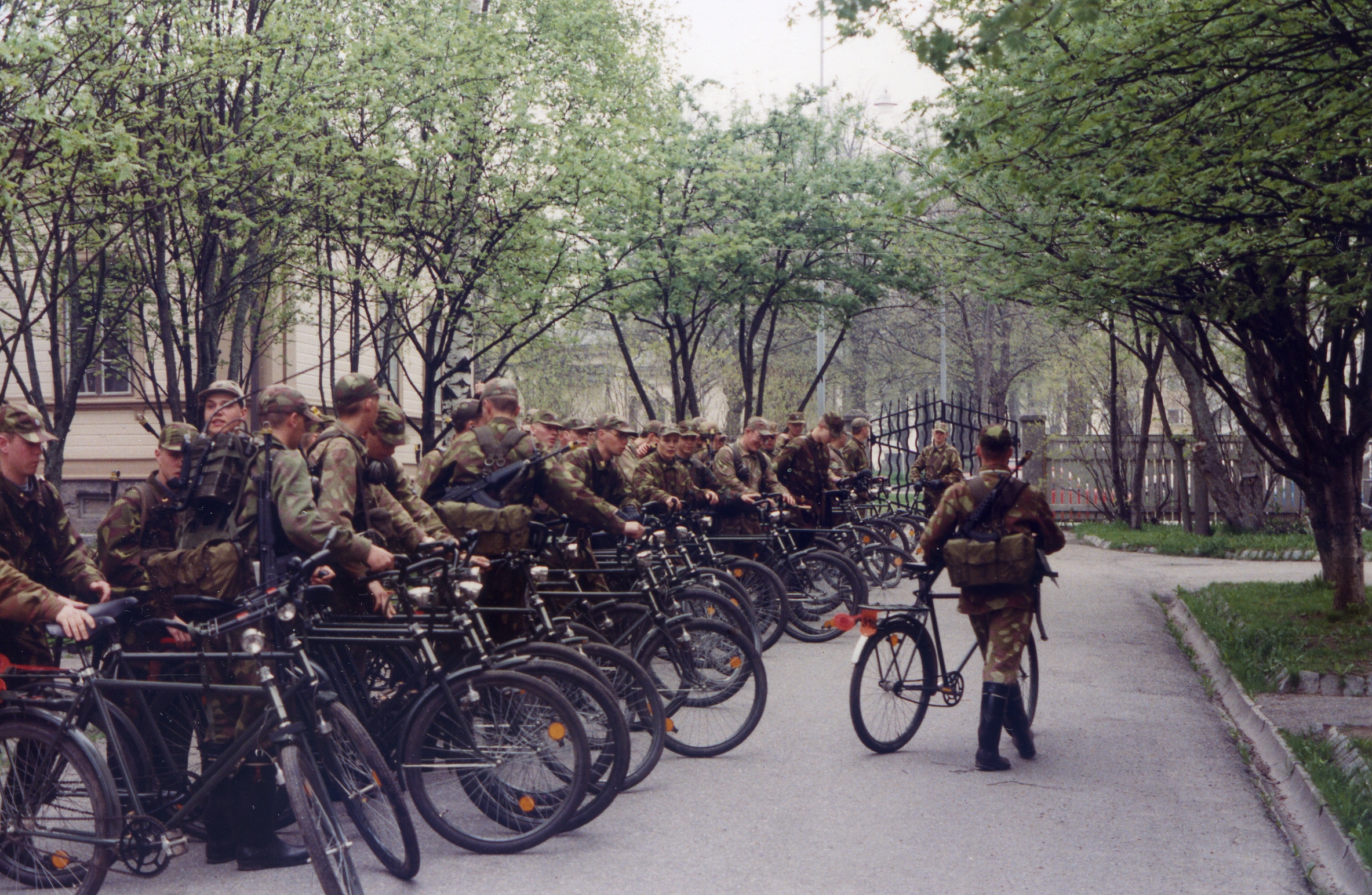
TaiKon’s premises are located in the Vaasa barracks area, which has previously housed the Vaasa Sharpshooter Battalion and the Vaasa Coastal Artillery Battery. The building, owned by the City of Vaasa, was renovated for use by the City of Vaasa’s basic education in the arts in 2011–2012.
Construction of Barrack 11 for the use of the Vaasa Sharpshooter Battalion in 1879
In the summer of 1878, based on the new conscription law approved by the Senate of Finland, a Finnish national army of 5,000 men was established, to be formed of eight sharpshooter battalions stationed in the provincial capitals.
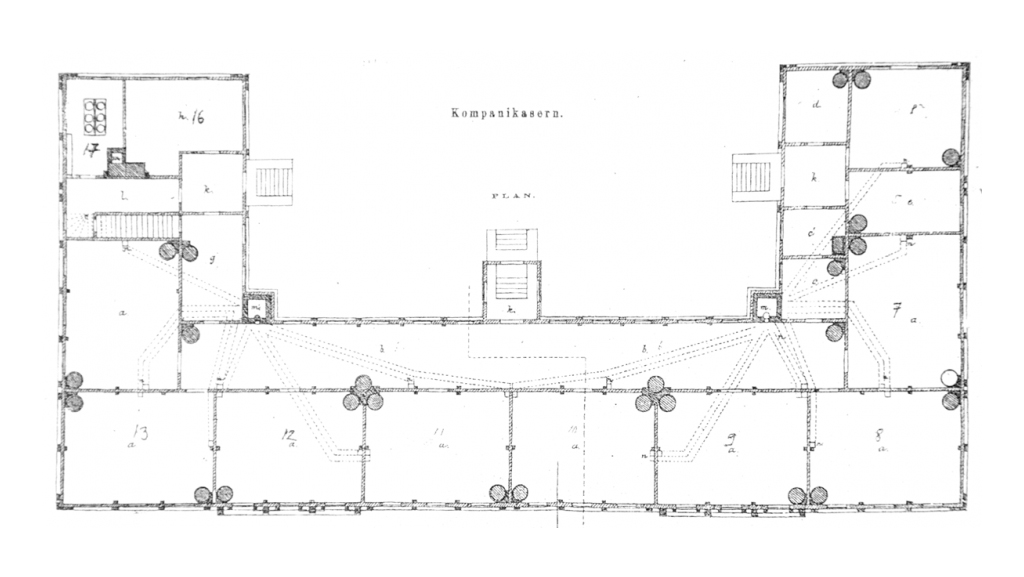
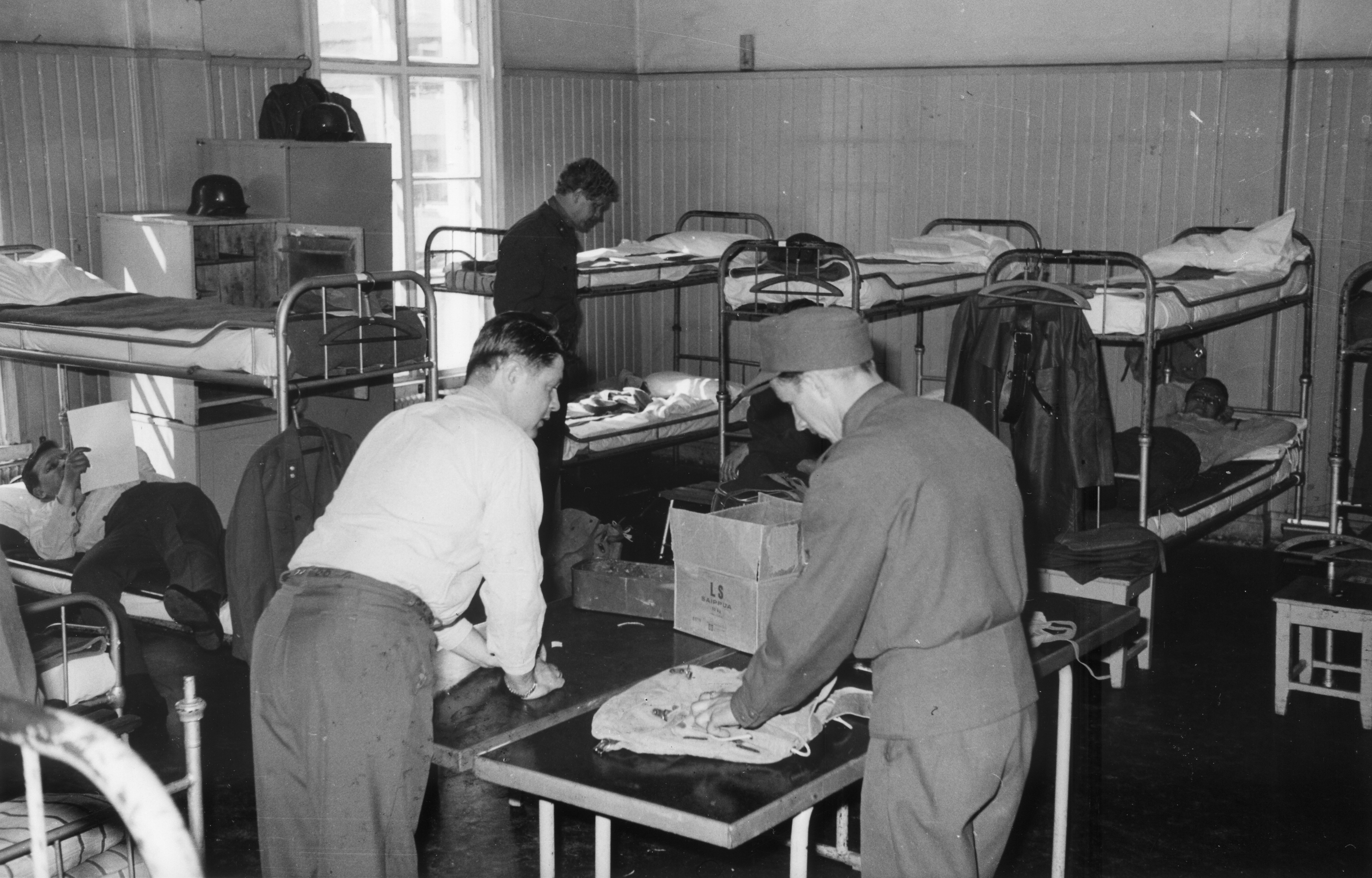
Surveying and staking out of the barracks area for the third sharpshooter battalion to be stationed in Vaasa began in Vaasa on 27 September 1879. Building number 11, built as the company barracks for the first company of the Vaasa Sharpshooter Battalion, was constructed in 1879–1881. The company barracks were dimensioned for one hundred men so that in eight rooms there were sleeping places for 13 men each.
The barracks area was designed by August Boman (1826–1883) in 1879.
Barracks area during World War II 1939–1945
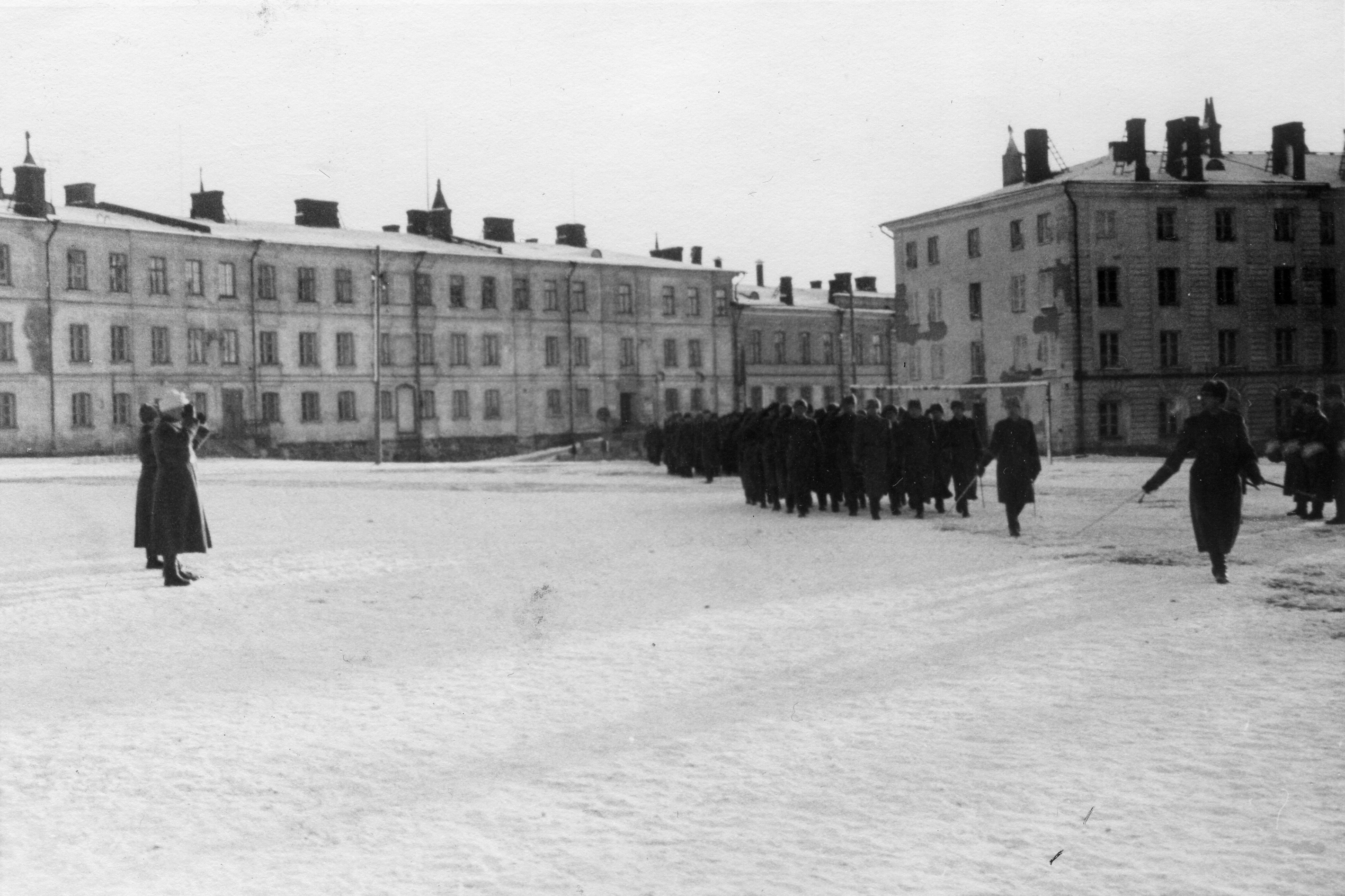
Throughout the Second World War the Vaasa barracks area was used for training non-commissioned officers and crew of field artillery. During the Winter War Vaasa was the target of Russian bomber attacks six times.
The Vaasa Coastal Artillery Battery at the barracks area 1964–1998
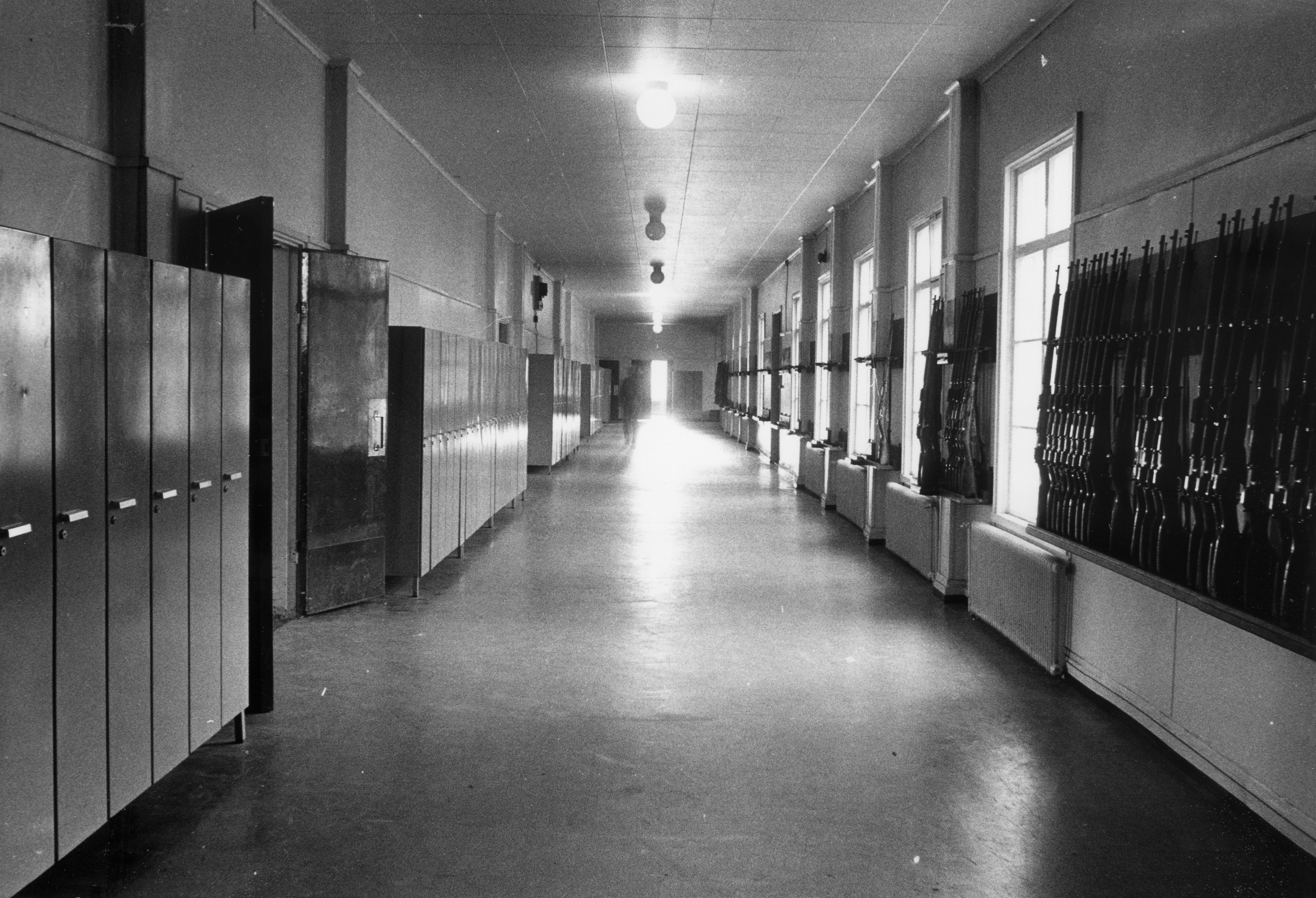
The coastal artillery battery, which in 1952 had been stationed in Suomenlinna under the name Vaasa Coastal Artillery Battery, was moved to Vaasa in 1964. The battery comprised a headquarters battery and four other batteries, one of which served as a non-commissioned officer school. The Vaasa Coastal Artillery Battery was disbanded in 1998, after which the barracks area largely came into the ownership of the City of Vaasa.
The barracks area as a protected site
The barracks of the sharpshooter battalions were usually built outside the planned areas of towns. Over time the towns have grown and in the 1950s it was noted that many barracks areas were in the way of urban expansion, which led to parts of barracks areas giving way to other building stock. Changes have also been made to many of the remaining buildings that more or less alter the original character of the buildings or areas.
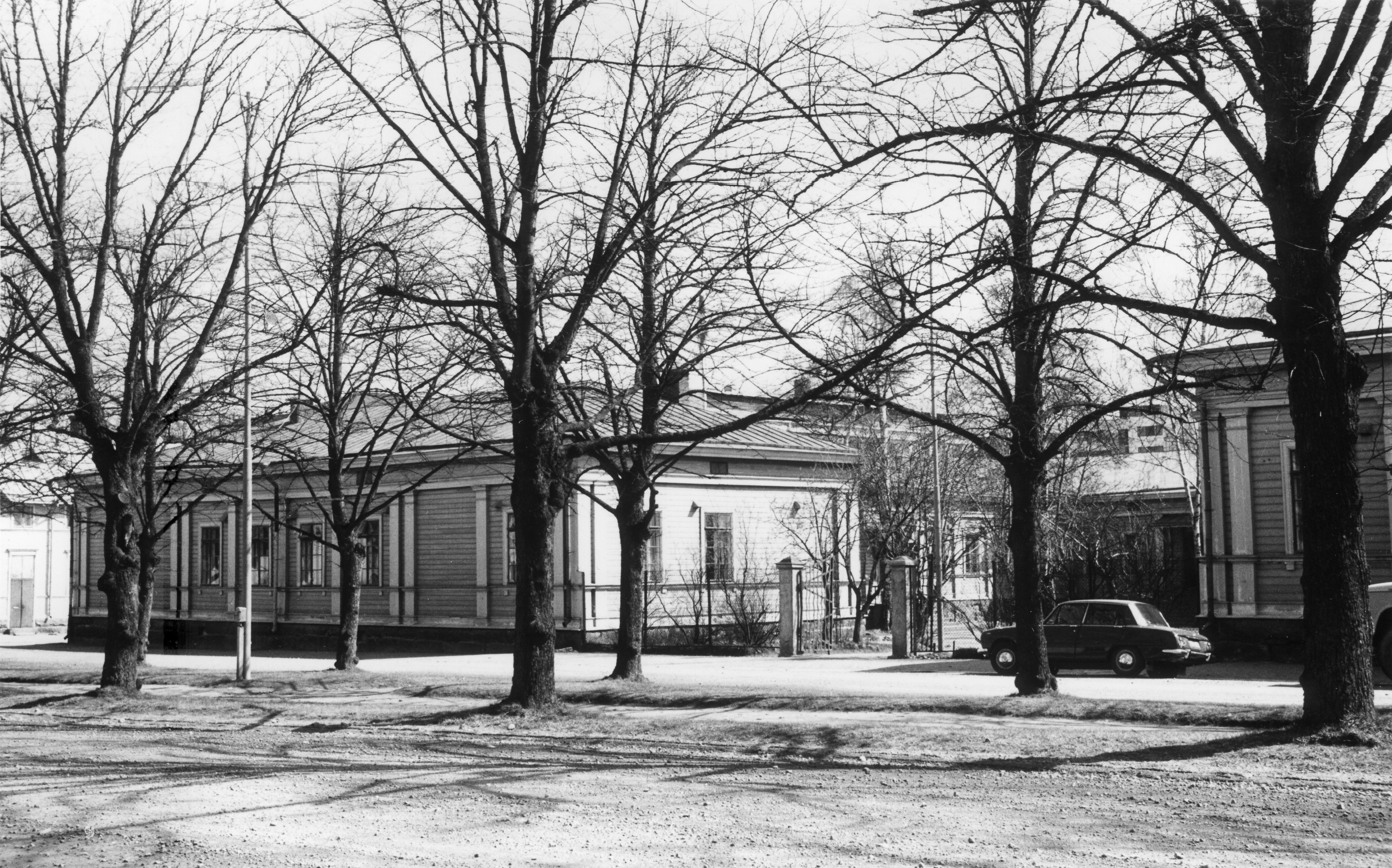
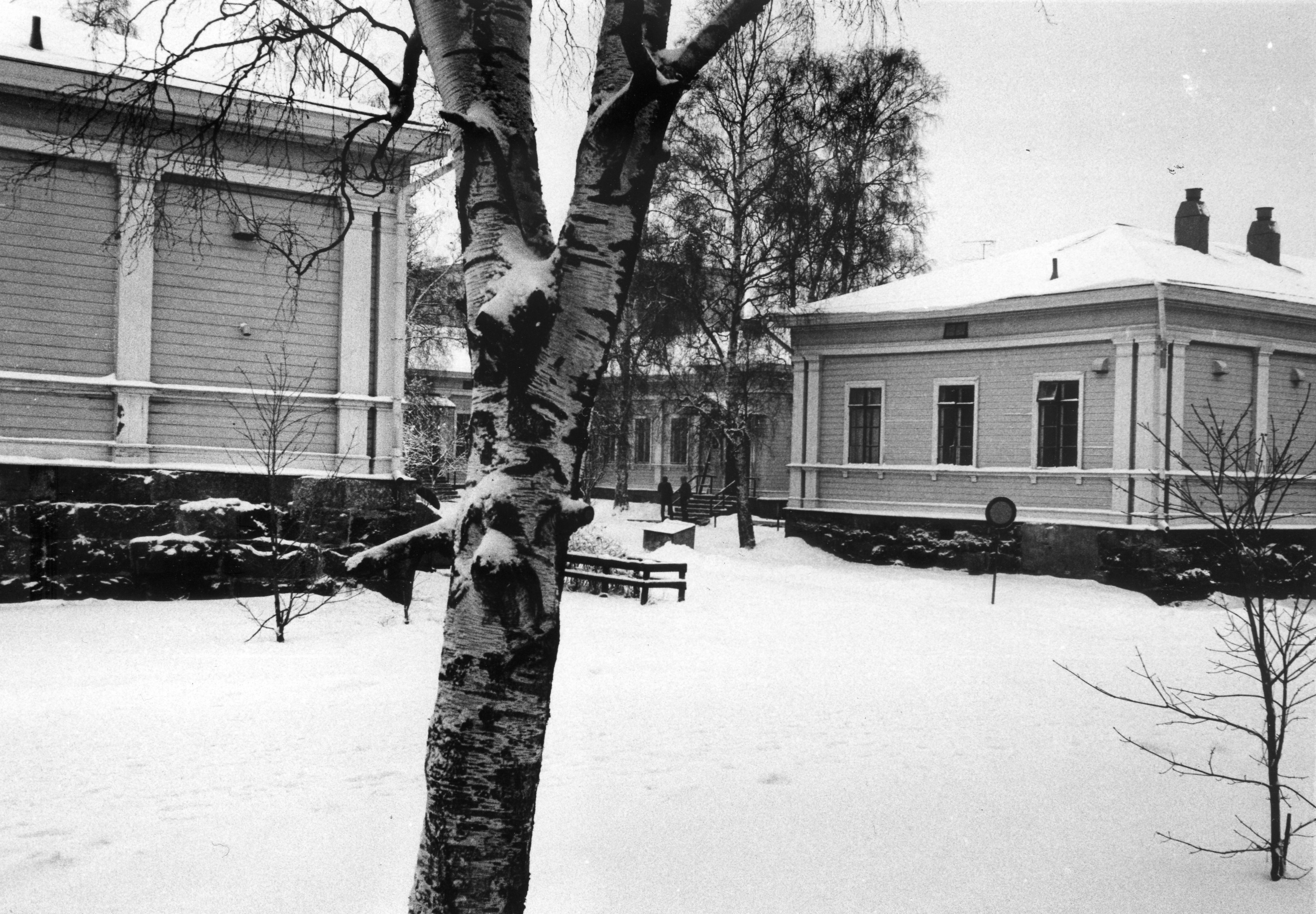
Compared to the redevelopment of most sharpshooter battalion barracks, the Vaasa barracks area can be considered a positive exception. Today the Vaasa barracks area, with its tidy buildings surrounded by mature trees and plantings, looks roughly as August Boman (1826–1883) designed it in 1879.
The building has a grey stone foundation, a frame made of hewn logs, a horizontal boarding façade with classical pilaster motifs and cross gables. The building was originally heated by 29 fireplaces. In 1968 the building was connected to the district heating network.
The history of Barrack 11 uses as source the Ostrobothnian Museum’s report
Katarina Andersson: Vaasa Barracks Area – A Building Historical Study.
Ykkös Offset, 2006. ISBN: 952-5057-24-0, ISSN: 0785-3491
Image gallery
Browse the image gallery by clicking the bracket at the right edge of the image. You can enlarge an image by clicking on it.
-
TaiKon
TaiKon offers qualitative basic education in arts in Vaasa to children and youngsters.

Phone
Enquiries related to teaching (Dance, Theatre, Circus): 040 183 8438Enquiries related to teaching (Fine arts, Handicrafts, Media arts): 040 744 5582Customer Service in Finnish: (Mon–Fri 8–16): 0400 868 110040 198 1261Customer Service in Swedish: (Mon-Thu 10–14): 040 629 9133Invoicing (Mon-Thu 10–14): 040 629 9133

Email

Address
Kasarmi 11, Itäinen Kasarmintori 7-9, 65100 Vaasa
- The building is accessible. The accessible entrance is located through the basement-level door (Artellikuja). The door is on the building’s lower ground floor, and an elevator is available on the basement level.
- Please call us and we will come to open the door:
- 040 744 5582 Coordinating Teacher (evenings, Mon–Wed)
- 040 352 6083 Full-time Teacher (evenings, Mon–Thu)
- 040 179 9681 Producer (during office hours)
- 040 614 8628 Senior Attendant, In-house Services (during office hours)
- Two parking spaces near the basement entrance are reserved for people with reduced mobility.
- Two toilets are accessible and adapted for people with reduced mobility.