
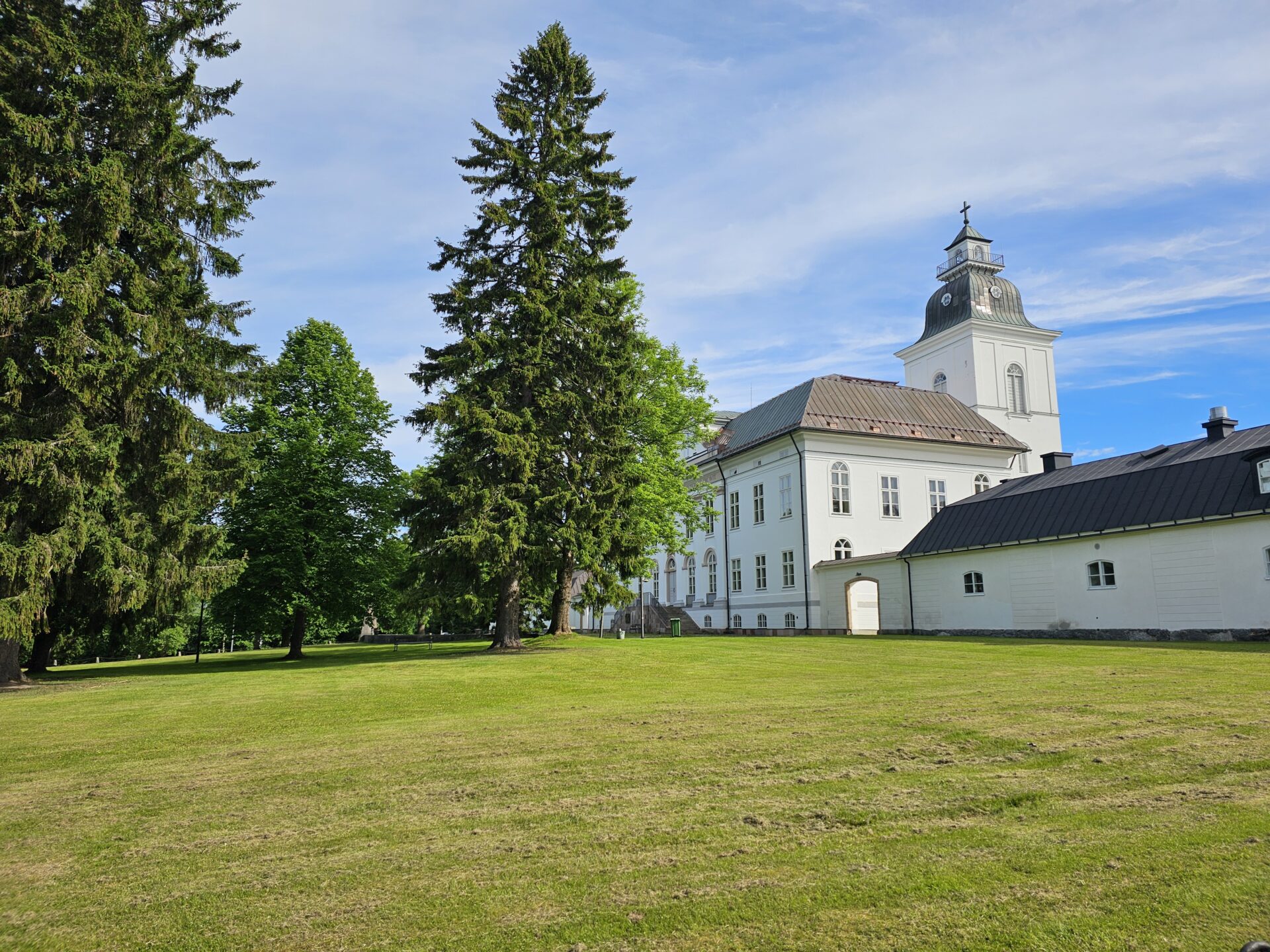
Cultural environments are places where human activity and the development of nature are intertwined. They can be very different from one another: some of the sites represent the built environment and history, others are landscapes or vegetation that have been shaped by long-term use.
On this page you will find various cultural environment sites presented, can be explored in greater detail on their individual pages. The sites combine local history, landscape development and the present environment, and they offer an opportunity to examine how the Vaasa region has been shaped over time. Often, in addition to an individual site, its surroundings, landscape, vegetation and structures that together create a place of cultural and historical interest.
Below are key concepts used when talking about cultural environments.
Cultural environment is a general term for environments where the interaction between humans and nature is visible. It also includes the meanings, interpretations and place names people give to the environment. The cultural environment is made up of the built cultural environment, cultural landscapes and ancient monuments.
The built cultural environment, often referred to as built heritage, is the most visible part of the cultural environment. It includes buildings and their interiors, yards and parks, as well as structures such as roads, bridges, canals and lighthouses.
Cultural landscape is a landscape shaped by humans. It can be rural scenery where the influence of nature and people combine, or an urban landscape where human influence is more prominent. The cultural environment and cultural landscape are not just individual sites but form broader temporal and regional entities.
Cultural vegetation refers to vegetation that has been shaped as a result of human activity, such as fields, traditional landscapes and parks.
Cultural plants are plants that have spread into the wild from gardens and cultivated areas as a result of human activity.