
Museums and exhibition
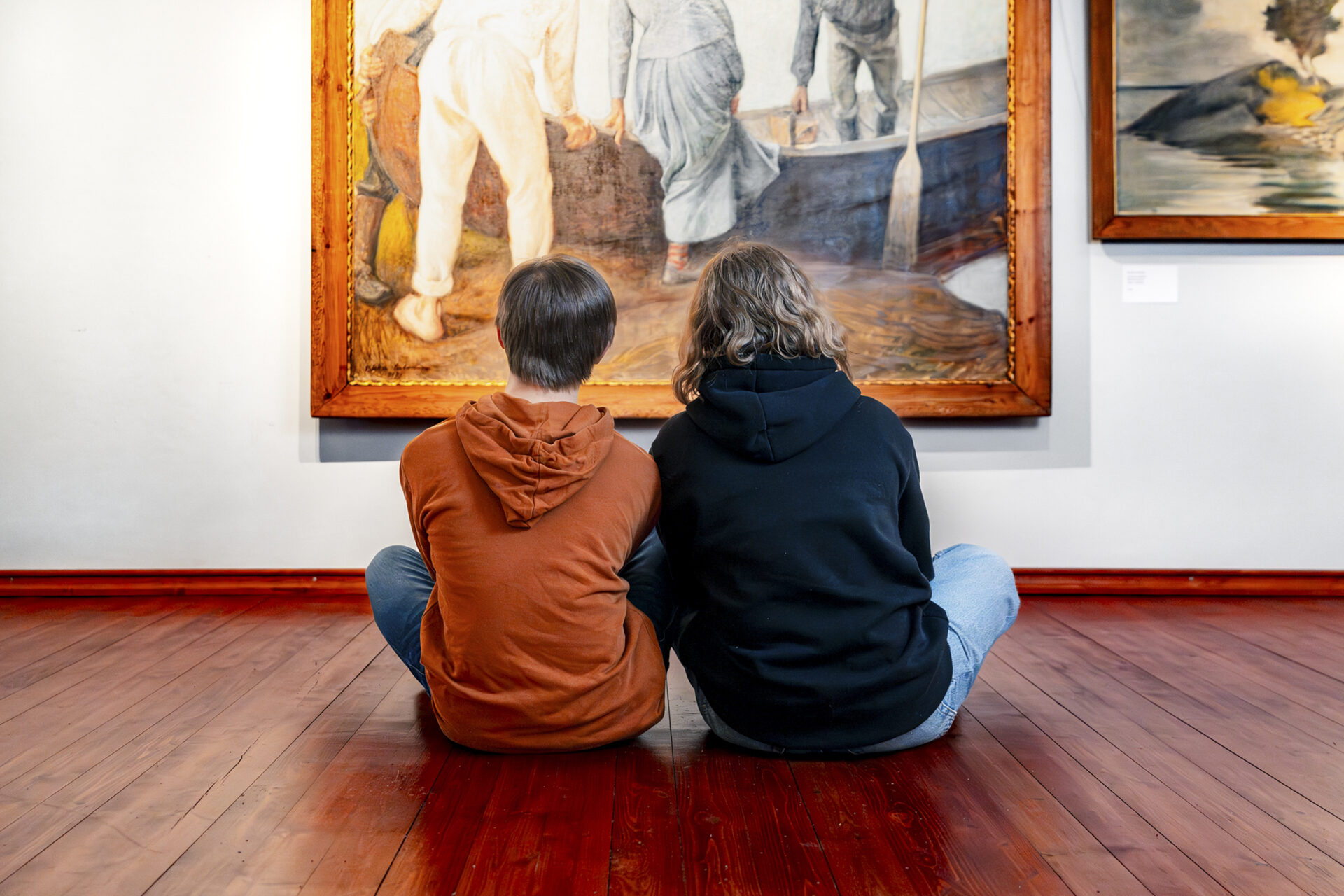
Discover the museums and exhibitions of the Vaasa region! Explore the region’s history, art and culture and find fascinating places to visit – from local history to contemporary art.
-
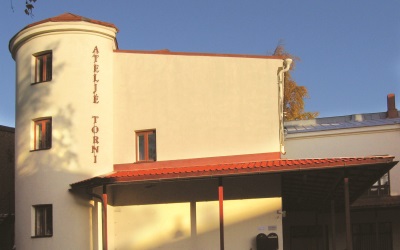
ART CENTER TORNI is the home and cradle of artists of Vaasa Art Club. From its protection have many respected artists left.
-
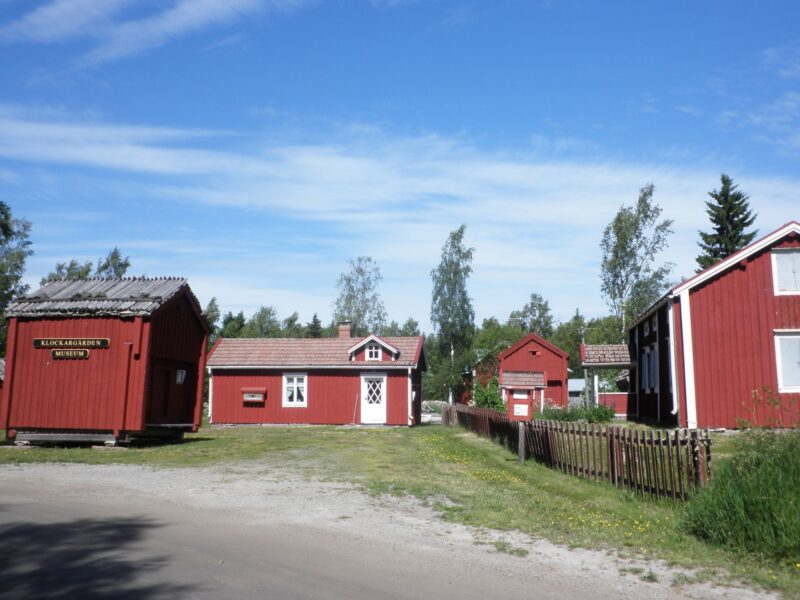
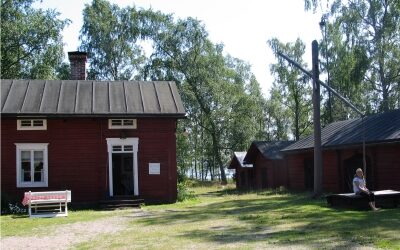
The sexton farm (Klockargården) was built in 1856 by the village farmers as residence for the parish sexton Johan Erik Munch.
The residence was donated to Bergö Antiquarian Society on august 7th 1942. The residence has since then been a local museum and is operated by Bergö Antiquarian Society. -
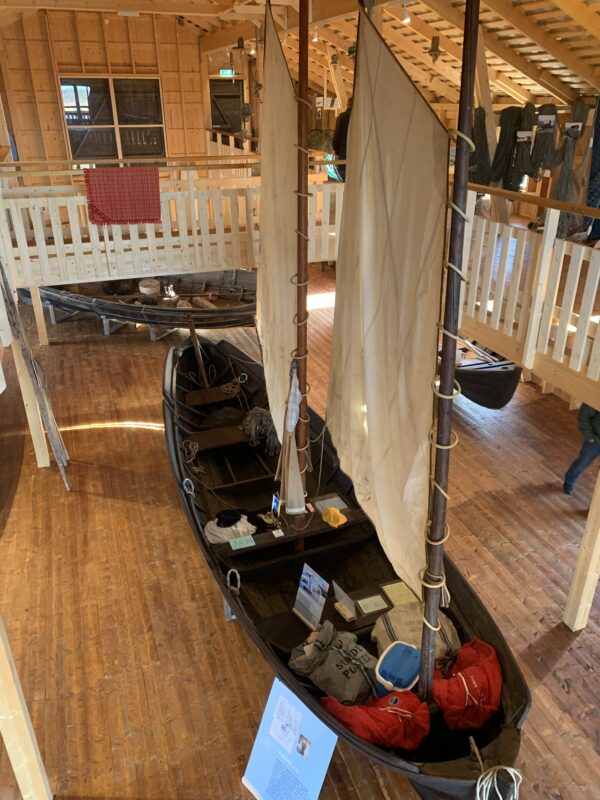
In the newly built boat museum at Svedjehamn, you can learn more about clinker boats, seal hunting, and different types of fishing methods and hear touching stories about life in the archipelago. The museum is open during the summer months (June-August).
Please get in contact by e-mail for group bookings.
-
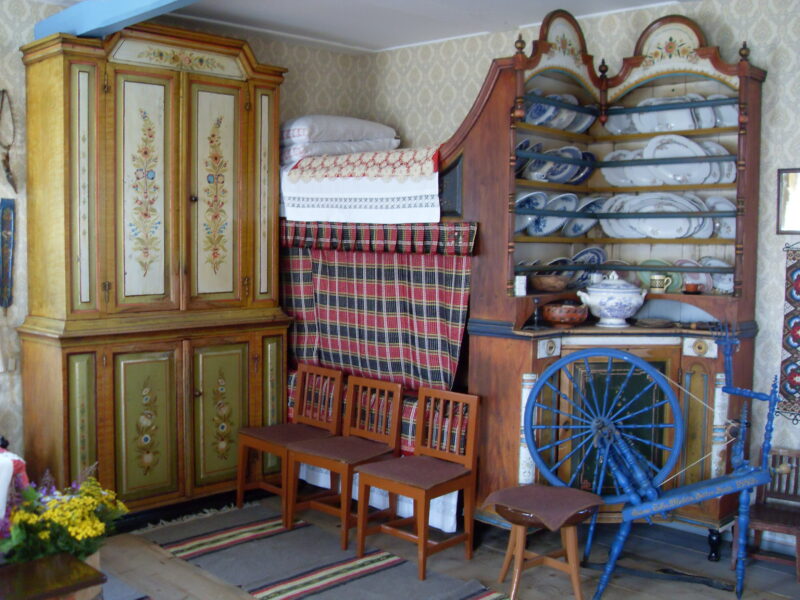
Mortes was built in 1844 and today houses a museum. When visiting Mortes, you will be able to see some of the oldest Björkö-cupboards decorated with ornate floral motifs, the first village radio, and old textiles, but also more modern items that represent how this home has changed with time.
The museum area also contains the Motor Museum, the Soldier’s Cabin, and the Carding and Spinning Mill, as well as our exhibitions about the Defence Corps, the School in Björkö, and 19th century clothing. People have already visited this house for decades, as its previous owner Emil Doktar was a famous bonesetter and adventurous jack-of-all-trades. To hear more about him, his family and Björkö life in general, do pay us a visit!
The museum is open during the summer season.
-
Brage Open Air Museum with its beautiful surroundings lies within walking distance of the centre of Vaasa.
The Museum consists of a complete nineteenth-century farm with interesting buildings and interiors from the Swedish-speaking part of Ostrobotnia. Permanent exhibitions include the decorated Wedding Room, the Girls clothing Loft with colourful textiles and the Seel Hunting Museum. There is a model of a stone labyrinth on the area.
-
The Orregården farm house in the village Malax (1879) and its restored garden (as it was in the 1930s) form a unique milieu with all the farm’s objects preserved in their original surroundings. The other 20 buildings are moved to the open-air museum.
-
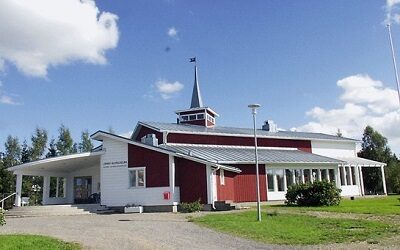
Finland’s first library was established in Vaasa already in 1794. The Library Museum provides a versatile picture of the history of the library with the help of artefacts, books and pictures. Historical book collections share the space with the museum’s alternating exhibitions.
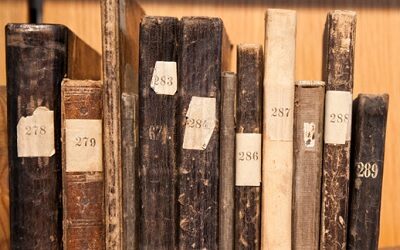
The roots of Finland’s first library are in the Waasa Reading Library (Waasan Lukukirjasto), which was established by some members of the Vaasa court of appeal in 1794 for “their own amusement and to pass the time”. Other citizens were also allowed to use the library for a small fee. The library had a wide collection of books and maps as well as portraits and copper drawings. It is not likely, that the art items were lent, but the beginning of an art rental shop of a sorts was, however, there. The Reading Library operated until 1845, when the censorship regulations of the Russian rule forced it to close its doors. There are 30 works in the museum today, which remain from the original Reading Library.
After the Reading Library closed down the citizens of Vaasa were left without a library for five years. Lecturer Oskar Rancken stepped up, and the new library operated until the beginning of the 20th century. In the attic of the Palosaari library was discovered in the 1930s a collection of preserved tomes from the library in question. The tomes were bound in black leather backs, and therefore the collection has received the nickname “The Black Library”.
-
Step inside the Youth Association Museum. In the Youth Association Museum the visitor can get acquainted with the exciting and eventful history of our organization spanning 135 years. How did we become us? We have gathered a basic collection around thematic entities, that each recount our history.
-
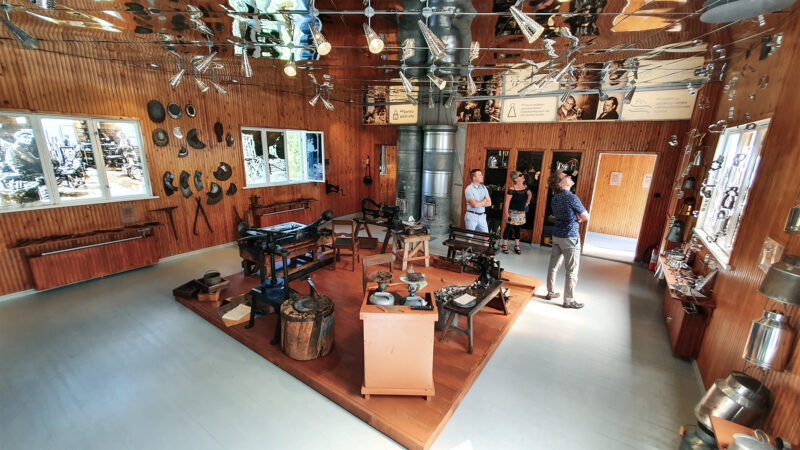
Dive into the tinplate craftsmanship tradition alive in the cultural area of Kirkonmäki in Vähäkyrö and experience the authentic atmosphere of the carefully renewed museum. The exhibition showcases a unique craft tradition from the 18th century to the present day and demonstrates how tin objects are made using traditional tools. The museum features nearly 200 different items as well as tools over a hundred years old. If you’re lucky, you may also see a real tinsmith at work on site.
-
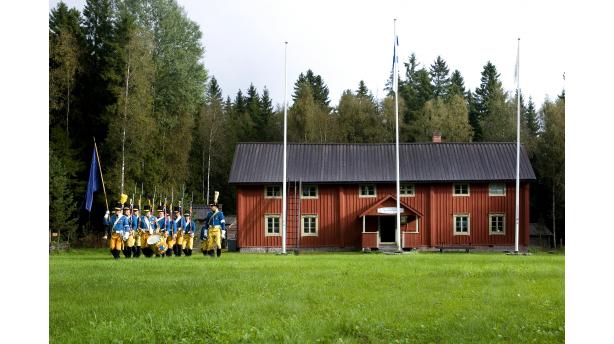
Fänrik Stål’s center includes the area at the historic site of the Battle of Oravais. Here, the war of 1808-1809 is highlighted through both objects, stories, the place and the buildings. The regiment’s exercises and displays bring history to life in period uniforms and weapons.
-
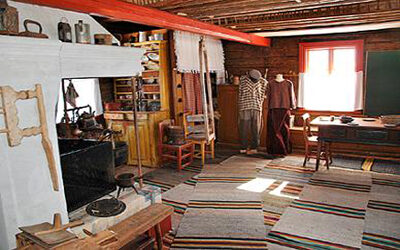
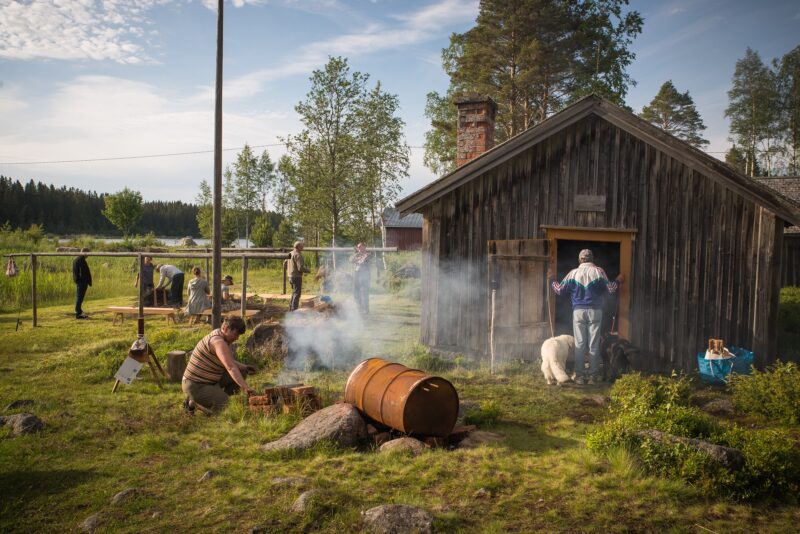
The Granösund Fiskeläge (Fishing Village Museum) provides a view of life in the coastal region of Ostrobothnia, in the days when the majority of the population still depended upon fishing, seal hunting, farming and handicraft for its livelyhood.
-
Harrström old fishing harbour, a Place full of life back in the days. Close to the harbour, there is a small museum about how fisherman’s families lived in the turn of the century 1800-1900 and the harbour offers a beautiful view to admire.
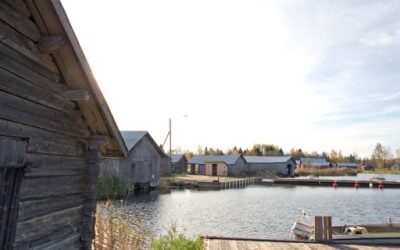
Current exhibitions and events at museums
-
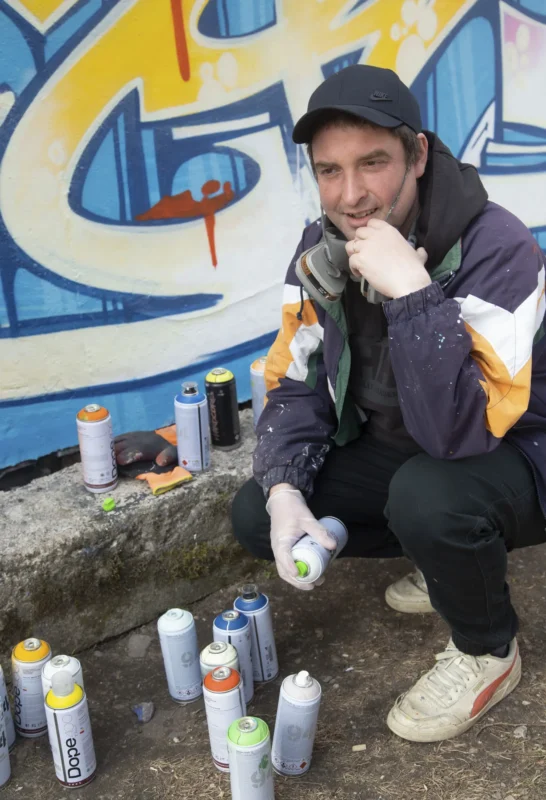
Museums & Folklore
Näyttely – Jon Gredmark

24.11.2026 – 5.1.2027 at 08:00 – 21:00

Galleri Campus Norrvalla, Vöyrintie 305, Vörå
-
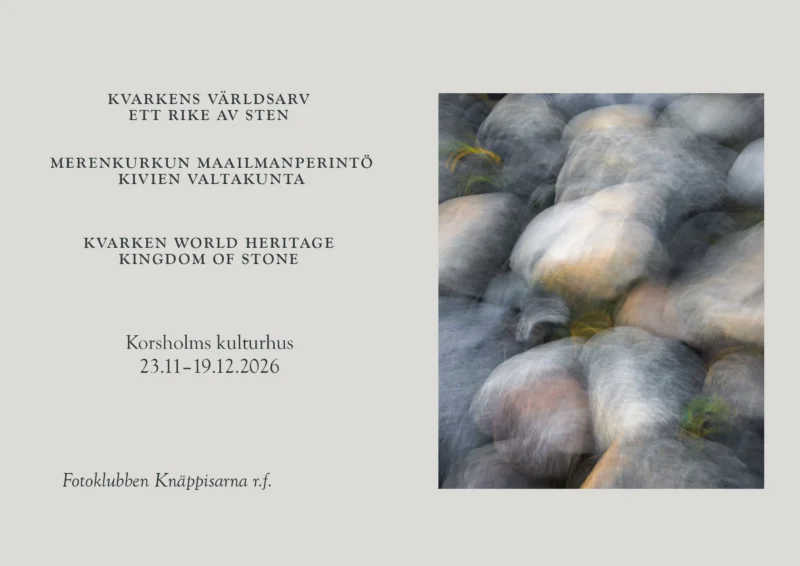
Museums & Folklore
KVARKEN WORLD HERITAGE – KINGDOM OF STONE
24.11.2026 – 19.12.2026 at 09:00 – 20:00
Korsholms kulturhus, Skolvägen 1 KORSHOLM
-

Museums & Folklore
Annual Exhibition of Vasa Art Club 2026
24.11.2026 – 18.12.2026 at 12:00 – 18:00
Pitkäkatu 66, Vaasa
-
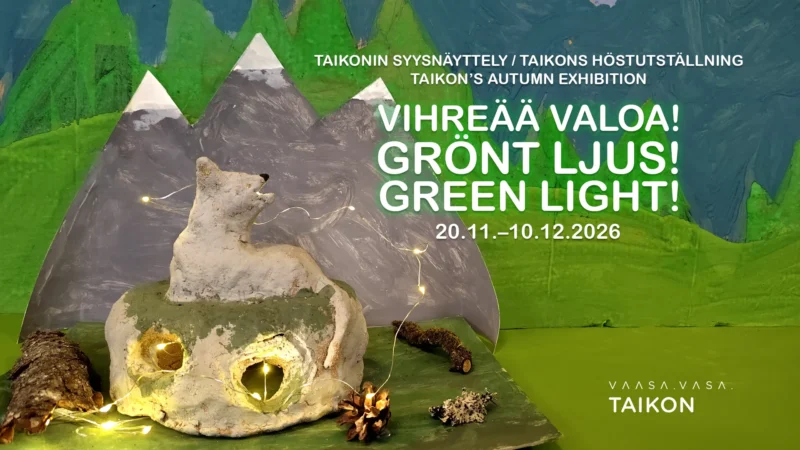
Museums & Folklore
TaiKon’s autumn exhibition: Green Light!
24.11.2026 – 10.12.2026 at 16:00 – 20:00
TaiKon, Kasarmi 11, Itäinen Kasarmi 7–9, Vaasa
-
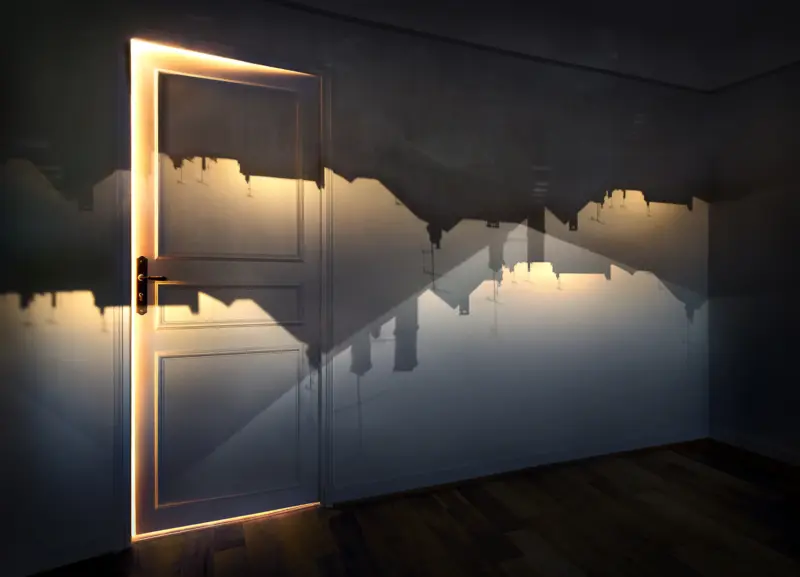
Museums & Folklore
Marja Pirilä – Camera Obscura
25.11.2026 – 10.1.2027 at 10:00 – 17:00
Kuntsi Museum of Modern Art
-
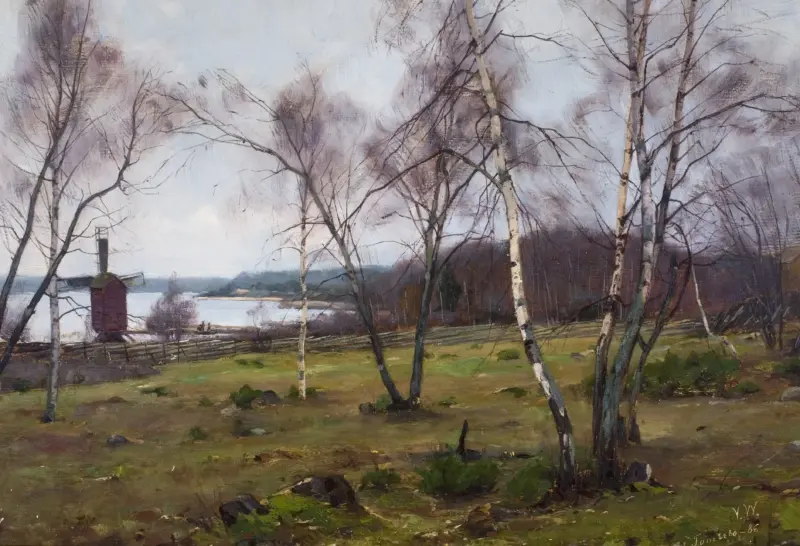
Museums & Folklore
mÅland – Önningeby Artists Colony
25.11.2026 – 21.2.2027 at 10:00 – 17:00
Tikanoja Art Museum
-
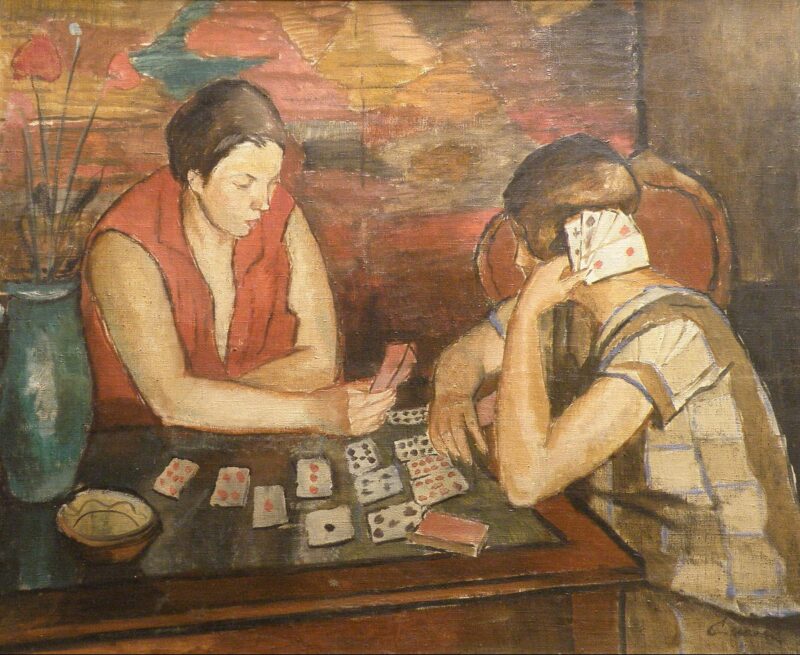
Museums & Folklore
Fortuna
25.11.2026 – 7.3.2027 at 10:00 – 17:00
Ostrobothnian Museum
-
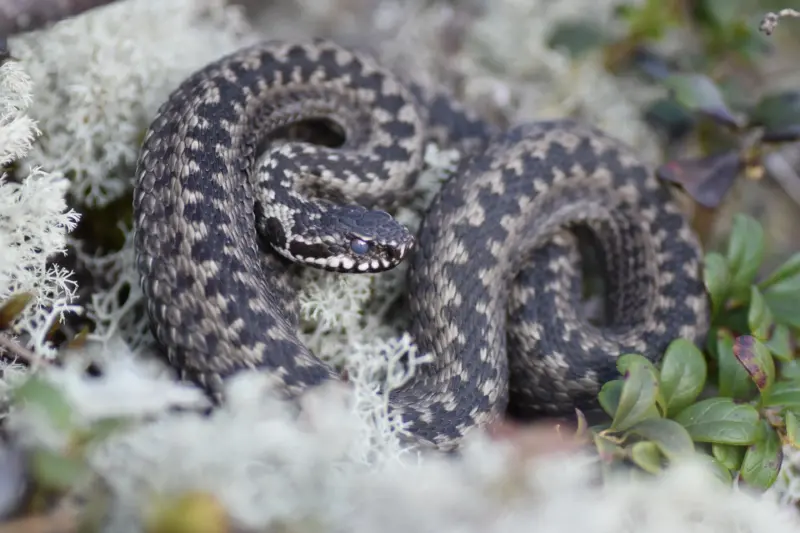
Museums & Folklore
The Viper and its Cousins
25.11.2026 – 30.12.2027 at 10:00 – 17:00
Ostrobothnian Museum
-
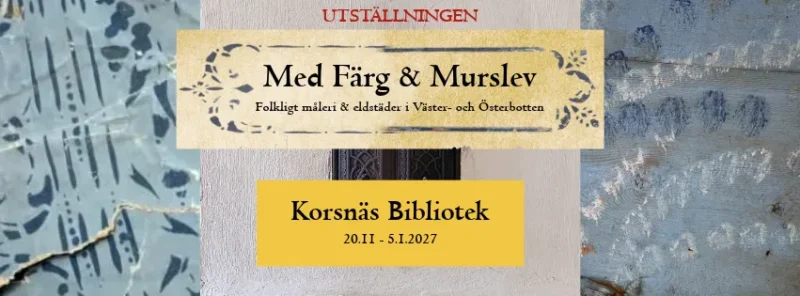
Museums & Folklore
“Maalilla Muurauslastalla” Korsnäsin kirjastossa
28.11.2026 at 11:00 – 14:00
Korsnäsin kirjastossa, Silverbergsvägen 9, Korsnäs

Vaasa Region Tourism Ltd.
Tourist information
Visit Vaasa’s office
Vaasanpuistikko 12, Vaasa
Open Mon-Fri: 10 am to 3 pm
Special hours:
24.-25.12.2026 closed
+358 40 123 8977 |
visit.vaasa@visitvaasa.fi