
Museums and exhibition
Discover the museums and exhibitions of the Vaasa region! Explore the region’s history, art and culture and find fascinating places to visit – from local history to contemporary art.
-
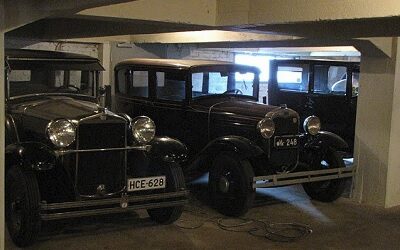
In the Vaasa Car and Engine Museum are displayed vehicles from each decade of the 20th century. Come and get acquainted with the widest collection of old and a little newer cars in Vaasa. On display are also a wide selection of products from engine factories in Vaasa as well as some theme exhibitions.
The Vaasa Car and Engine Museum opened its doors in 1981. There are motors and cars in the museum all the way from the beginning of the 20th century to the present day. The history of traffic and vehicles is displayed in the museum with the help of renovated cars and other vehicles. Among these can be mentioned the horse-drawn ambulance dating back to 1909.
There are also several fire trucks and other fire fighting equipment on view, and let’s not forget the bicycle. The vast collection of bicycles in the museum offers the visitor the possibility to get acquainted with the trajectory of this vehicle. In addition there are some soapbox cars, snowmobiles, motorcycles and mopeds in the collection.
-
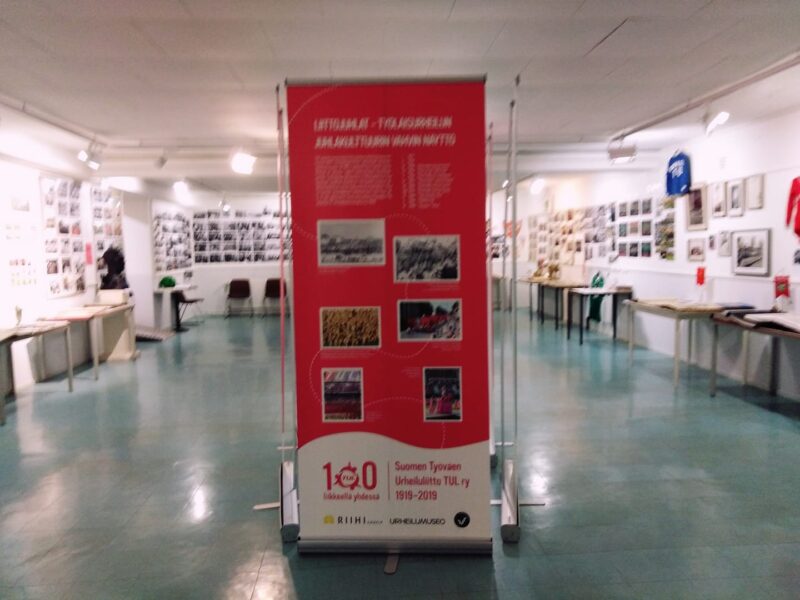
Vaasa Museum of Labour opened in 1991. In addition to the permanent exhibitions, the museum arranges special exhibitions on a particular theme twice a year. The main purpose of the museum is to develop it into a diverse information centre for working class traditions. The museum also provides tailor made study visits for schools.
-
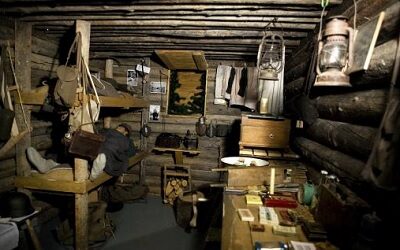
In the exhibition you can familiarize yourself with Finland’s war history all the way from the time of the Russian rule to the end of the Lapland war.
In addition to the basic exhibition the Vaasa War Veteran Museum annually organizes one or two special exhibitions. The museum’s permanent exhibition displays with numerous items soldier and war history from the last two centuries.
-
The Verner Rasmus Museum is an exceptional museum with a unique collection of porcelain artefacts. The museum is a versatile visiting destination with its fascinating combination of peasant furniture, agriculture equipment and books.
Verner Rasmus was a peasant, who lived in Vörå during the years 1901-1988. He dwelled on his homestead Arvidsgården together with his three siblings, Viktor, Arvid and Aina. The main building of Arvidsgården dates back to 1913. Verner lived in Vörå all his life except for the few years (1927-1931) he spent in Canada. He made his living by farming, but he was also an amateur musician, tinkerer, painter and collector.
-
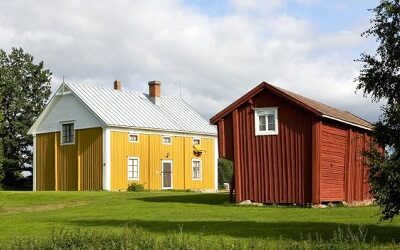
The Vähäkyrö Museum is situated in an old loan magazine on the brink of the Kyrö river. The exhibition recounts life in the old times, and it has been divided into various themes, for instance the birth of children, spiritual life, agriculture and wartime. The entrepreunership of the Vähäkyrö people can be seen in the collections, and the museum also offers an extensive view on the history of Vähäkyrö.
The items in the museum depict the everyday life of peasants in the days of the past. There are fishing instruments, sleighs, agriculture and platers’ tools. An especially interesting collection displays possibly the oldest midwife’s equipment in Finland, and birth in the old time is represented in the exhibition. The exhibition is supplemented by a nurse’s uniform from the 1950s, by rattles, children’s books and cradles. Wash basins, which were included in the maternity package, were for a long time manufactured in Vähäkyrö. The first midwife of the region, Hilja Solkela, worked in Vähäkyrö in 1927-1958.
-
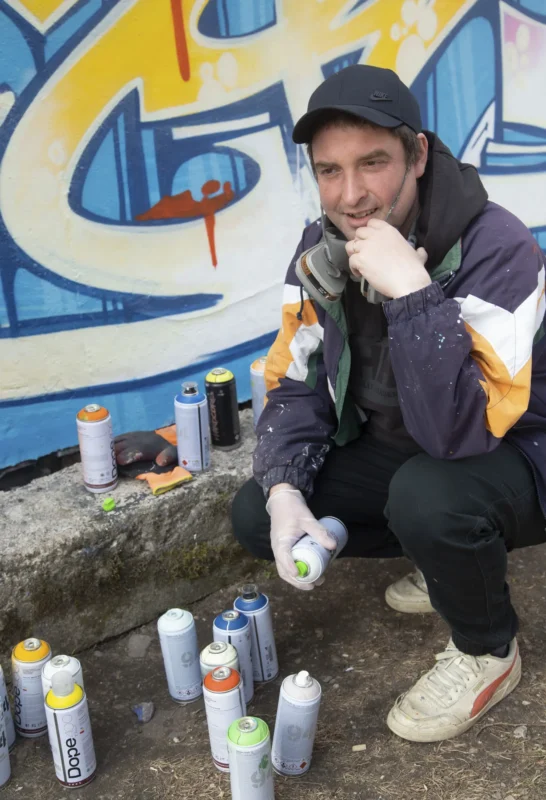
Wasa Graffitilandia is an exhibition dedicated to graffiti and street art, located on Opistokatu in Vaasa. Spanning 3,000 m², it features more than 230 artworks created by 200 artists from 20 countries.
In addition to graffiti and murals, visitors can explore UV art, media art, and a variety of art installations. Graffitilandia also includes a spray paint shop and a public wall where anyone can try graffiti painting. The exhibition features works by both Finnish and international artists, including Bates, 1UP and VILE.
By bringing graffiti into a gallery setting, Graffitilandia aims to help visitors see the art form from a new perspective. Many leave the exhibition with a greater appreciation of the skill, technique and practice required to create graffiti. The exhibition is both a tribute to graffiti artists and an effort to challenge common misconceptions about graffiti.
Every June, Graffitilandia also hosts Meeting of Styles, a free, three-day, all-ages graffiti festival featuring live painting sessions and live music performances.
-
Welcome to the World Heritage Gateway – the visitor centre of the Kvarken Archipelago World Heritage area
At the World Heritage Gateway, you can familiarise yourself with the World Heritage Kvarken Archipelago, which is the best place in the world to experience the land uplift after the last Ice Age! Here is our visitor centre summarised:
- Information lobby gives you an overview of our World Heritage with texts, videos, animations and brochures year-round and free of charge.
- Open gallery Arte Mare showcases the work of local artists year-round and free of charge.
- Main exhibition Weichsel tells the story of our World Heritage through the senses against a small entrance fee.
- Shop with World Heritage products and small souvenirs is open during summer season.
- Escape Game Kvarken’s Sea Monster can pre-booked online year-round.
- Guided tours and presentations can be pre-booked via our customer service year-round.
The service and texts within World Heritage Gateway is available in English, Swedish and Finnish.
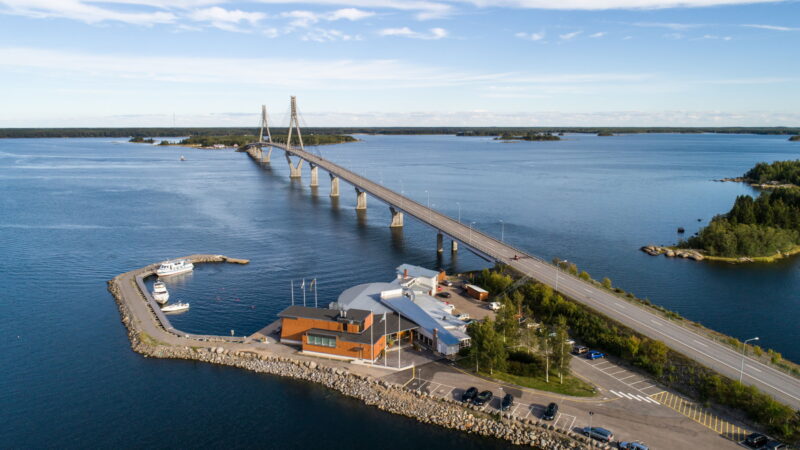
If you get hungry, the Restaurant & Cafe Berny’s offers meals and coffee in the same premises year-round. You can find Berny’s website and opening hours here. Finland’s longest bridge, Replot bridge, is located just next door and is an ideal place for a refreshing walk and taking in the scenery.
For more detailed information about opening hours, services and fees, visit our homepage.

Current exhibitions and events at museums
-
Museums & Folklore
Näyttely – Jon Gredmark

24.11.2026 – 5.1.2027 at 08:00 – 21:00

Galleri Campus Norrvalla, Vöyrintie 305, Vörå
-
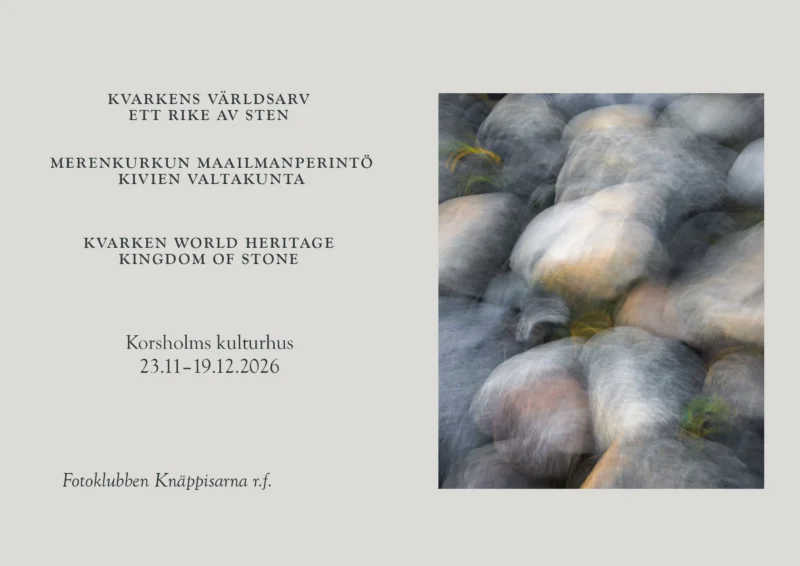
Museums & Folklore
KVARKEN WORLD HERITAGE – KINGDOM OF STONE
24.11.2026 – 19.12.2026 at 09:00 – 20:00
Korsholms kulturhus, Skolvägen 1 KORSHOLM
-
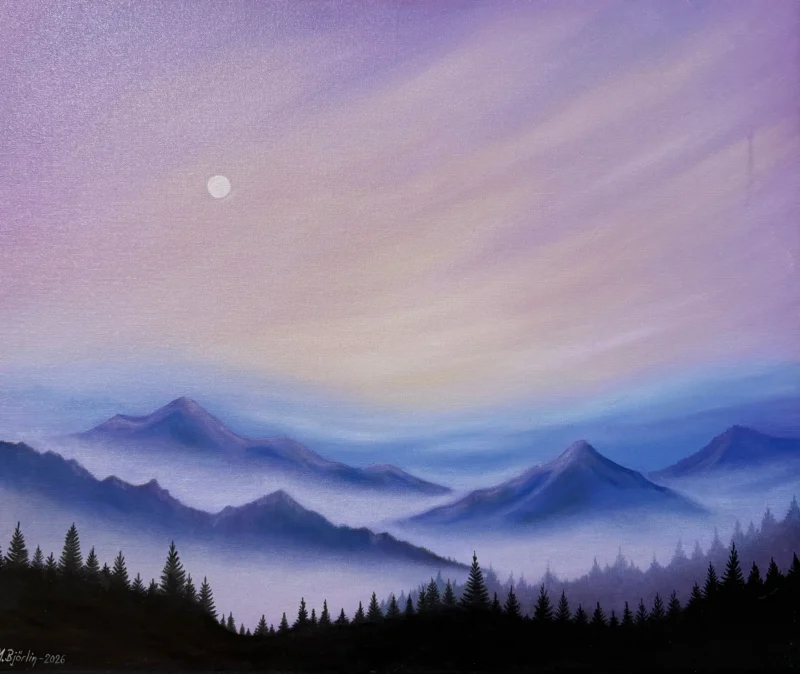
Museums & Folklore
Annual Exhibition of Vasa Art Club 2026
24.11.2026 – 18.12.2026 at 12:00 – 18:00
Pitkäkatu 66, Vaasa
-
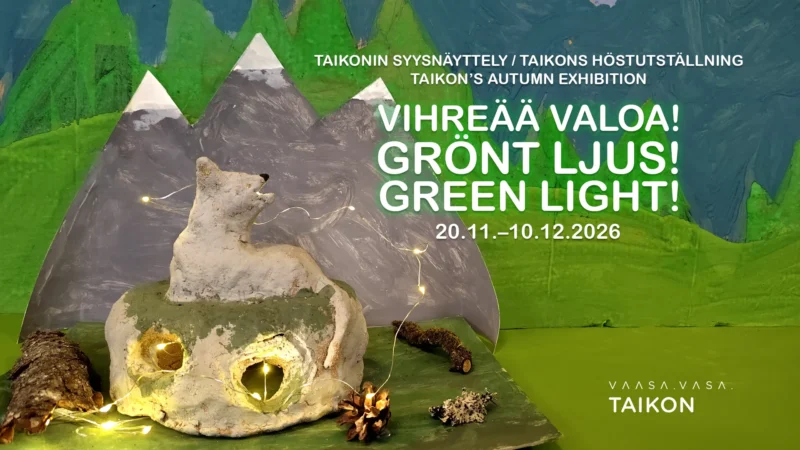
Museums & Folklore
TaiKon’s autumn exhibition: Green Light!
24.11.2026 – 10.12.2026 at 16:00 – 20:00
TaiKon, Kasarmi 11, Itäinen Kasarmi 7–9, Vaasa
-
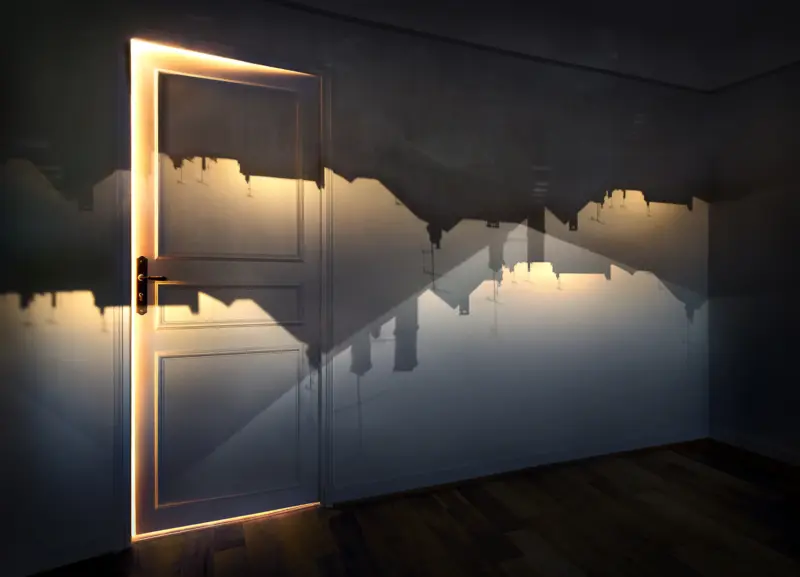
Museums & Folklore
Marja Pirilä – Camera Obscura
25.11.2026 – 10.1.2027 at 10:00 – 17:00
Kuntsi Museum of Modern Art
-
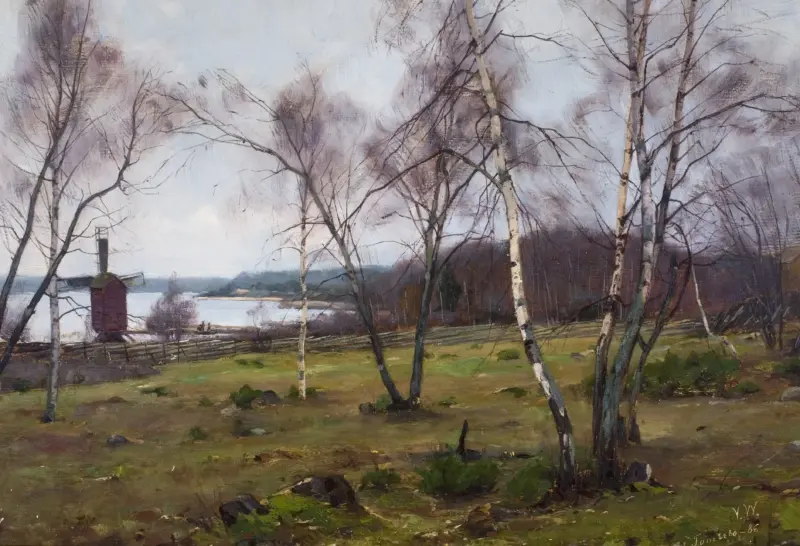
Museums & Folklore
mÅland – Önningeby Artists Colony
25.11.2026 – 21.2.2027 at 10:00 – 17:00
Tikanoja Art Museum
-
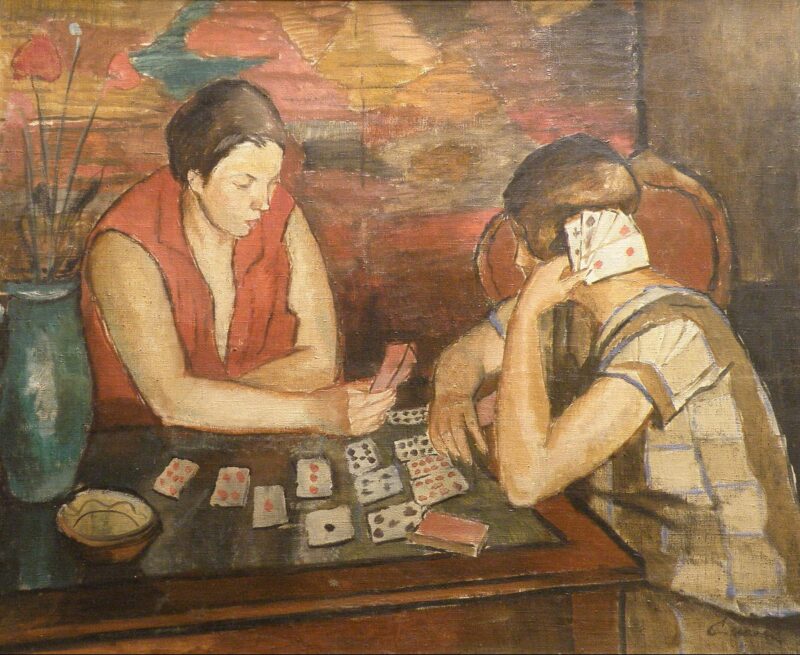
Museums & Folklore
Fortuna
25.11.2026 – 7.3.2027 at 10:00 – 17:00
Ostrobothnian Museum
-
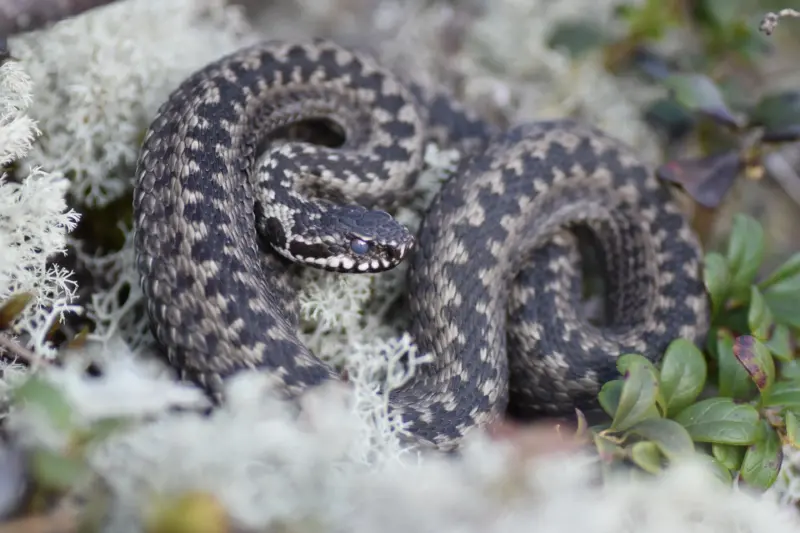
Museums & Folklore
The Viper and its Cousins
25.11.2026 – 30.12.2027 at 10:00 – 17:00
Ostrobothnian Museum
-
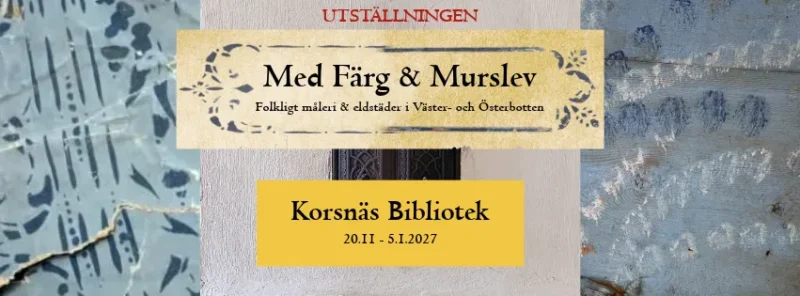
Museums & Folklore
“Maalilla Muurauslastalla” Korsnäsin kirjastossa
28.11.2026 at 11:00 – 14:00
Korsnäsin kirjastossa, Silverbergsvägen 9, Korsnäs

Vaasa Region Tourism Ltd.
Tourist information
Visit Vaasa’s office
Vaasanpuistikko 12, Vaasa
Open Mon-Fri: 10 am to 3 pm
Special hours:
24.-25.12.2026 closed
+358 40 123 8977 |
visit.vaasa@visitvaasa.fi