
Museums and exhibition
Discover the museums and exhibitions of the Vaasa region! Explore the region’s history, art and culture and find fascinating places to visit – from local history to contemporary art.
-
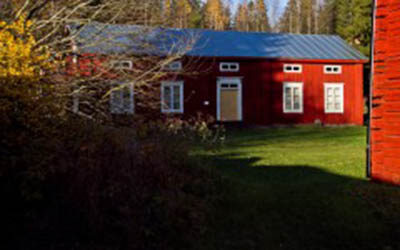
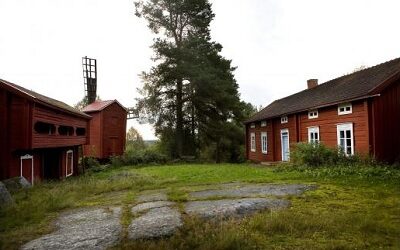
In the Myrbergsgården museum the visitor can get acquainted with the peasant way of life in the old times as well as with one of the finest garment and textile collections in the municipality. In one of the houses across the yard can be seen a unique gathering of beautifully painted church sleighs, which the people of the house used in order to get to the church on Sundays.
The Myrbergsgården museum area in Vörå nowadays consists of around 17 buildings, which have been relocated on the region from different villages in Vörå. In addition to the agrarian house here can be found for instance a functioning smithy and a windmill. To the museum also belongs a loan grain magazine from the year 1753, which is among the three first ones in Ostrobothnia.
The museum’s textile collection is one of the finest in the municipality and it comprises of approximately 6 000 various textiles.
-
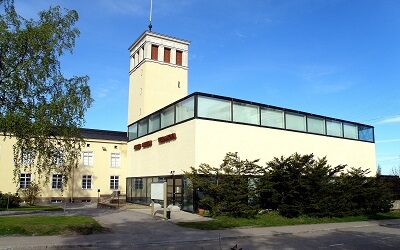
The museum is located in Marianpuisto Park, which is under a 15-minute walk from Vaasa Market Square. The museum was established in 1895 and it functions as the historical museum of the City of Vaasa and as a museum of natural science for Ostrobothnia. The museum focuses mainly on cultural history, art and natural science.
Between three and five changing exhibitions are held annually. In addition to the temporary exhibitions, there are three permanent collection exhibitions corresponding to the museum’s main areas of focus. The Hedman Floor houses antiques and works of art, Vaasa 400 – which is a city history exhibition – and the Terranova exhibition, which informs the visitor about the natural environment in the Kvarken region and the World Heritage Site. The museum offers enjoyable experiences for visitors of all ages as well as information and ideas for teaching cultural history, local history, natural science and art.
-
Petalax museum is situated just across from the church of Petalax. The museum is an important part of the traditional buildings that the local historical society owns in the church square. The lower floor of the museum is decorated like an old peasant’s cottage. On the upper floor there are collections of various objects.
-
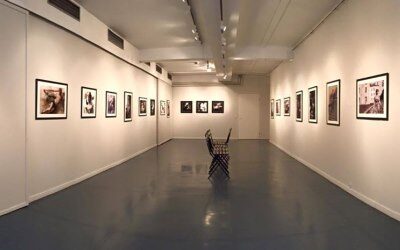
IBIS is the only gallery in Vaasa which is completely concentrated in photo arts.
-
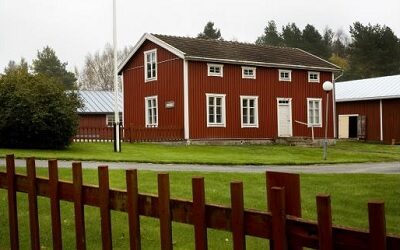
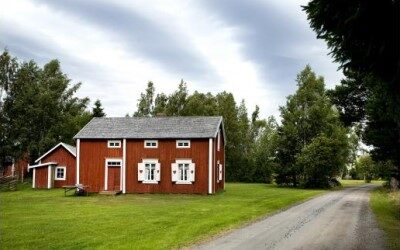
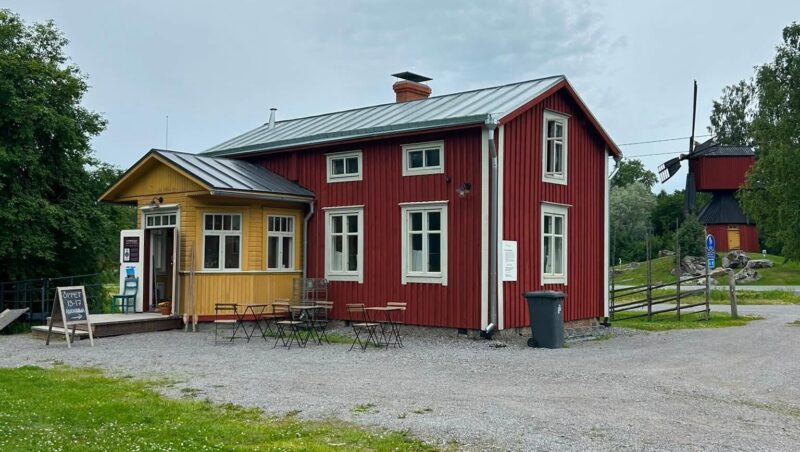
On the Rejpelt Fädernegården the visitor gets an idea about country life at the end of the 19th century. The cabin’s interior, which is typical for the period, offers the framework for exploring local historical items. The girls’ barn with its colourful textiles is also truly worth a visit. In the proximity of the museum is the Munter’s soldier cottage, which is connected to The Tales of Ensign Ståhl.
Fädernegården is a typical Ostrobothnian double cabin, built in 1852. The house was relocated on the area in the 1950s and the museum area has been constructed on the model of a peasant house with its lofts and barns. All of the museum’s buildings originate from Rejpelt, except for the windmill, which has been transferred from Korsnäs.
-
The Replot Local Museum is situated on the Alexandersgatan in the middle of the village of Replot. The museum represents a typical islander farm. In the collections are both utensils and furniture from the 18th and 19th century and handmade clothing for both the young and the old.
-
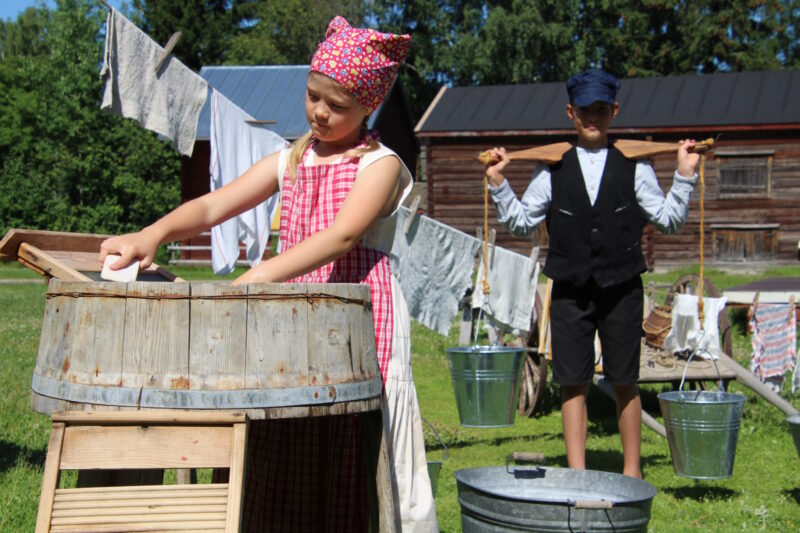
Stundars is a large open-air museum in Solf village, about 15 kilometers south from Vaasa. The museum tells the stories of what life was like for the peasantry, craftsmen and lower social classes on the Swedish-speaking countryside, from Oravais in the north to Pörtom in the south, during the period of 1870-1920. The museum village have about 70 buildings including a country shop, a school, a farmstead, and crofters’ cottages.
Come see where the Ostrobothnian forefathers slept, ate and laughed – how did they really fit in the short bunkbeds? Maybe we’ll have an old-time washing day when you visit, or maybe we’ve made coffee over the fire and you’ll get a cup? Or maybe you’d just like to stroll around the picturesque museum village in your own pace and maybe, just maybe hear the grey timber walls whispering of times gone by…?
The Stundars Open-Air Museum area is open for recreation all year round, but during the summer season the cottages of the museum village are open every day. Outside opeing hours you are free to take a stroll in the open-air museum, but the cottages will be closed.
Stundars’ museum village offers an opportunity to walk through historical landscapes, next to farms, village schools, and crofters’ cabins. Through Stundars it is easy to walk further to the Söderfjärden hiking trail, to explore the former wetlands in the giant meteor crater, as well as climb up the bird-watching tower. The Stundars trail is also a part of the pilgrim’s way St Olav Ostrobothnia. We welcome you to enjoy a walk through dog-friendly Stundars.
On Thursdays during autumn, winter and spring, there are free guided tours and other activities at the museum from 12 to 3 pm, as advertised. You can find a more detailed program in our calendar, and on our Facebook-page and Instagram account. During the Museum-Thursdays, there is free entrance.
-
Sundom Local Heritage Museum is located in the village of Sundom and is operated by the Sundom Village Association. The museum grounds feature several historic buildings that showcase the history and cultural heritage of Sundom. During July, the museum is open to visitors in connection with the summer café, and it also opens during special events throughout the year. Visits can also be arranged by appointment, with guided tours available on request. The museum is a welcoming place where local history and traditions are preserved for future generations.
-
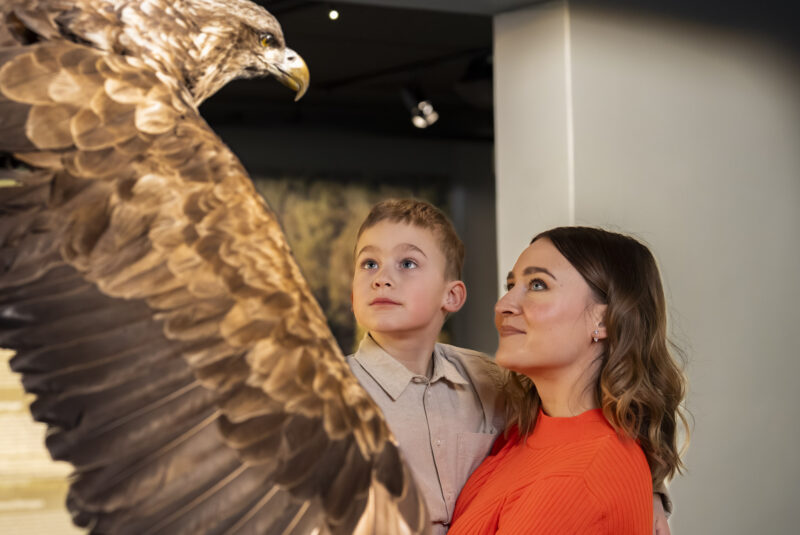
Terranova is the name of the museum’s permanent natural science exhibition. Terranova is Latin for ‘new land’. In the Kvarken region the ´new´ land rises from the sea at a rate of 9 mm per year. Terranova was opened in 2002 in cooperation with the Ostrobothnian Museum, the Finnish Forest and Park Service Metsähallitus and the Ostrobothnia Australis Association.
Terranova presents nature in the Kvarken and Vaasa region from the Ice Age until the present day. Visitors can wonder at the land uplift phenomenon and its consequences, admire the beautiful Kvarken Archipelago and its fauna with all their senses.
Terranova is also privileged to present a unique natural heritage site: The Kvarken Archipelago was entered in UNESCO’s World Heritage List in 2006 – the only natural site in Finland to be included so far. Together with the High Coast of Sweden, it forms a natural heritage site. The area was given the status of world heritage because post-glacial rebound is more visible here than anywhere else in the world. More information about the High Coast and the Kvarken Archipelago World Heritage is available at www.merenkurkku.fi and www.naturumhogakusten.se.
-
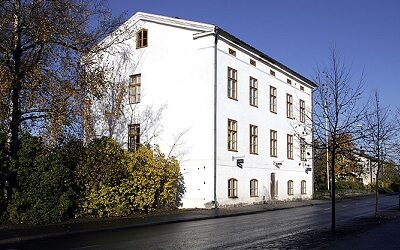
The Museum of Old Vaasa is located in the Wasastjerna House, in the city quarter known as Old Vaasa. You can learn about the history of Vaasa before the fire of 1852, which destroyed most of the city as it was then.
The museum’s ticket sales desk offers a small selection of cards, historically-themed museum shop items and books. The vaulted storage room on the ground floor functions as a café, Falander’s Cellar, which during the summer serves coffee, tea and soft drinks.
-
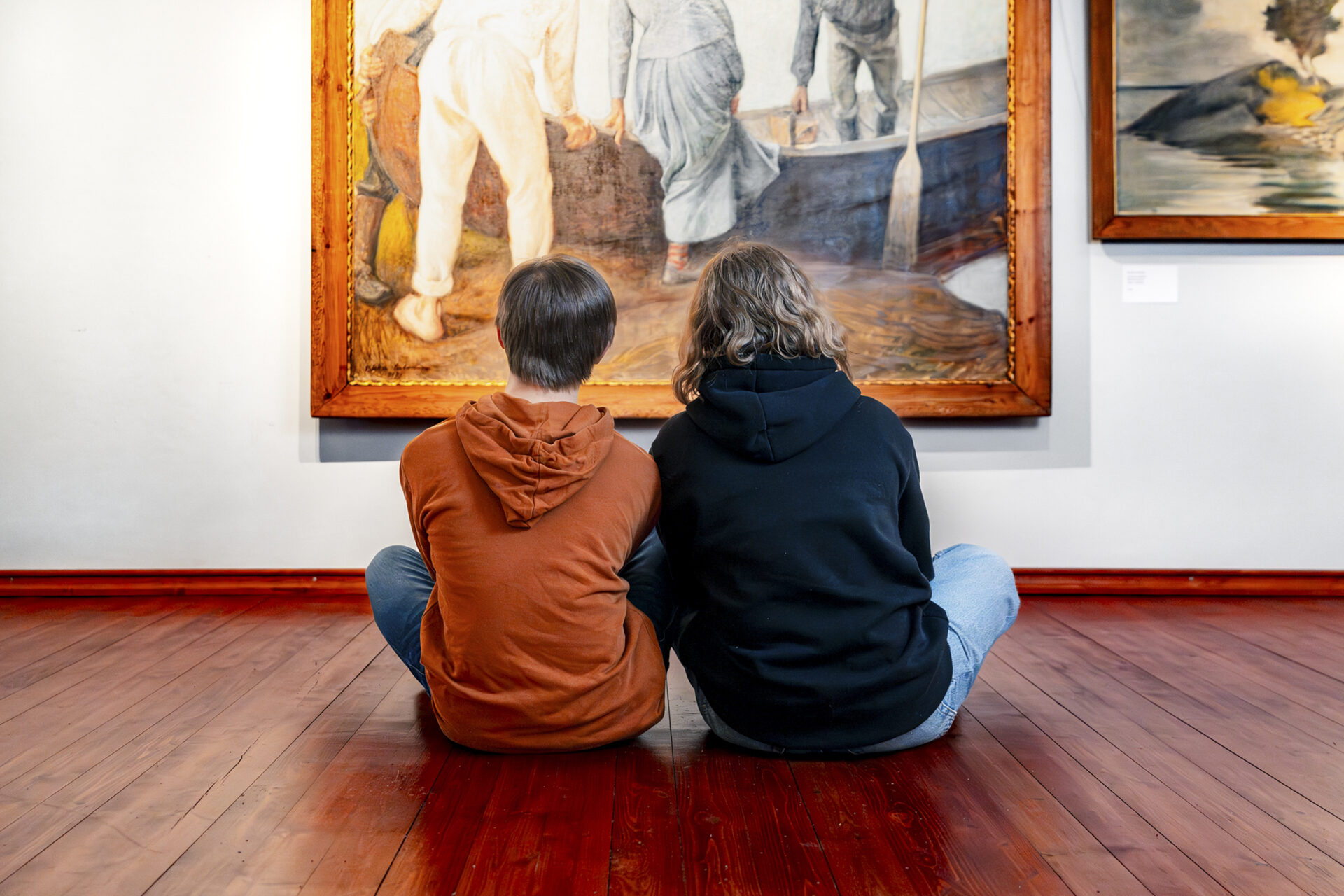
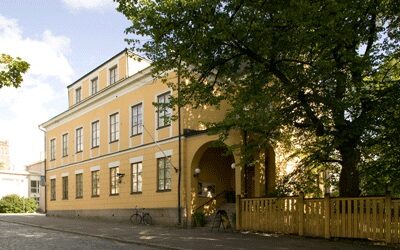
The Tikanoja Art Museum is located in the centre of Vaasa. The museum organizes exhibitions of older Finnish and international art, thematic cultural-historical exhibitions as well as changing displays of its own collections.
A pedagogical touch and museum pedagogical activities related to exhibitions play an important role at the Tikanoja Art Museum. The Tikanoja Art Museum is a vivid museum that also offers cross-disciplinary art performances.
The Tikanoja Art Museum came into being as a result of the love of art of a local businessman, Commercial Counsellor Frithjof Tikanoja (1877-1964). The Tikanoja collection includes an exceptionally remarkable section of foreign art in Finland with an emphasis on French paintings from the 19th and early 20th centuries.
-
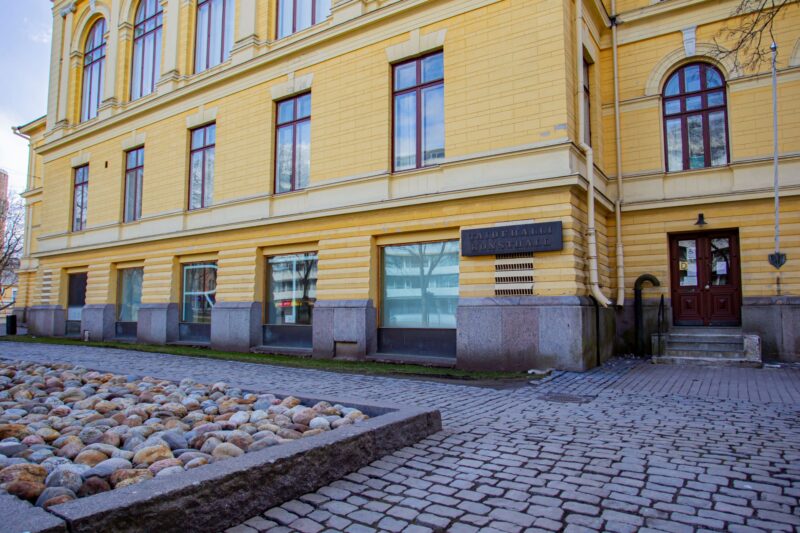
Vasa Art Hall and Gallery is a non-commercial art gallery maintained by the Vaasa Artists’ Guild.
The gallery is located in the Vaasa City Hall (entrance from Raastuvankatu) right in the center of Vaasa. The gallery exhibits contemporary art in solo and group exhibitions, featuring both domestic and foreign artists.
The hall is divided into three parts. The large hall hosts exhibitions lasting 8 weeks, while the small gallery changes its exhibition every month. The third space functions as an art library. Adjacent to this, there is also a fourth space where the IBIS Photo Gallery holds its exhibitions.
Current exhibitions and events at museums
-
Museums & Folklore
Näyttely – Jon Gredmark

24.11.2026 – 5.1.2027 at 08:00 – 21:00

Galleri Campus Norrvalla, Vöyrintie 305, Vörå
-
Museums & Folklore
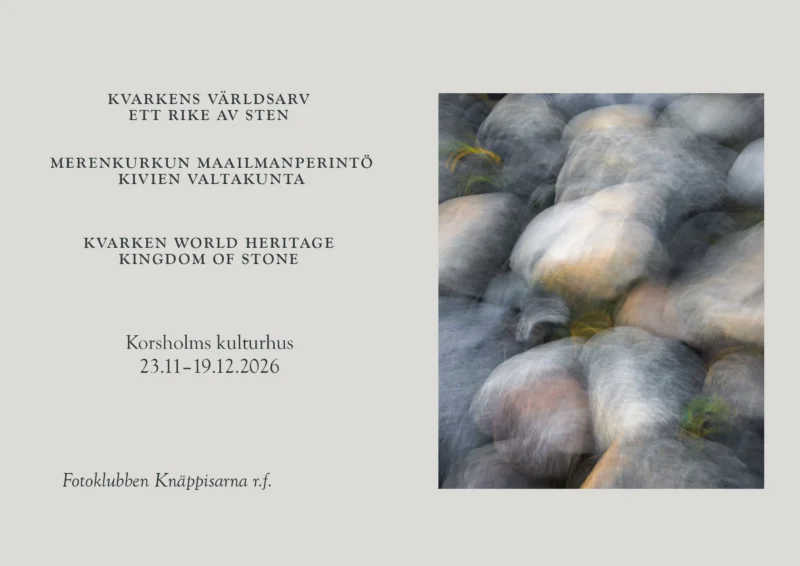
KVARKEN WORLD HERITAGE – KINGDOM OF STONE
24.11.2026 – 19.12.2026 at 09:00 – 20:00
Korsholms kulturhus, Skolvägen 1 KORSHOLM
-
Museums & Folklore
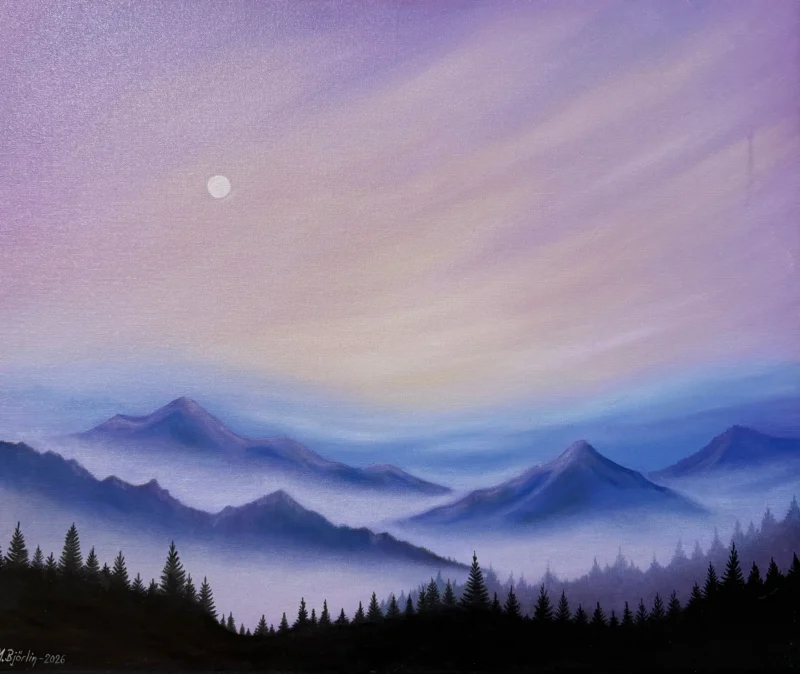
Annual Exhibition of Vasa Art Club 2026
24.11.2026 – 18.12.2026 at 12:00 – 18:00
Pitkäkatu 66, Vaasa
-
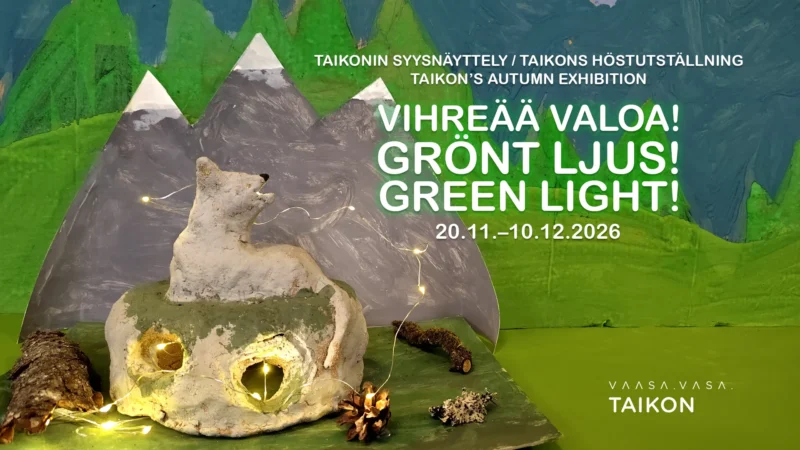
Museums & Folklore
TaiKon’s autumn exhibition: Green Light!
24.11.2026 – 10.12.2026 at 16:00 – 20:00
TaiKon, Kasarmi 11, Itäinen Kasarmi 7–9, Vaasa
-
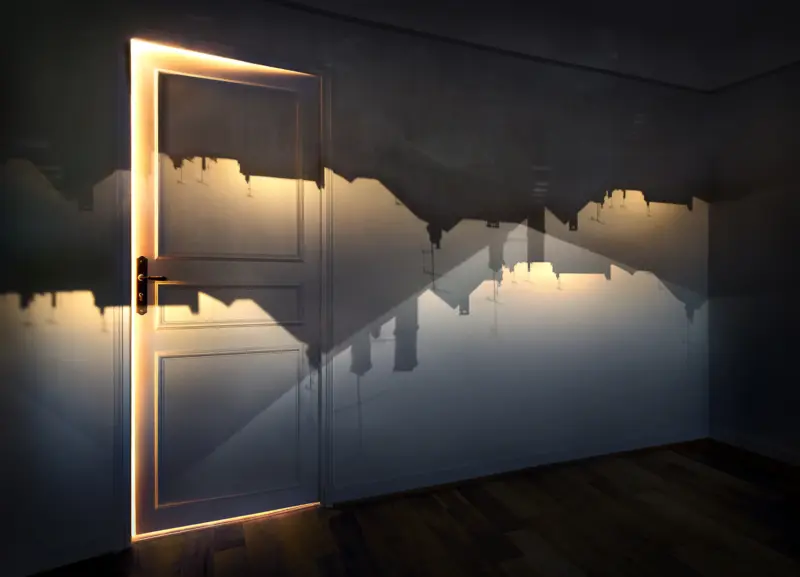
Museums & Folklore
Marja Pirilä – Camera Obscura
25.11.2026 – 10.1.2027 at 10:00 – 17:00
Kuntsi Museum of Modern Art
-
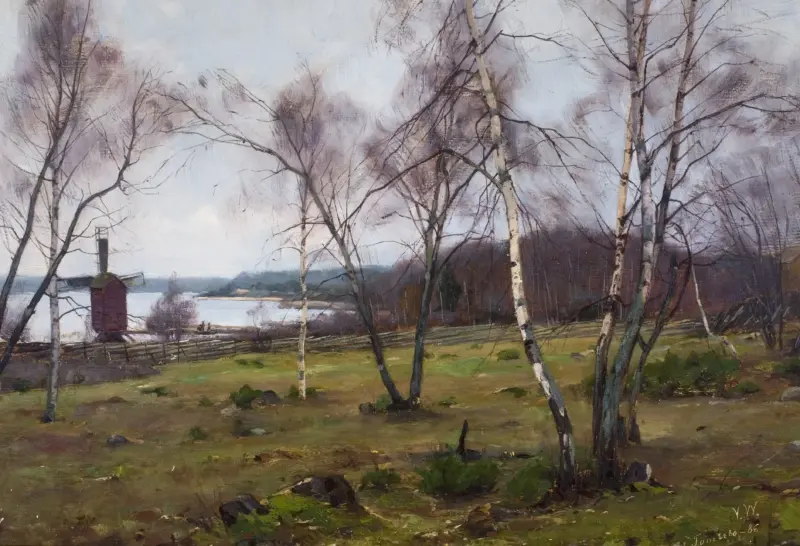
Museums & Folklore
mÅland – Önningeby Artists Colony
25.11.2026 – 21.2.2027 at 10:00 – 17:00
Tikanoja Art Museum
-
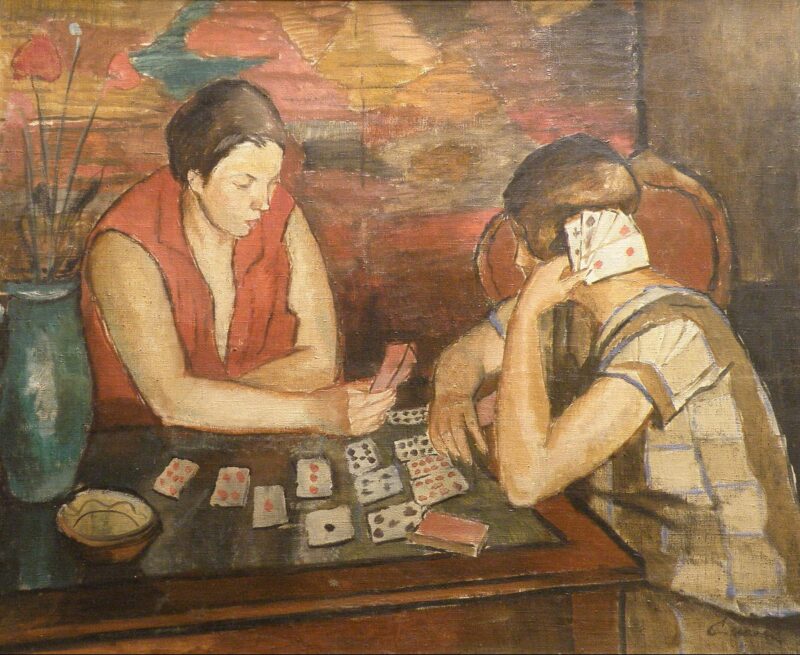
Museums & Folklore
Fortuna
25.11.2026 – 7.3.2027 at 10:00 – 17:00
Ostrobothnian Museum
-
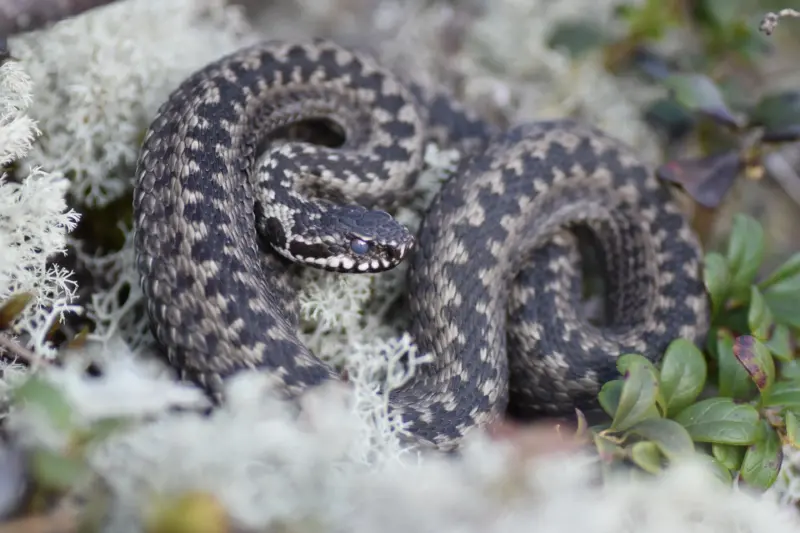
Museums & Folklore
The Viper and its Cousins
25.11.2026 – 30.12.2027 at 10:00 – 17:00
Ostrobothnian Museum
-
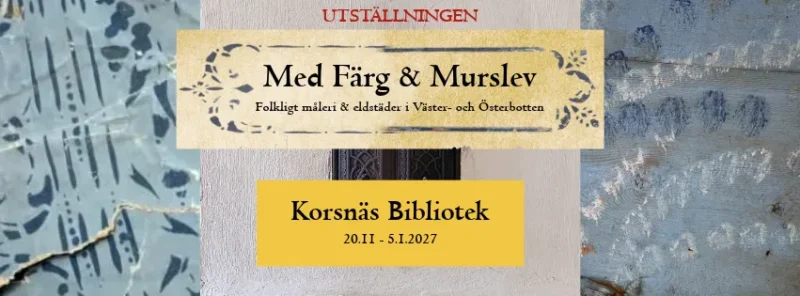
Museums & Folklore
“Maalilla Muurauslastalla” Korsnäsin kirjastossa
28.11.2026 at 11:00 – 14:00
Korsnäsin kirjastossa, Silverbergsvägen 9, Korsnäs

Vaasa Region Tourism Ltd.
Tourist information
Visit Vaasa’s office
Vaasanpuistikko 12, Vaasa
Open Mon-Fri: 10 am to 3 pm
Special hours:
24.-25.12.2026 closed
+358 40 123 8977 |
visit.vaasa@visitvaasa.fi