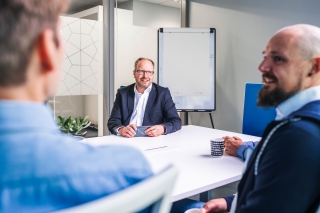
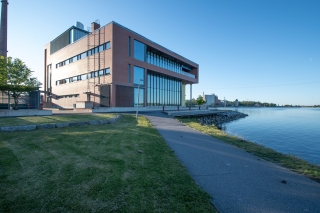
This series highlights the companies, innovations and faces of the EnergyVaasa cluster – while offering a closer look at what collaboration within the cluster looks like in practice. This time, we visit Wapice, where Jari Kuusisto, Director of Smart City Business, shares how digitalization, AI and smart city solutions are helping cities make better use of data to accelerate the clean transition.
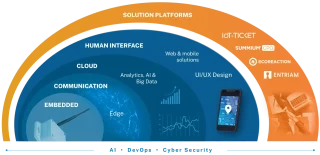
Wapice is a Finnish technology company specializing in industrial digitalization, IoT, data platforms and AI. Through its IoT-TICKET platform, the company helps cities, energy companies and other organizations collect, combine and utilize data from existing systems to improve decision-making, optimize operations and create smarter digital services.
Scroll down to discover how Wapice is turning fragmented data into practical solutions for smarter cities, how collaboration within the EnergyVaasa cluster supports innovation, and to get to know Jari Kuusisto – one of the people driving the company’s Smart City business.
A recent success story: IoT-TICKET Smart City Platform – click to read
What problem are you solving with this innovation – and how?
Cities and large organizations already generate enormous amounts of valuable data, but it is often scattered across separate systems. Traffic, buildings, lighting, energy, weather, maintenance and event data frequently exist in isolation, making it difficult to use effectively in daily decision-making.
With the IoT-TICKET platform, Wapice brings this information together into a common data and application layer where it can be collected, harmonized, analyzed and transformed into practical applications. The platform is already supporting smart city development in Tampere through people flow forecasting, traffic analytics and city situational awareness, while similar solutions are gradually being developed in Vaasa.
What makes your technology unique?
Rather than replacing existing infrastructure, Wapice focuses on making better use of what cities already have. IoT-TICKET is device- and vendor-independent, allowing existing systems, sensors and technologies to work together regardless of supplier.
The platform also combines low-code and no-code tools with AI-powered forecasting, anomaly detection and automated analysis, making advanced technology accessible for city experts without requiring software development expertise. At the same time, Wapice sees secure European data platforms as an increasingly important part of future digital infrastructure.
What’s next for this innovation?
The next step is to make the platform even more intelligent through AI-supported tools, forecasting capabilities and reusable applications that help organizations move faster from collecting data to creating measurable operational impact.
Looking ahead, Wapice envisions a more open innovation model where cities can share applications, learn from one another and build on a common digital foundation instead of solving the same challenges independently.
Building smarter cities for the clean transition – click to read

How does your work contribute to the clean transition?
For Wapice, the clean transition is often about making better use of existing resources rather than building entirely new infrastructure.
Through smarter traffic planning, intelligent street lighting, energy-efficient buildings and data-driven maintenance, cities can reduce energy consumption, optimize mobility, lower emissions and improve public services. Better access to data also enables more informed decisions, reducing unnecessary maintenance visits and making existing infrastructure work more efficiently.
What new trend in clean energy is most exciting – or most challenging – for your company right now and how are you responding to it?
One of the most significant developments is the convergence of IoT, AI and real-time operational data. Organizations are moving beyond simply collecting information toward forecasting future events and automating decision-making.
The challenge remains that many organizations still operate fragmented systems and data silos. Wapice addresses this by developing open, integration-friendly platforms that make it easier to connect existing systems, reuse infrastructure and build scalable applications on shared data.
Faces of EnergyVaasa: Jari Kuusisto – click to read
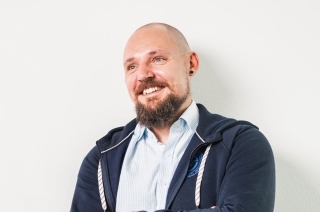
What is your role in the company and what does your workday look like?
I lead Wapice’s Smart City business. My work is a mix of business development, sales, partnerships, customer discussions, concept development and internal coordination.
A typical workday can include discussions with cities about future data platform needs, partner meetings around machine vision or building automation, preparing proposals, sparring with our product and AI experts, and planning how we take our solutions to new markets. It is a broad role, but that’s exactly what makes it interesting. I work at the intersection of technology, customer value, ecosystems and business strategy.
What’s something people might be surprised to learn about your work?
Many people probably think smart city development is mainly about futuristic technology. In reality, it’s much more about people, trust and practical change management. The technology is important, but the real challenge is getting different organizations, systems and experts to work together towards the same goal.
A lot of the most valuable work is surprisingly practical: reducing manual work, connecting existing systems, helping someone make better decisions, or making city services work a little smarter every day.
What’s one project or achievement you’re especially proud of?
I’m especially proud of our long-term smart city collaboration with the City of Tampere. It has shown how a city-scale IoT and AI platform can grow from individual use cases into a broader digital foundation for city development. 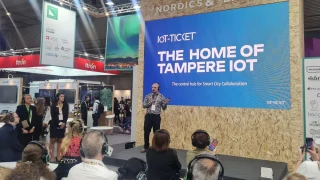
I’m also proud that we’ve been able to build on that experience in Vaasa. The combination of city development, clean transition, energy expertise and close collaboration between companies and universities makes Vaasa a unique place to develop practical smart city solutions with international relevance.
If budget and time were no issue – what dream project would you launch tomorrow?
I would build a European open city innovation platform where cities, companies, universities and startups could develop reusable applications together.
My vision is a collaborative ecosystem where cities can share solutions, build on each other’s successes and create smarter, cleaner and more resilient communities by combining data, AI, cybersecurity and local innovation.
What advice would you give someone seeking opportunities in the EnergyVaasa cluster?
Be active, stay curious and don’t be afraid to contact people. The EnergyVaasa cluster has an incredible amount of expertise, but many opportunities begin with ordinary conversations.
I’d also encourage people to combine technical understanding with business and customer understanding. The clean transition needs both technology and people who can explain its value, build partnerships and turn ideas into practical projects. In the end, the best ideas are often the ones that solve real problems and create value for many different stakeholders.
Collaboration within the EnergyVaasa cluster – click to read
If a startup joined the cluster today, what’s the first thing you’d tell them to do?
Get close to real customer problems as quickly as possible. Instead of perfecting a product in isolation, spend time talking to customers, identifying concrete use cases and testing ideas with real data. Wapice also encourages startups to make use of the broader EnergyVaasa ecosystem, where companies, universities and the City of Vaasa create opportunities to develop and test new solutions together.
What role does collaboration with the cluster play for you?
The clean transition cannot be achieved by one company alone. Wapice sees the EnergyVaasa cluster as an environment where industrial digitalization, energy expertise, research and international business come together. Collaboration strengthens credibility, creates opportunities to connect expertise across organizations and helps showcase the region’s combined capabilities.
Give an example of how you used the EnergyVaasa cluster network.
Collaboration has strengthened Wapice’s work both nationally and internationally. Presenting smart city and clean transition solutions together with other companies from the Vaasa region creates a much stronger message than promoting individual solutions alone.
The cluster has also supported initiatives such as Vaasa Green Leaf, university collaboration and international smart city discussions, helping demonstrate the region’s practical innovation ecosystem.