In 1835 the city physician and city gardener Fredrik G. Sanmark rented the area of today’s Hietalahden Park and began building a villa park. Sanmark obtained saplings of trees and shrubs from Central Europe, and Pinus strobus pines even from North America. He also had a nursery in Hietalahden Park where, among others, saplings of maple, Canadian yew and Siberian larch were grown. Sanmark also built a villa building on the site.
After Sanmark moved away from Vaasa the Hietalahden Villa estate passed into the ownership of Carl Johan Boy. In 1846 Boy built the main building of Hietalahden Villa based on drawings by A. J. Linder. The building was surrounded by the sea on three sides, and servants cared for the garden as well as the estate’s numerous horses and cows. Boy developed the area in the style of a German landscape park. During his time Hietalahden Park featured an avenue of maples leading to the shore of the Southern City Bay and circular flower and shrub plantings bordered by lindens.
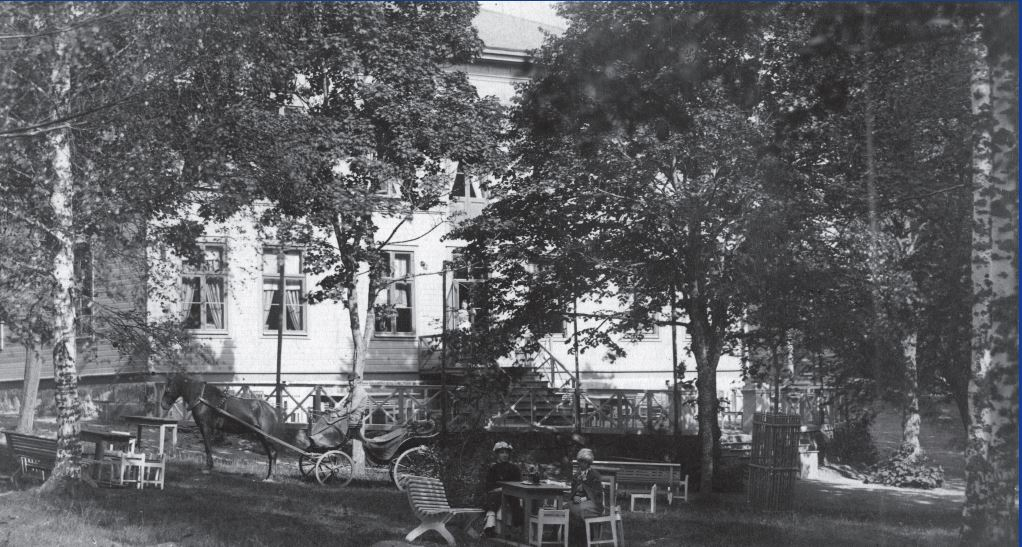
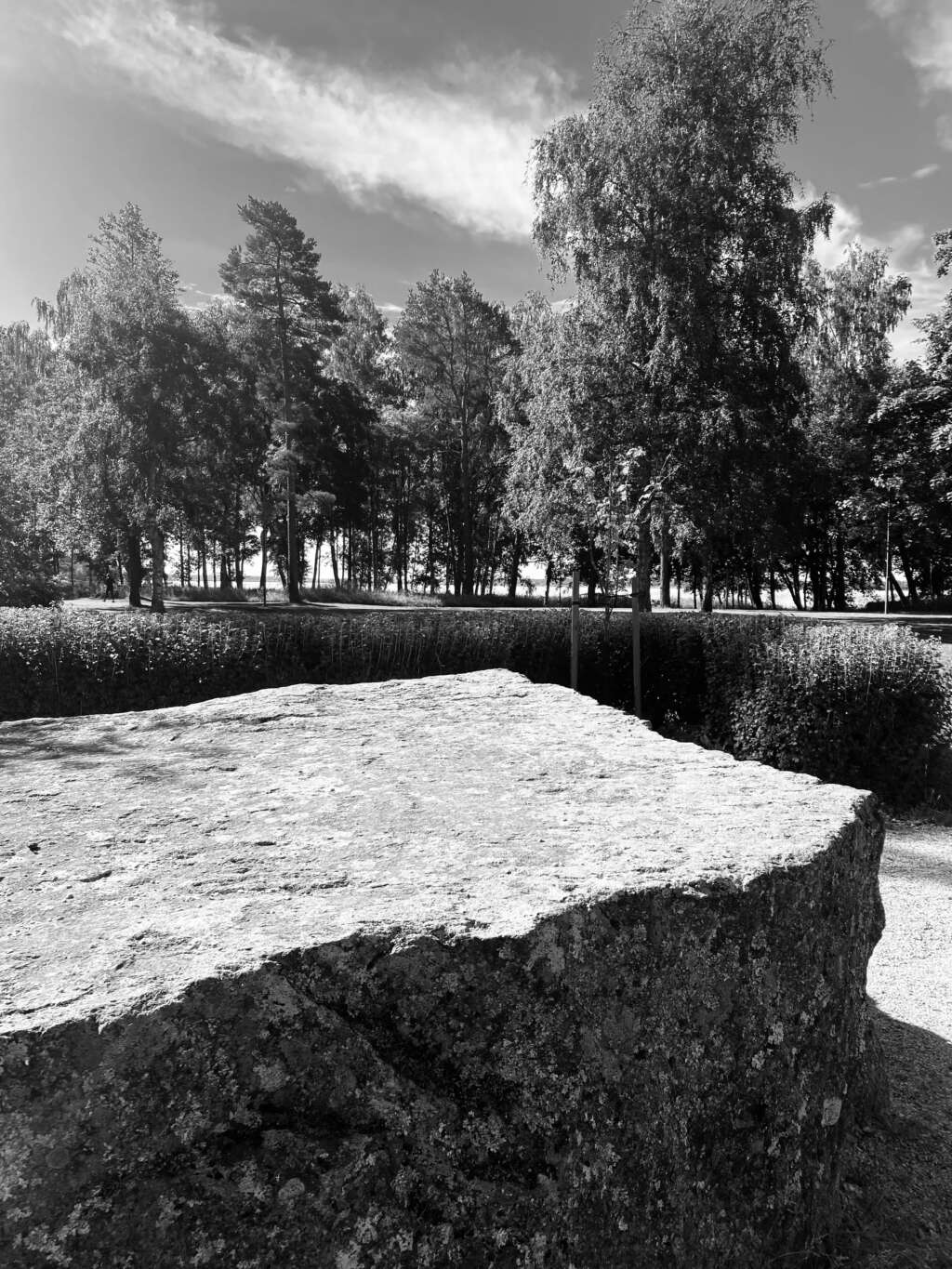
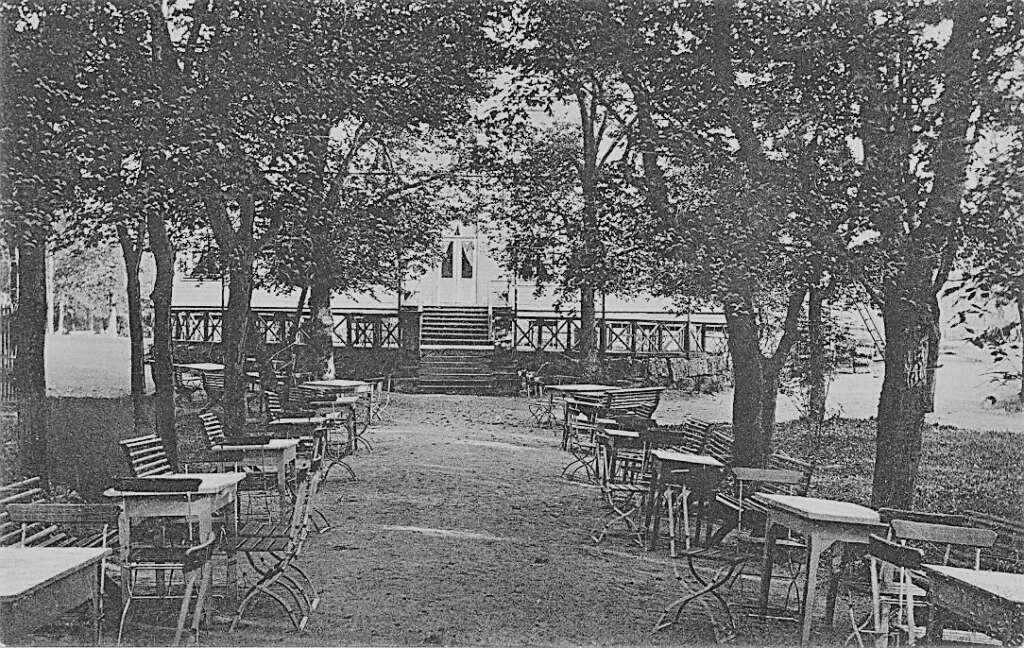
In 1874 cellar master Holmberg rented the main building of the Hietalahden manor and furnished it as a restaurant. The well-known national writers Runeberg and Topelius visited there. In the park of Hietalahden Villa is the so-called Totikivi, at which the gentlemen talked on warm summer evenings while looking at the beautiful coastal scenery and the Southern City Bay.
Statues and monuments of Vaasa
The city purchased Hietalahden Villa for itself in 1880 and rented it out for restaurant use. A plan to renovate the park was commissioned from the Stockholm landscape architect Sven Lindh. The plan was implemented gradually as opportunities allowed. The building was renovated in 1938–1939 and a semi-circular restaurant hall was built on its seaward side.
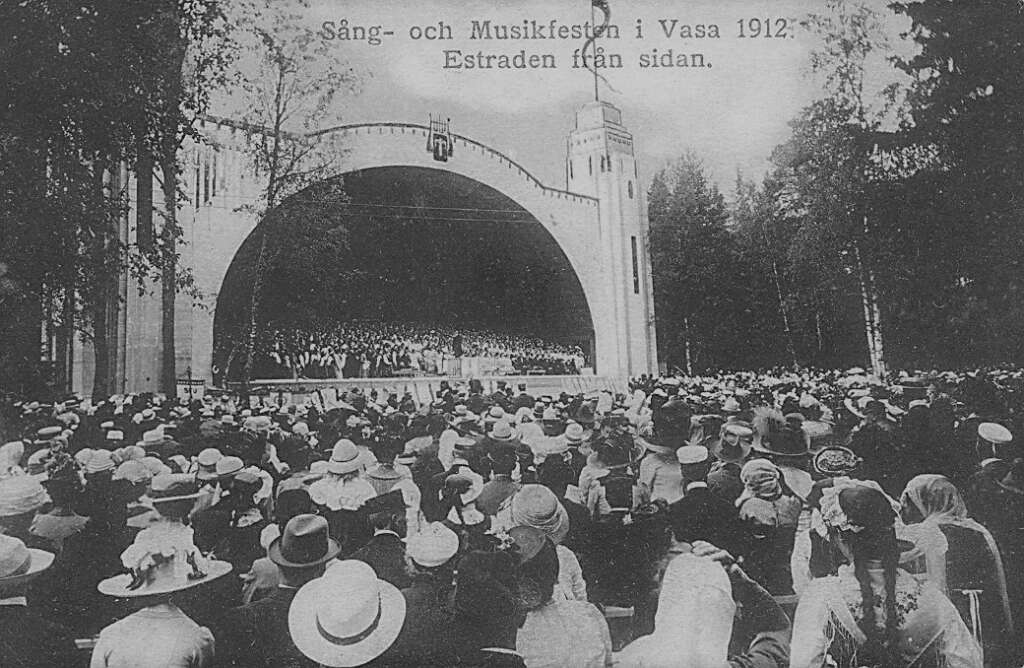
Many public celebrations were held in Hietalahden Park, the largest of which was the Swedish-language popular education society Folkupplysningsföreningen’s eighth song and music festival in the summer of 1894. The guest of honour at the festival was Zacharias Topelius, who wrote the Swedish-language lyrics to the Vaasa March. Performers at the festival included Jean Sibelius, Robert Kajanus and the painter Eero Järnefelt.