
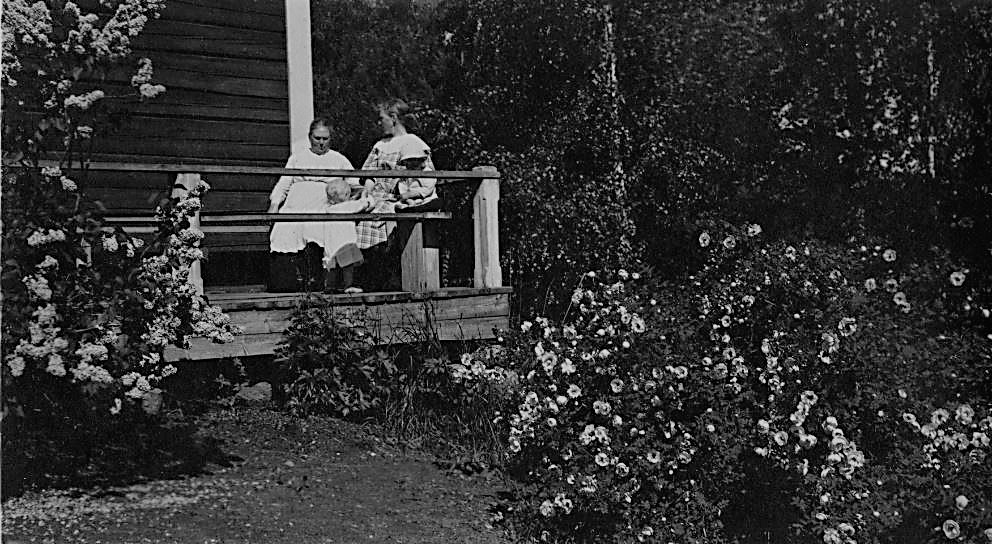
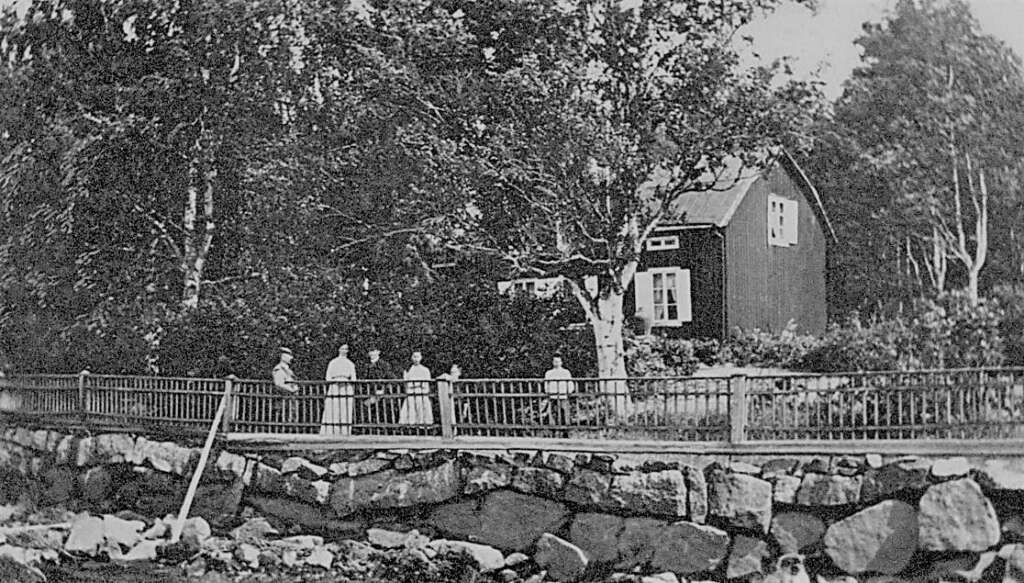
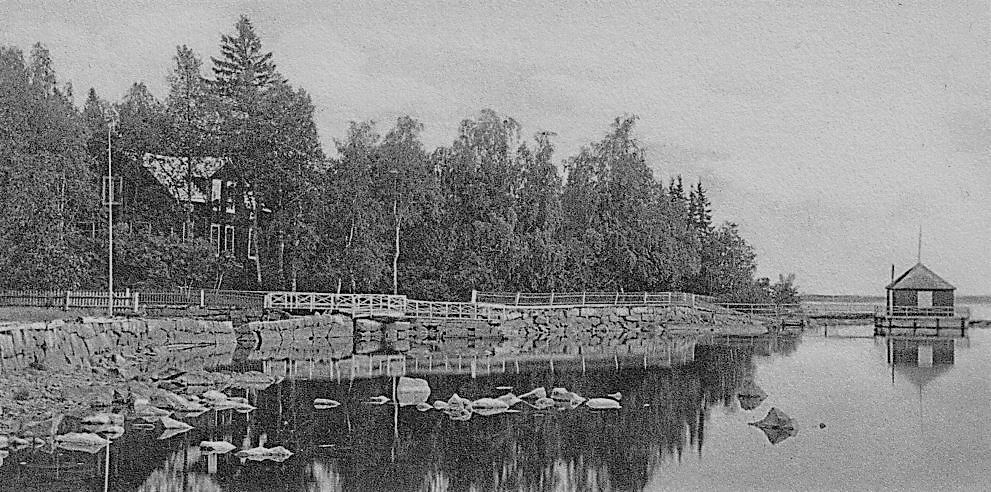
The first summer villas in the Vaasa region were built in the late 18th century. They were large and splendid buildings, whose gardens could even be wandered by peacocks. Townspeople began building villas in the present-day Kuparisaari and Suvilahti around the mid-19th century.
Small cottages became common starting in the 1920s. After the Second World War, cottage cultivation also rose to an important position. For this reason many older people still regard the summer cottage as a “work camp”.
In the 1950s, more and more people could afford to acquire a leisure residence, which was most often a small cottage built by voluntary labour from boards obtained from one’s own land, with a sauna. The city’s need to expand and to open waterfront areas for public use led to the disappearance of the villa areas from Suvilahti from the 1960s onwards. The only villa on the Suvilahti waterfront that has survived to this day is Villa Berget, the so‑called Tuomela villa.
Rosenberg’s Villa
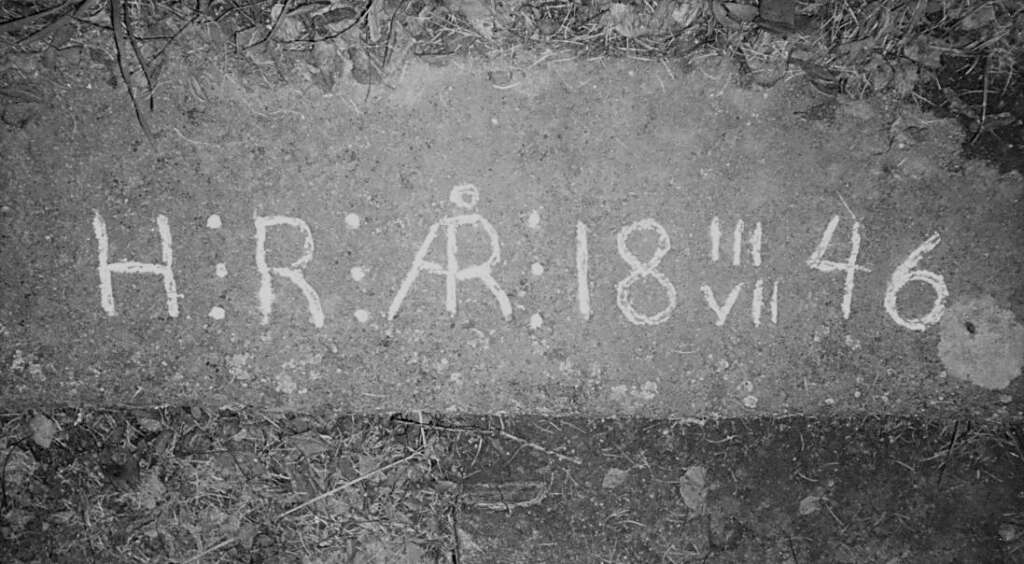
Herman Rosenberg rented a villa plot in Suvilahti in 1845, when the area’s summer use began. After Rosenberg’s death the villa passed into the ownership of his son Herman Antell. The villa was also known as Bäckström’s villa, since goldsmith Alfred Bäckström rented Rosenberg’s villa area and, after Antell’s death, ultimately took possession of much of the area. Rosenberg’s villa, however, burned down already at the end of the 20th century, leaving only the three piers that were located on the plot.
The villa’s second owner, heir to a fortune and physician Herman Antell, has had great significance for Finland’s cultural history. In his will he made a large donation and gave one million gold marks as well as all his collections to the State of Finland. Antell’s collection included, among other things, art, coins, archaeological objects and medals. The name of the “millionaire doctor” Antell is still associated with some of the most important foundations of our museums, and his collection has since been further expanded, for example with works by national artists.
The old villa settlement of Suvilahti
Please note that the villas are privately owned.
