The unique nature and innovative individuals live side by side in the Kvarken Archipelago. Here the archipelago culture is strong and the land uplift is affecting the lifestyle.
The shorelines are slowly changing into fields, fishing areas shift, roads are extended, population centres are even further from the sea and pastures scattered far in the outer archipelago. The idyllic red houses are built on top of the moraine ridges and the stone fences border the yards and fields. In the Kvarken, there certainly is material for stone fences!
The people of the archipelago have always been reliant on the sea, which offers both food and a means of transportation. The archipelago still shows signs of ancient fishing trips, such as stone ovens, sea marks, anchorages and net drying racks. You can witness yourself the fishing traditions of the old days the Bodback old fishing harbour, which is located near Svedjehamn’s fishing harbour.
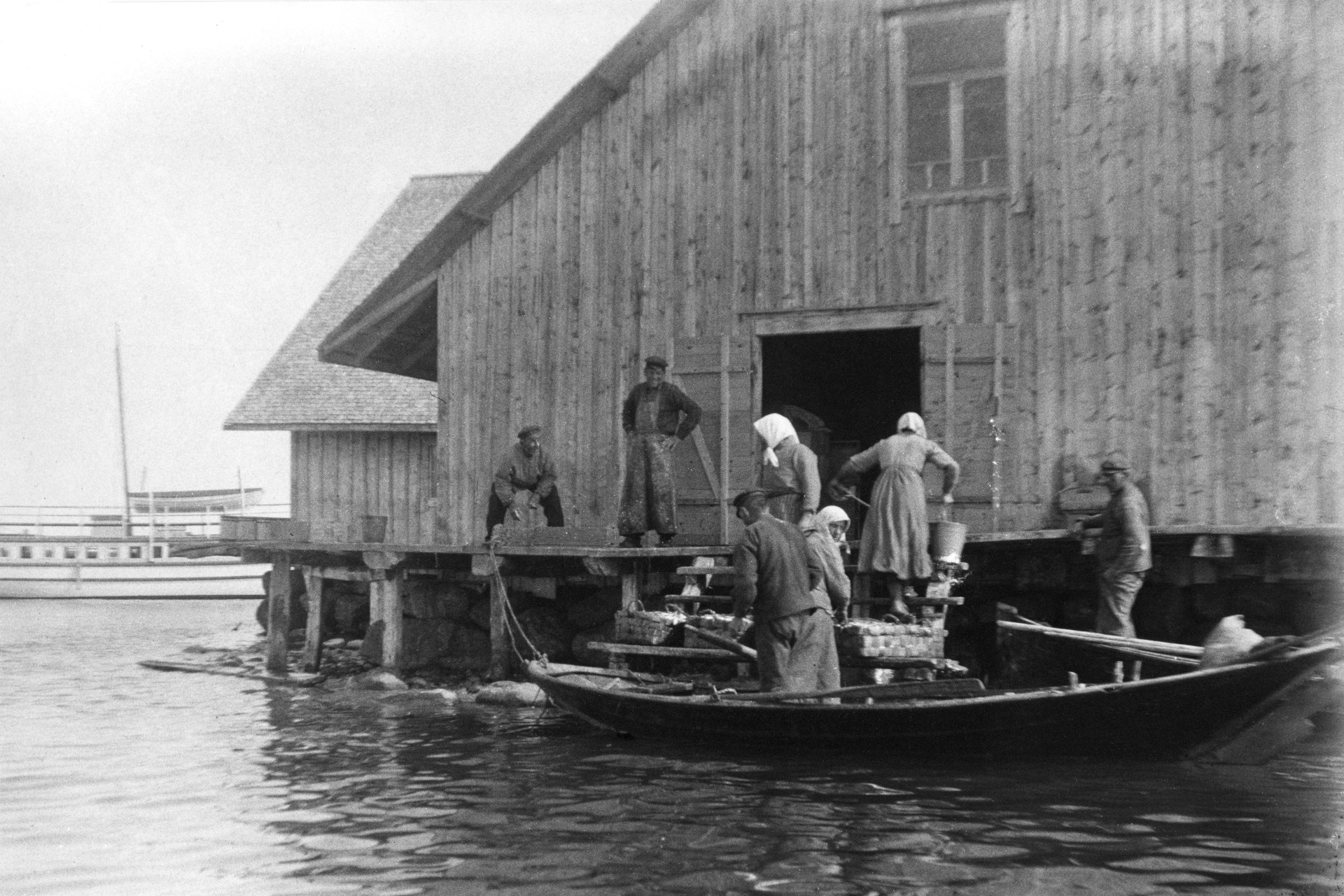
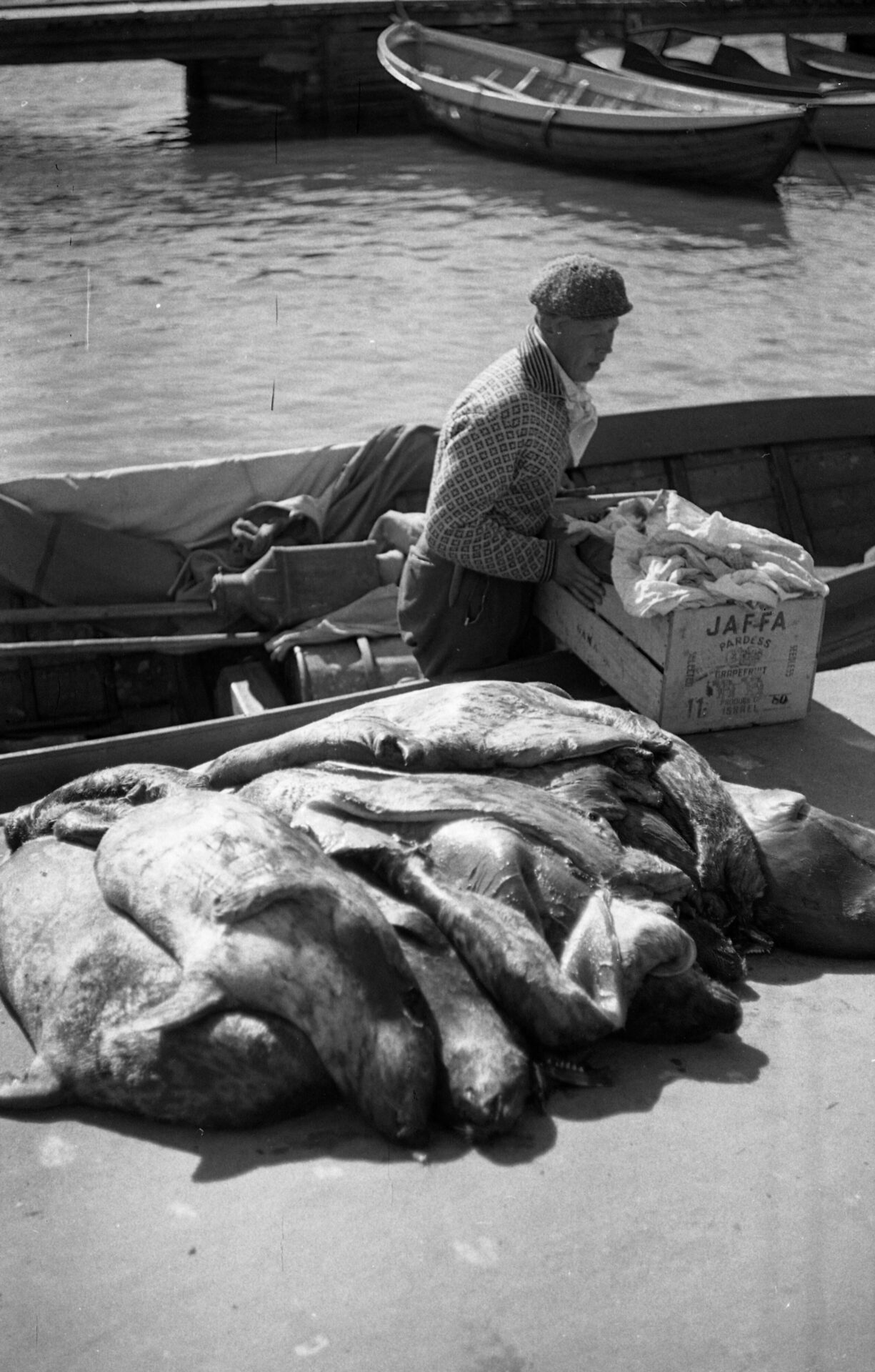
Seal hunting in the late winter took weeks or even months, and the men lived in a large wooden boats in harsh conditions. Only thing that warmed out there was a spirit drink. The women and children kept things running at homes during the seal hunting and fishing trips. The entire village would be part of the fishing one way or another, and for example the nets were untangled and dried with the help of many generations.
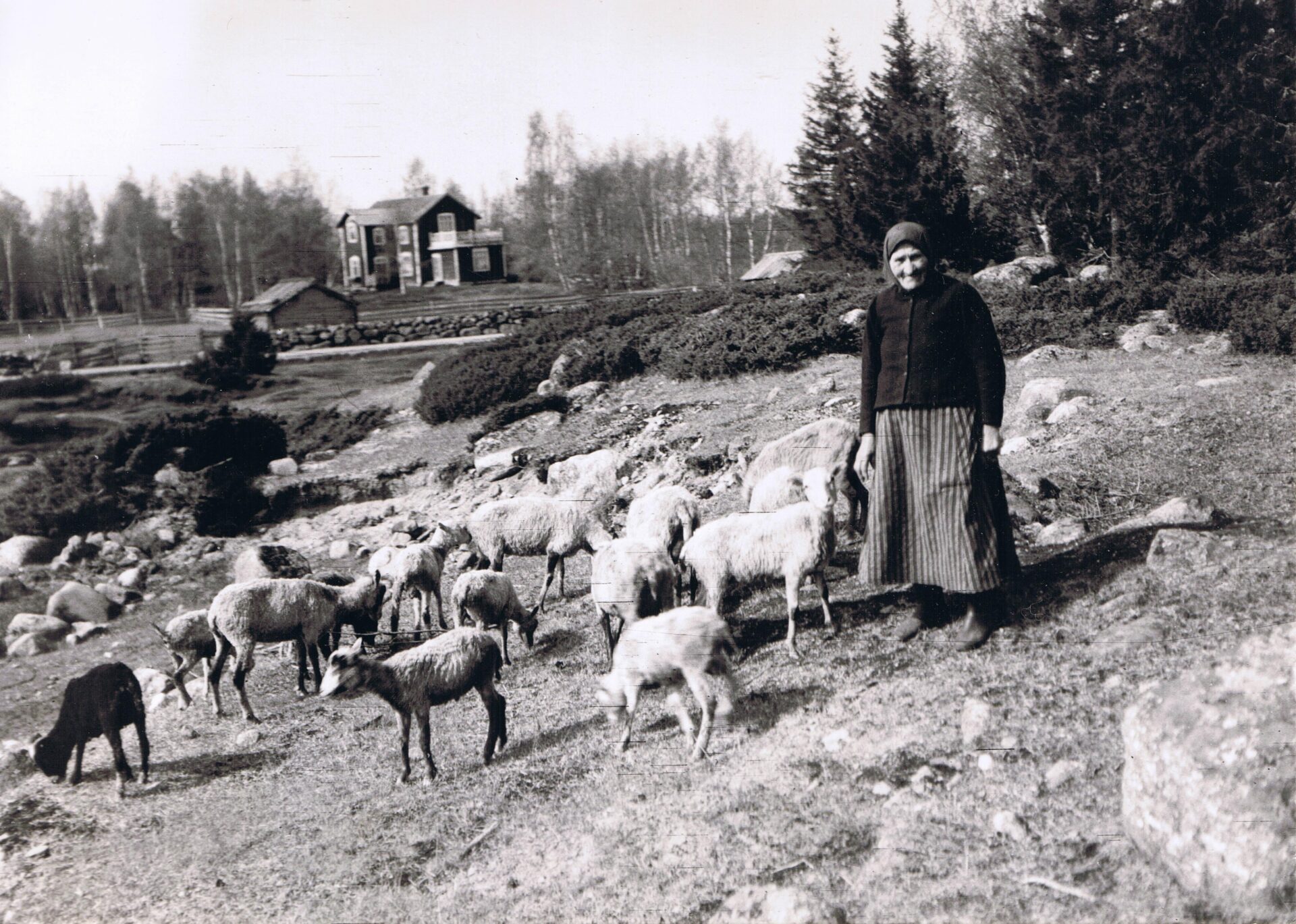
The ragged and rough terrain of the Kvarken would not seem to fit for agriculture. However, the persistent islanders have found the way and you can see farmland and meadows in the archipelago. The livestock were safe from the predators in the islands, although the milking trips might have been rather long. Nowadays you can spot sheep, horses and Highland cattle grazing in the pastures.
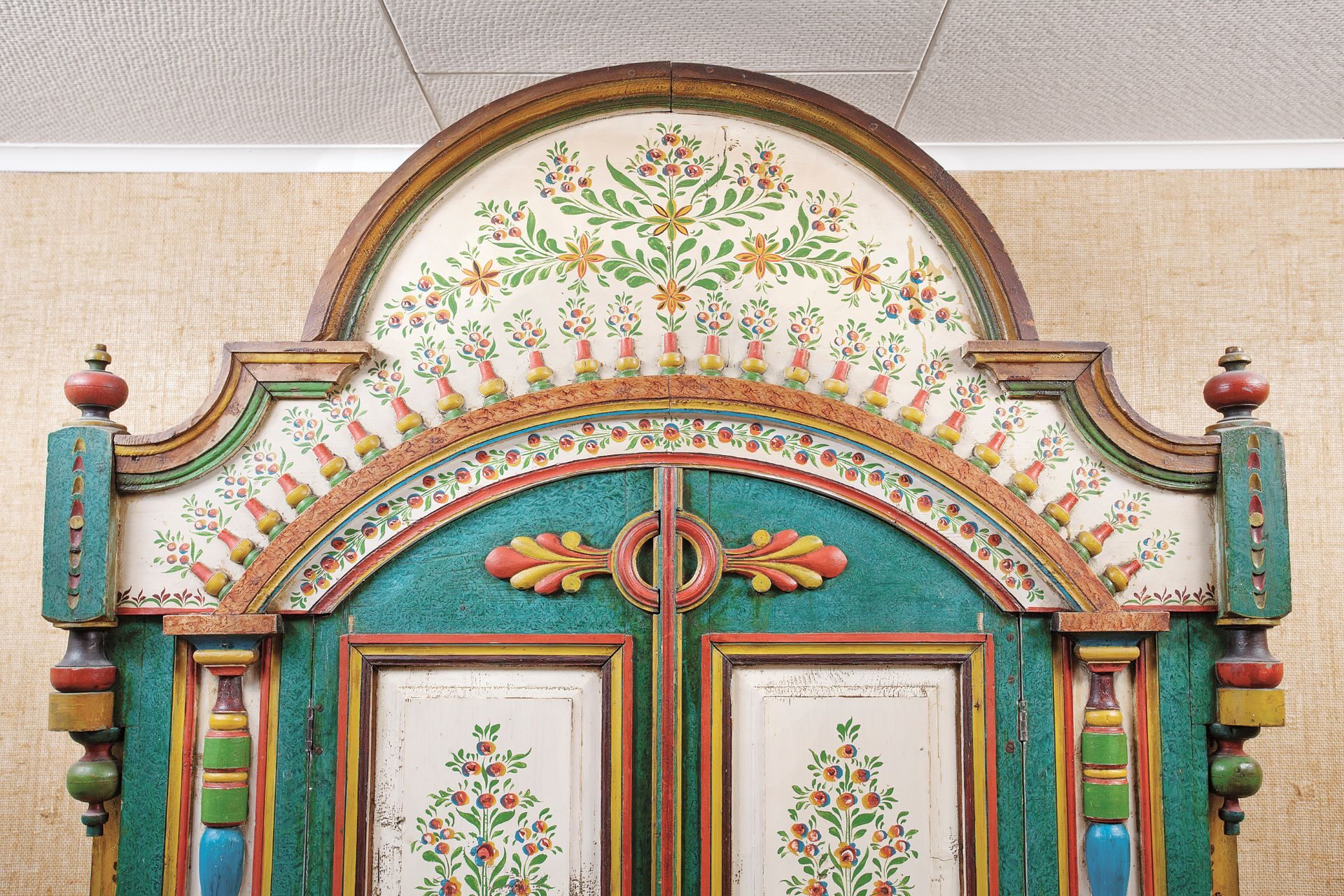
The islanders can be proud of the their inventiveness and skills for handcraft. The revolutionary machine that could tie a bowline knot was invented in 1937 in Björköby village. The handcraft skills become evident in the beautifully crafted and decorated cottage furniture that are often made of durable driftwood.
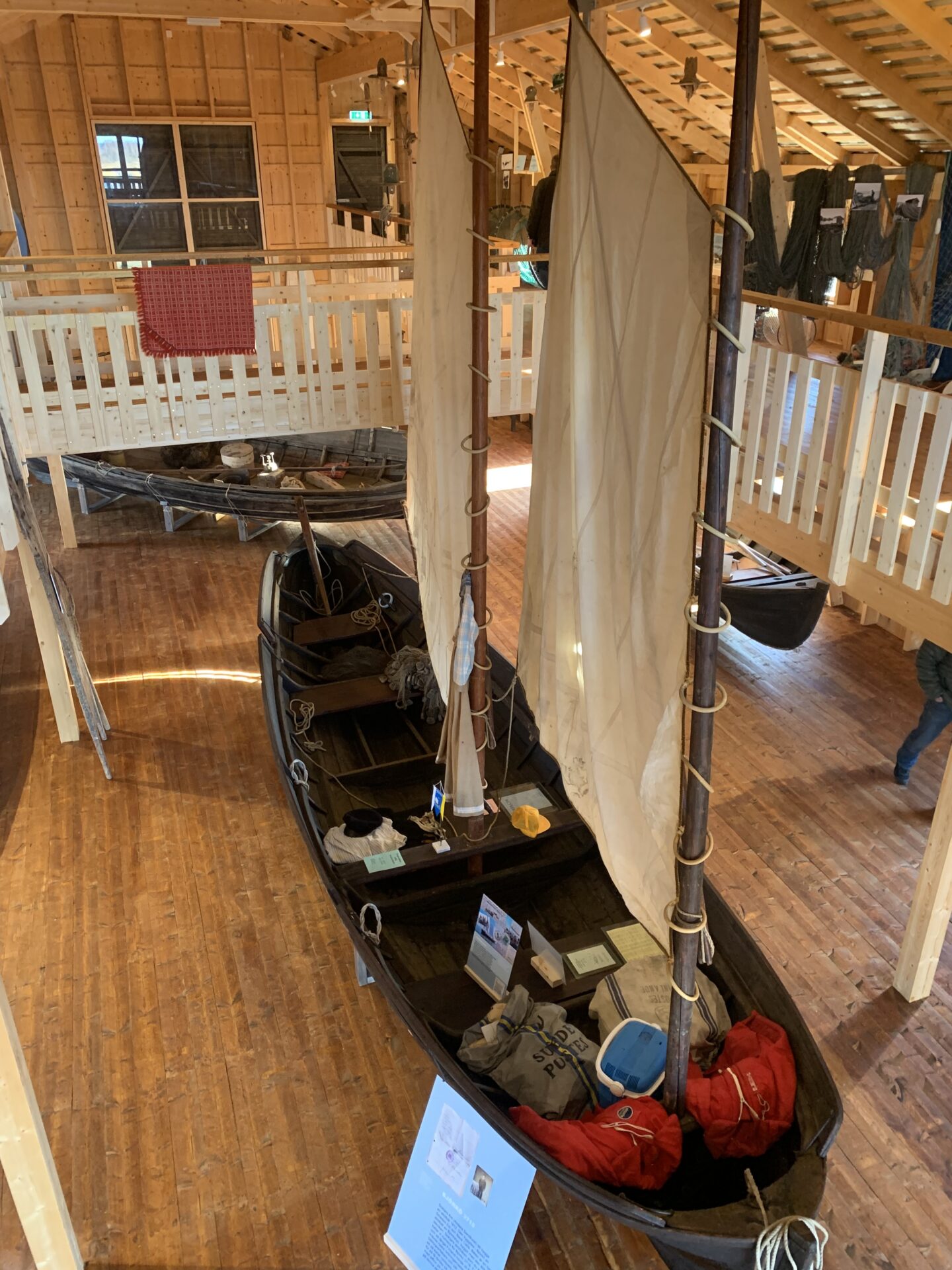
For as long as goods have crossed Kvarken, there has been passenger traffic too. People have crossed the sea ice in winter on foot, skis or horse-drawn sleighs despite the most extreme conditions. The ice road was an important lifeline both between islands and from coast to coast. The ice road was still in active use in the 1960s.
Regular crossings over Kvarken have been advertised since the end of the 1830´s. In those days travelling was still a rare event, and the travel section of the local Vaasa newspaper would always publish the names and titles of everyone making the crossing.
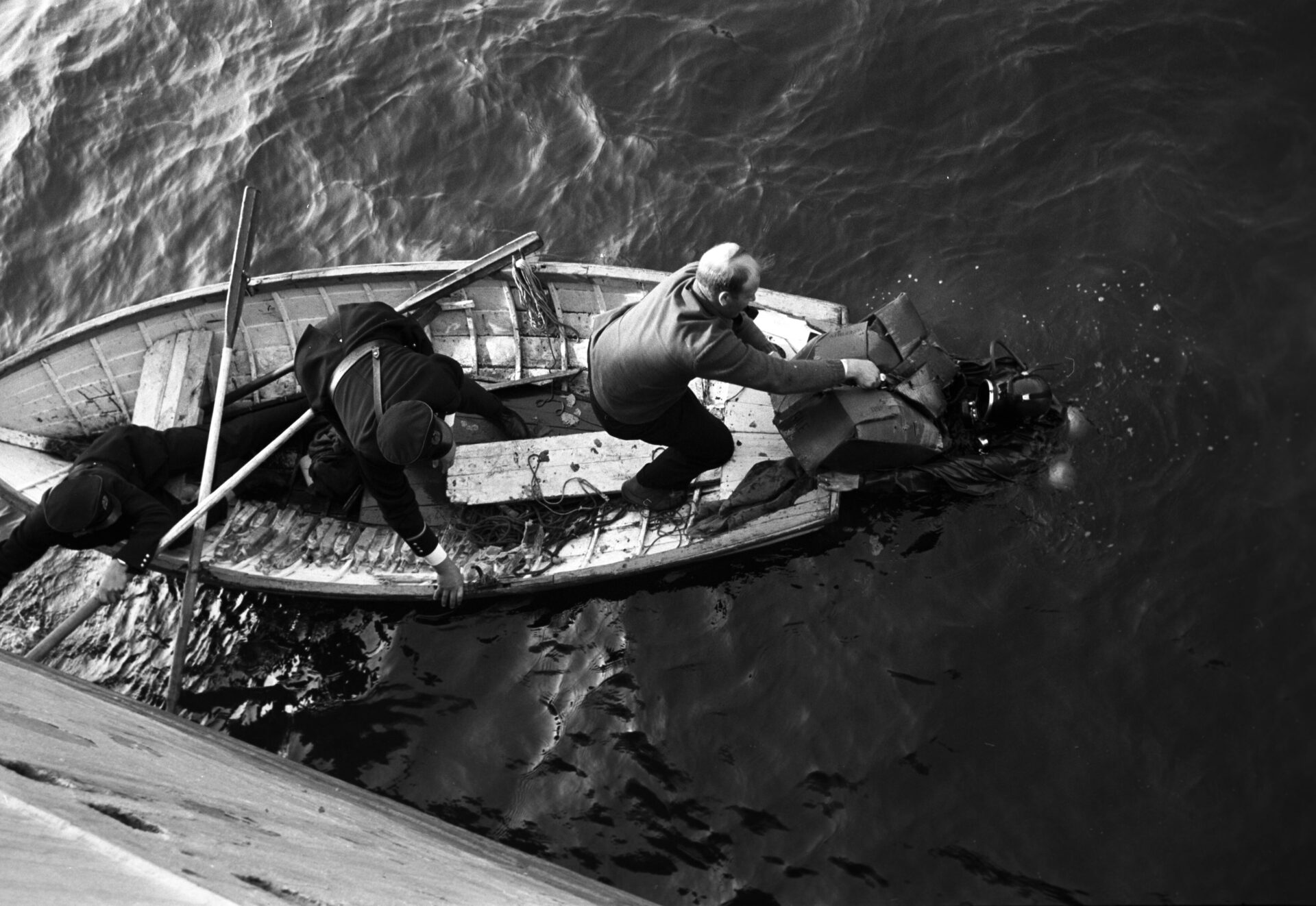
Beside legitimate trade, people in Kvarken have also mastered the art of the black market. All kinds of commodities have been smuggled through Kvarken over the years: valuable salt to avoid high taxes, alcohol during Prohibition, then guns and even people. Also coffee, cocoa, tobacco, spices, scissors, tin and rubber have been smuggled across the water. The Kvarken Archipelago, which is difficult to navigate, was full of hiding and storage places only known by the locals – and there was never any shortage of boats.
There were times when it would not be inaccurate to say that your job options were either a customs agent or a smuggler. When the times were rough, the same person could move from camp to the other.
Smuggling exists at various levels of seriousness. Alcohol smugglers gathered criminal networks around them and carried large shipments, while practically every single boat smuggled coffee at one time or another. An old story tells the tale of a couple of smugglers who found God after a Free Church meeting and immediately stopped smuggling booze – just to start smuggling coffee.
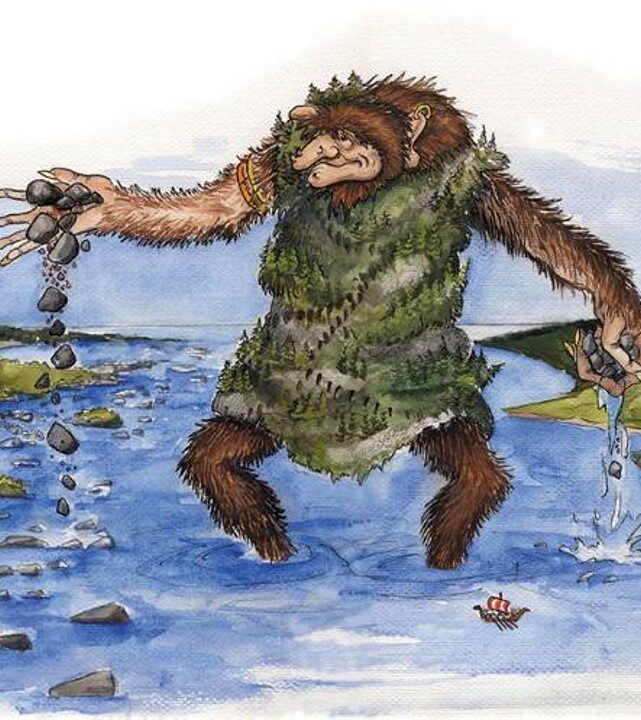
The giant named Finn: Have you heard the story of what happened to the giant’s sack of stones when he was crossing Kvarken? In ancient times when giants roamed the world, the naughty giant boy named Finn was banished from Sweden because of his mischief.
With his sack full of stones he started to make his way across Kvarken, but halfway across a hole appeared in the sack. The stones from the sack became Valsörarna islands with its islets. When the giant reached a place called Panike the sack’s bottom broke completely and the remaining stones fell into the sea. In a rage the giant threw stones around even more. From these stones the islands of Replot, Björkö and Vallgrund were formed. The place where the sack burst was left with most of the remaining stones.
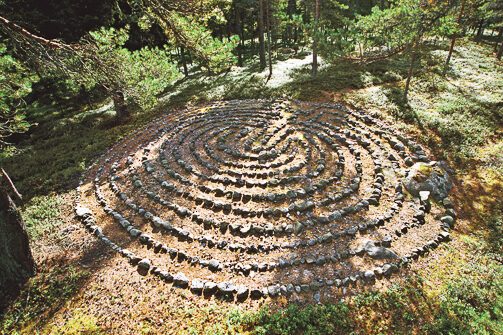
Stone labyrinths. The giants have all too often been blamed for this and that, and especially for rock formations that appear to have no natural explanation. Cairns, large boulders, stone labyrinths, shingle fields and beaches, and compass roses may well simply be the mischief of the giants. The very name ‘maiden’s labyrinths’, used to describe the labyrinths made of stones the size of a person’s head, may offer a clue as to their origin. Nowadays, many of these phenomena have been given scientific explanations rather than being attributed to giants. Only the origin of the ‘maiden’s labyrinths’ remains a mystery.
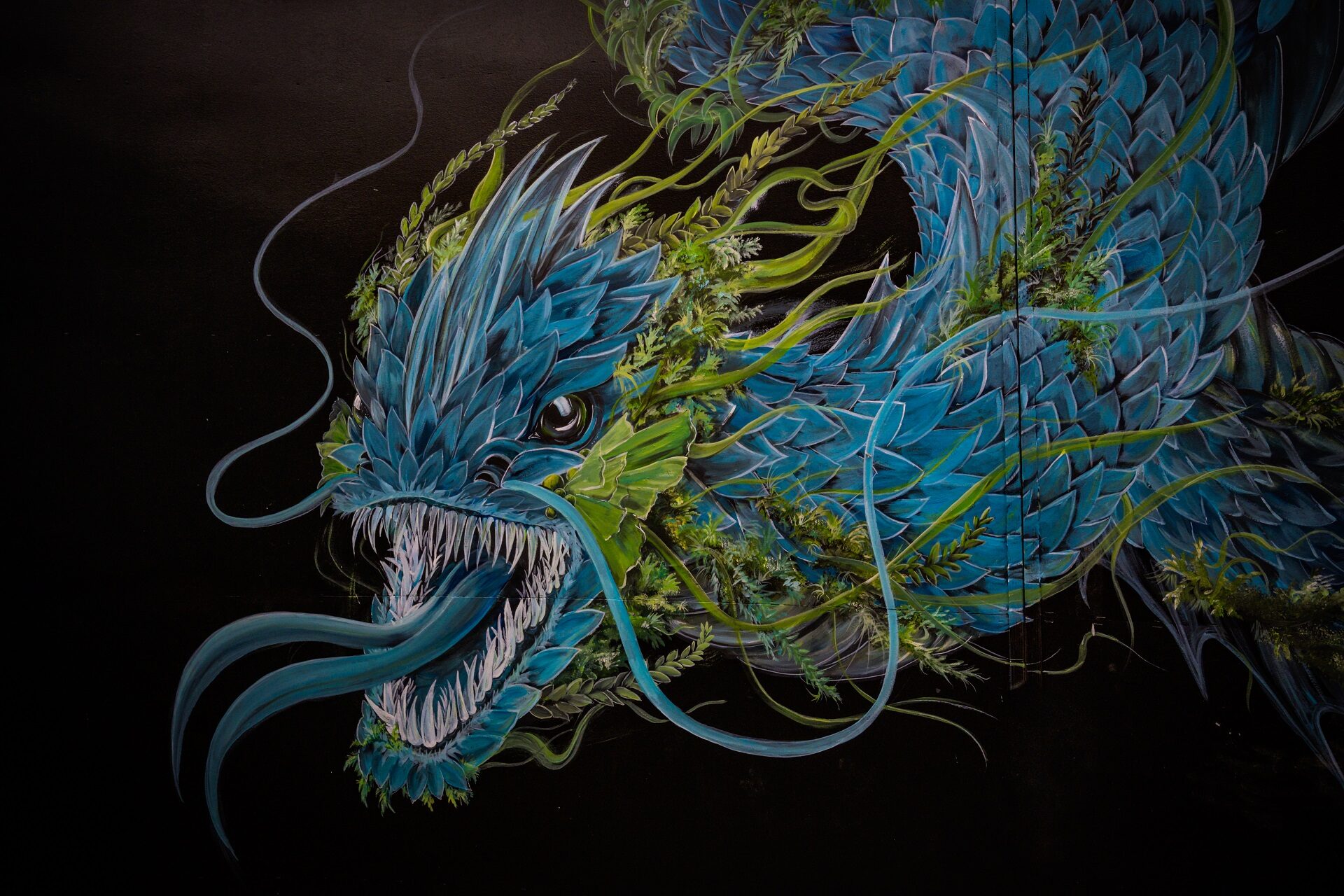
The sea monster: Official sightings of a sea monster living in the Kvarken were no longer recorded in the 20th century, but there were many reports in the 19th century. The sheriff of Replot encountered the creature several times and reported his observations to various authorities. He named the creature Confusarius Maris Baltici, the Baltic Sea monster. Besides the sheriff, the Norrskär lighthouse keeper and numerous fishermen also claimed to have seen the beast with their own eyes.
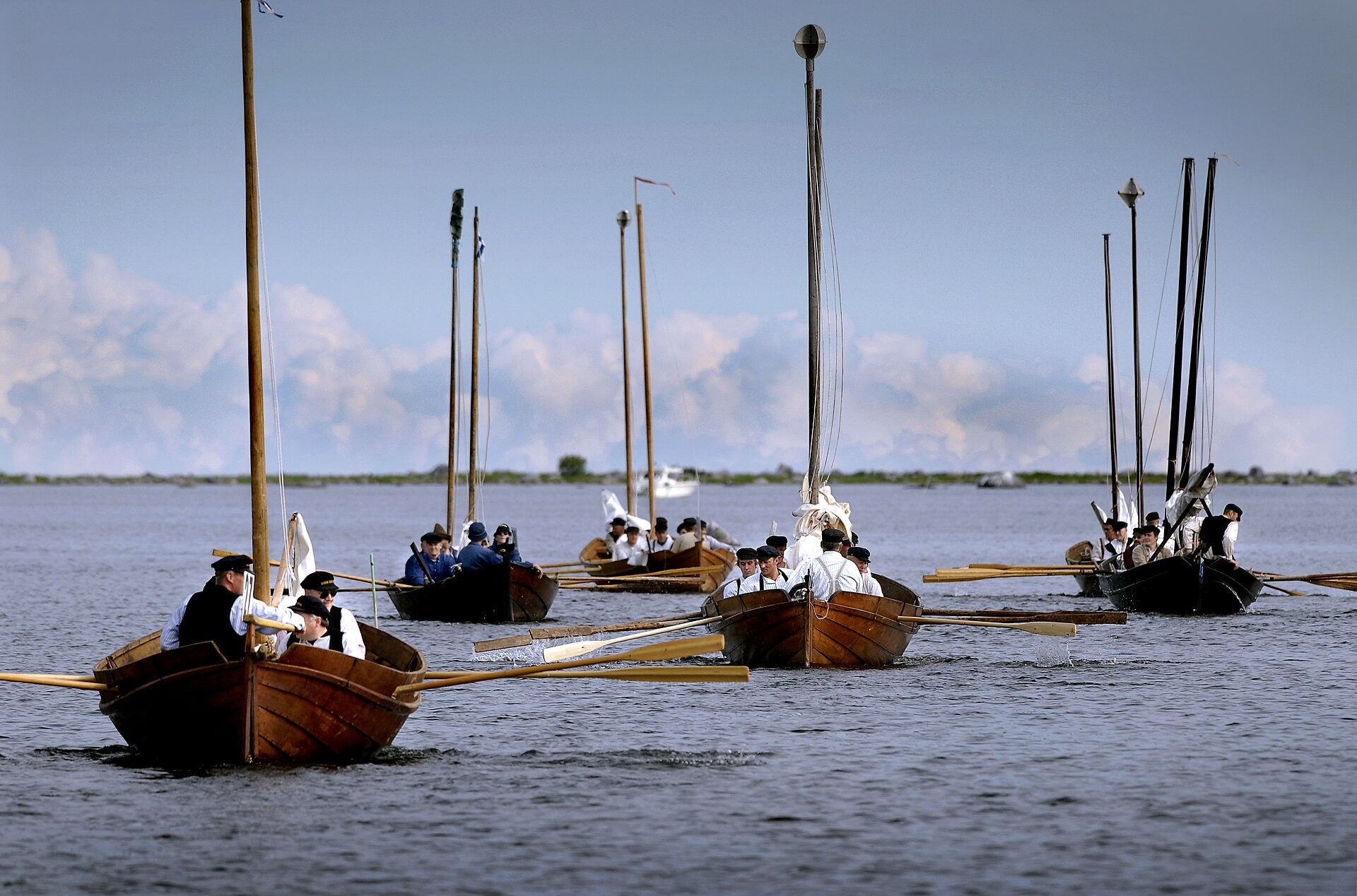
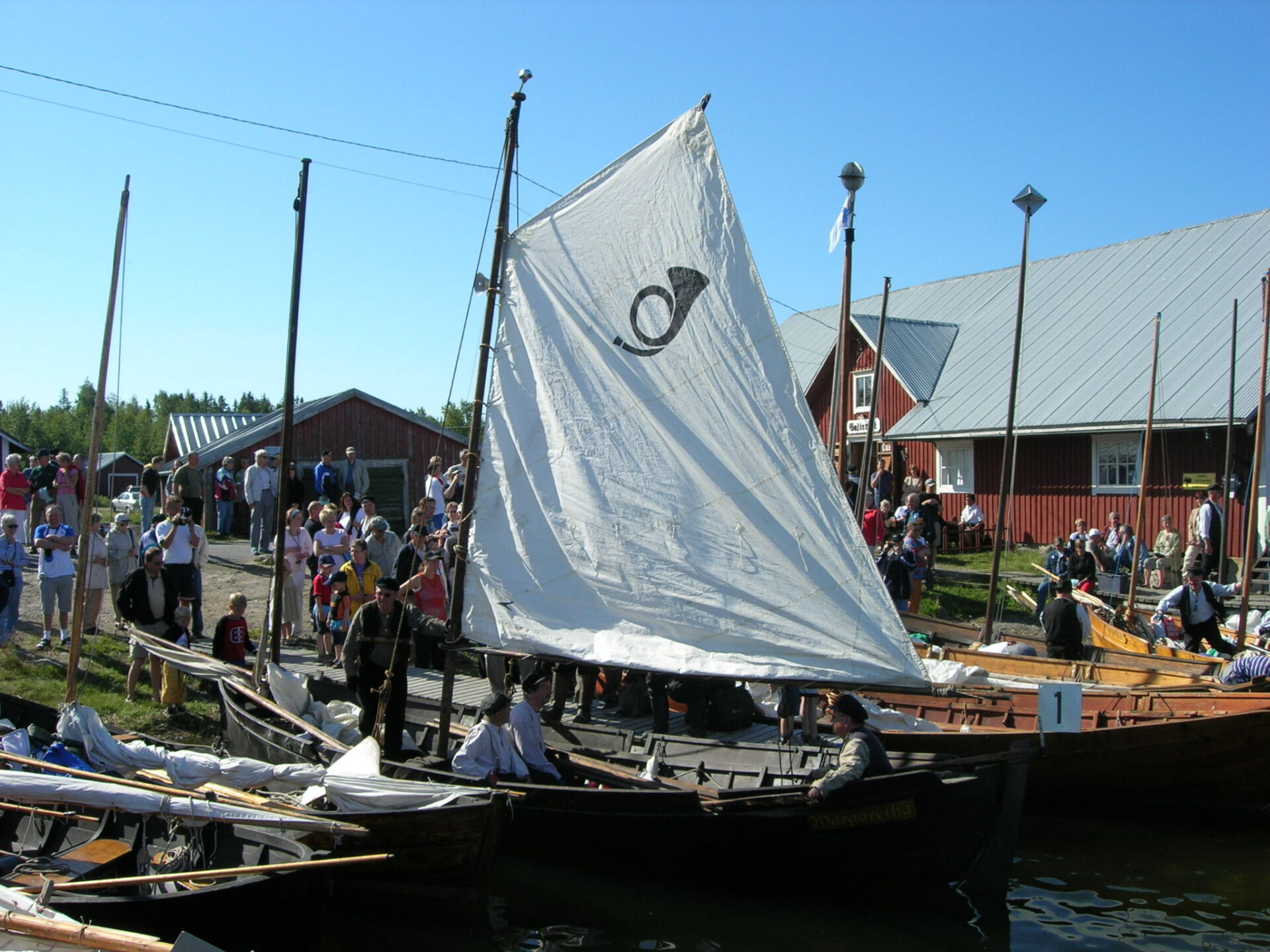
The tar scented, wooden rowing boats, wind catching the white sails and the rhythm of several oars. On the highlights of summer in the Kvarken Archipelago is the traditional mail rowing. The mail rowing celebrates the almost 300-year tradition of delivering the mail between the Kvarken Archipelago in Finland and Holmön island in Sweden. In alternate years, the boatmen set sail either from Holmön or Svedjehamn fishing harbour in the Kvarken.