
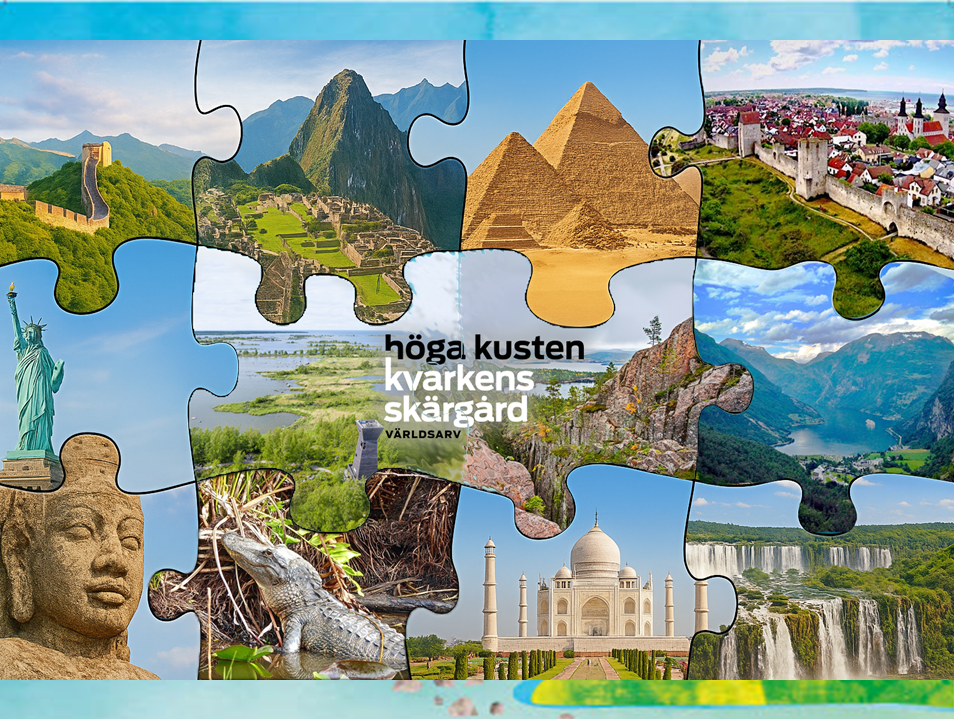
Being inscribed on UNESCO’s World Heritage List is a high-level international recognition and an honour. The site also becomes part of the large global family of cultural and natural World Heritage sites.
The Kvarken Archipelago is in the same league as Canada’s Rocky Mountain Parks, Ecuador’s Galapagos Islands, the United States’ Grand Canyon or Zimbabwe and Zambia’s Victoria Falls. This not only speaks to the value of the site itself but also to the fact that, regionally, nationally and internationally, there is a readiness to work to preserve the heritage for future generations.
Exploring the World Heritage List is exciting and the variety of sites is interesting. The list has given rise to a travel tradition in which the World Heritage List inspires experience-seeking travellers around the world. At the same time as the Kvarken Archipelago, two other natural heritage sites were inscribed: Colombia’s Malpelo Island with its unique shark population and China’s panda area in Sichuan.
The World Heritage Convention
The World Heritage Convention is an international treaty adopted in 1972 by UNESCO (The United Nations Educational, Scientific and Cultural Organization) to protect the world’s cultural and natural heritage sites. The Convention aims to identify and safeguard the value and preservation of the world’s key cultural and natural heritage sites through cooperation between nations.
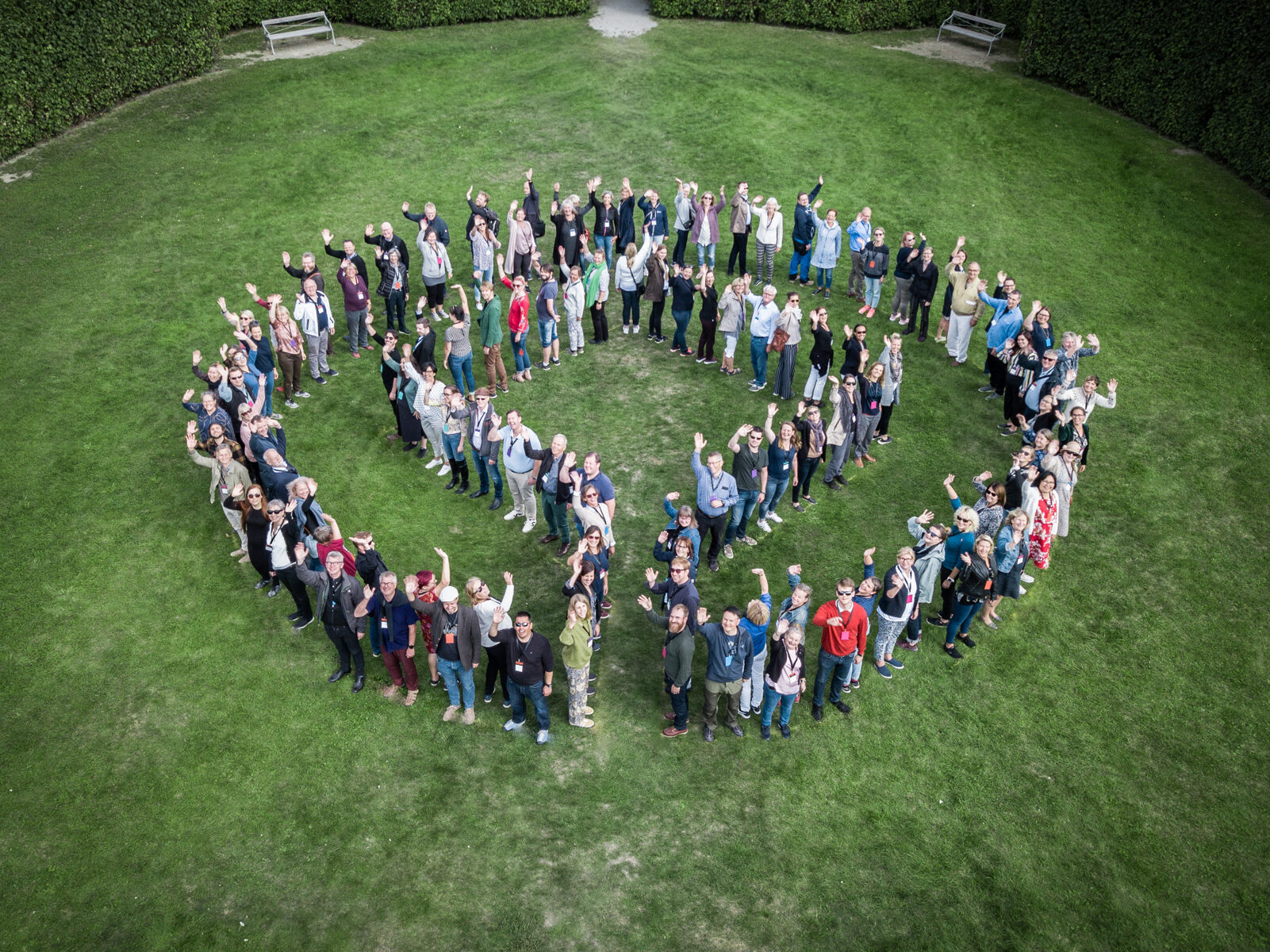
The World Heritage List includes 1,273 sites (as of 2026) in 173 States Parties. Of these, over 200 are natural heritage sites and almost 1,000 are cultural heritage sites. 42 sites belong to both groups. The sites form our shared cultural and natural heritage and are considered by the World Heritage Committee to have outstanding universal value.
- 991 cultural sites
- 240 natural sites
- 42 mixed sites (both cultural and natural values)
States that have ratified the Convention can nominate sites to the World Heritage List. Finland ratified the World Heritage Convention in 1987. As of October 2024, 196 States Parties had ratified the Convention.