Article categories: News
Vaasa Has the World’s First Carbon-Sequestering Cycling Path – Biochar Experiment Successful
Published: 23.3.2026
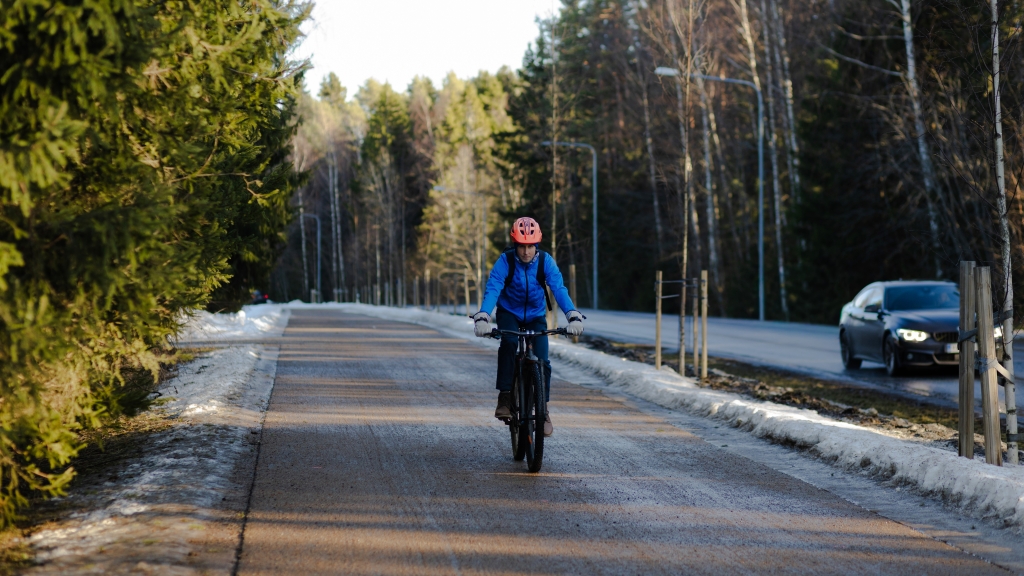
The City of Vaasa has tested the use of biochar in the structure of a cycling path to reduce the climate impact of construction. The aim of the experiment was to determine whether biochar affects frost heave and load-bearing capacity, and whether it could be used more widely in the future. After a one-year monitoring period, the results are positive.
Biochar was used in the lowest structural layer of a new cycling path along Gerbyn rantatie over a distance of about 300 meters in 2024. The biochar is placed underground, with normal structural layers and asphalt on top. The cycling path looks ordinary from the surface, but beneath it lies a solution that combines climate action and urban construction in a new way.
Biochar is produced from plant-based biomass. It captures carbon from the atmosphere and stores it in the soil, helping to mitigate climate change. In the structure of the cycling path, the biochar acts as a carbon sink and significantly reduces the carbon footprint of construction.
The experiment supports Vaasa’s goal of becoming carbon neutral during the 2020s and is part of the city’s ambitious climate work, for which it received the European Commission’s Green Leaf 2026 award.
Biochar Performed as Expected but Increased Costs
Because biochar absorbs more liquid than conventional materials, there was a risk that the cycling path structure might suffer from frost heave. For this reason, the behavior of the biochar in different seasons was monitored for a year after the path was completed.
The first year of monitoring has now been completed, and the results are positive. The cycling path has not suffered from frost heave, and its load-bearing capacity mostly meets the required standards. Structurally, using biochar beneath the surface layers is therefore feasible.
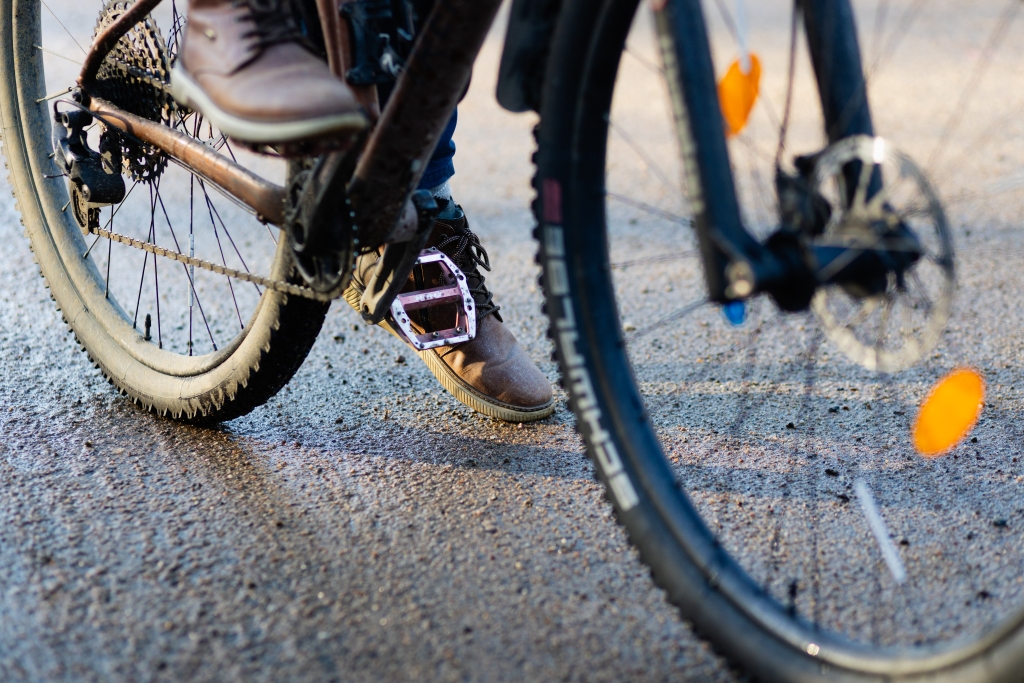
However, the experiment did not show any direct benefit for the construction of the cycling path itself. The use of biochar increased costs and provided no structural advantage compared with conventional solutions.
– Nevertheless, the possibility to store carbon and offset construction emissions tips the scale to the positive side, says Project Engineer Samuli Huusko.
For the time being, Vaasa has no plans to continue using biochar. The city will continue to monitor the results in the coming years.
– For biochar to be beneficial, it would need to be produced in large quantities close to where it’s used. That would reduce both costs and emissions from transportation, Huusko explains.
Results Also of International Interest
The experiment carried out in Vaasa is unique, as biochar has never before been used in structural layers in this way. The trial has generated valuable knowledge about the use of biochar, and the results can be utilized in projects around the world. The same concept could also be applied to other types of street and road infrastructure.
The project has received 100,000 euros in EU’s RRF funding from Business Finland as part of the Low-Carbon Built Environment Programme.
Vaasa has been named a European Green Leaf City for 2026. The European Commission awards this recognition annually to cities that promote sustainable development and work systematically for the environment and climate.