



Article categories: News
Vaasa and Wärtsilä are developing the Konepaja quarter into a new urban hub
Published: 8.6.2026
The Vaasa City Council has made a decision to develop the Konepaja quarter in collaboration with Wärtsilä Finland Oy. The decision paves the way for establishing a joint development company and for the quarter’s long-term development.
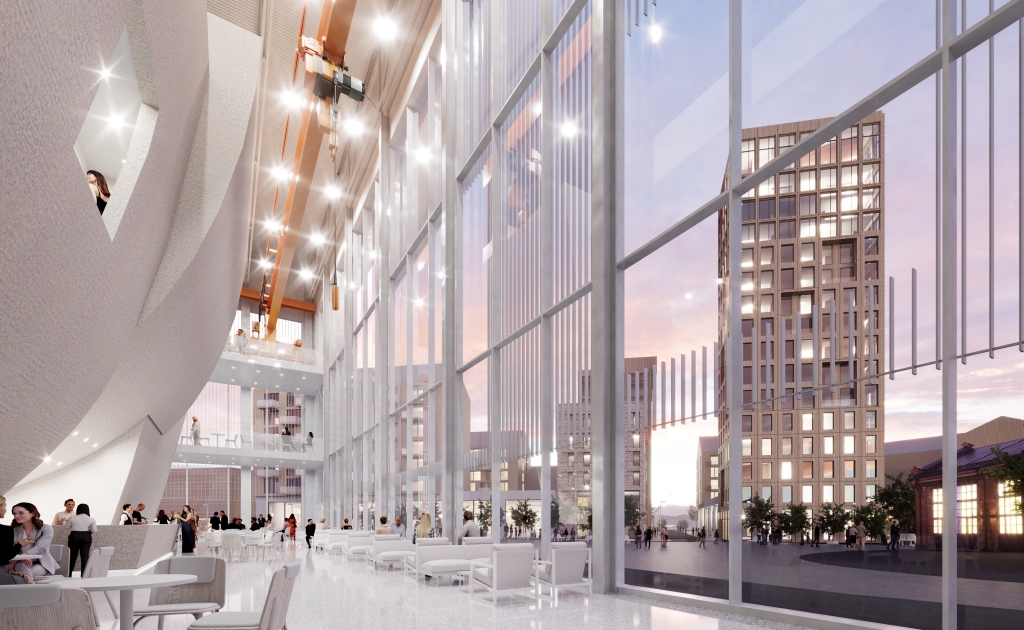
The aim is to transform the Konepaja quarter into a modern, diverse urban space that brings together jobs, housing, services, and urban culture.
– The Konepaja quarter is one of Vaasa’s key future development targets. The council’s decision to establish a development company allows us to take concrete steps towards creating a new, vibrant urban hub, says Tomas Häyry, Mayor of Vaasa.
A significant step for Vaasa’s future growth
The joint development company will serve as the driving force behind the development project. According to the plan, Wärtsilä will hold a 53 per cent majority stake, while the City of Vaasa will own 47 per cent. The new company will be a subsidiary of Wärtsilä Finland Oy and an affiliated company of the City of Vaasa.
– Collaboration with the City of Vaasa lays a strong foundation for the area’s development. We want to play our part in building a whole that supports the development of both industry and urban life, says Magdalena Granö, CEO of Wärtsilä Finland.
The aim is to bring together expertise from the public and private sectors and ensure a smooth start to the quarter’s development.
– Developing the Konepaja quarter will boost the city’s vitality, as the aim is also to attract new businesses, create new jobs, diversify the urban landscape, and expand the range of services, Häyry continues.
A new urban space for residents
The development of the Konepaja quarter is viewed as an investment not only in the local economy but also in the everyday lives of Vaasa’s residents. The goal is to create an area that offers new opportunities for living, services, and leisure, alongside a vibrant urban culture.
– We want to develop a hub that invites people to spend time, meet one another and make use of local services. At the same time, we are building a more sustainable urban fabric by making use of existing infrastructure, says Häyry.