Article categories: News
EnergyWeek 2026: When the World Stepped onto Vaasa’s Stage
Published: 25.3.2026
EnergyWeek 2026 brought international focus to Vaasa as ambassadors, industry leaders, and global partners gathered for the event’s 14th edition. The opening day highlighted Vaasa’s growing role as Finland’s energy capital, showcasing global perspectives on energy security, technological innovation, and the collaborative spirit that drives the region’s forward‑looking energy ecosystem.
Once again, the City of Vaasa was ready to host energy enthusiasts and experts from all over the world for EnergyWeek 2026. As the week began with its national opening in Finnish on 16 March 2026- anticipation was already building for the following day when the world would step onto the stage.
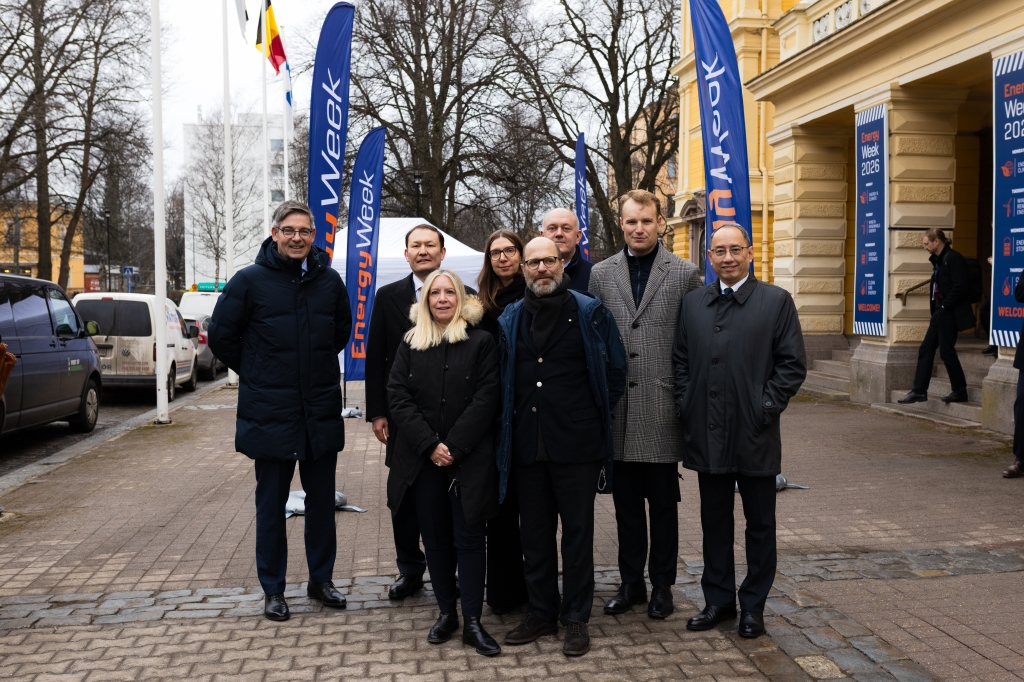
On 17 March the doors of Ritz opened for the official international opening of Energy Week 2026, marking the moment when global perspectives truly joined Finland’s energy capital.
An International Opening That Reflects a Global Mission
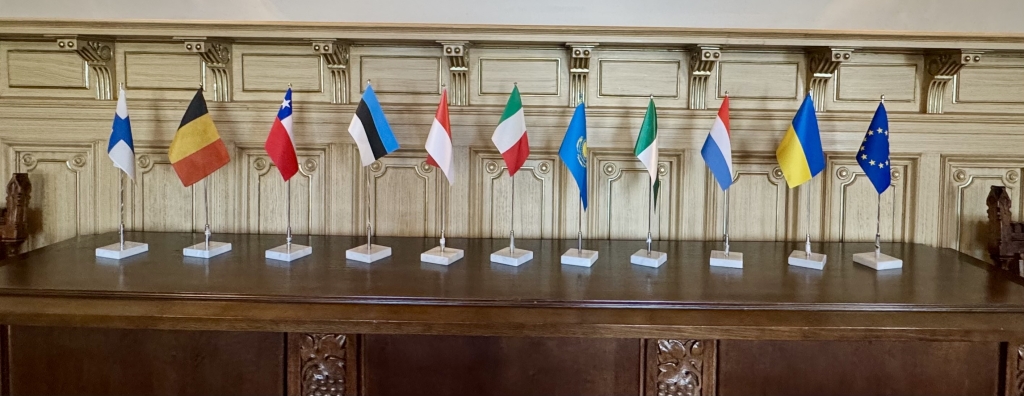
The city was honored to welcome a distinguished group of ambassadors from eight countries- Belgium, Chile, Estonia, Indonesia, Italy, Kazakhstan, the Netherlands, and Ukraine- for the international opening of EnergyWeek 2026. After Mayor Tomas Häyry’s opening remarks, the delegation was invited to share their reflections on today’s rapidly evolving global energy landscape.
Mayor Häyry described Vaasa as “The Garden of Energy,” emphasizing that success in Vaasa comes from contributing to the whole ecosystem of collaboration, where businesses, research institutions and the city grow together. He also highlighted the continued growth and international reach of EnergyWeek, which this year is being arranged for the 14th time.
One by one, the ambassadors delivered thoughtful insights shaped by their countries’ unique challenges and ambitions. Although their contexts differed, their messages converged: energy security, diversified infrastructures, and resilient green transitions are now shared global priorities. Across the speeches, three central themes stood out clearly:
1. Energy Security Is No Longer Optional
Speakers underscored the vulnerability of national grids in today’s geopolitical climate, emphasizing that modern societies depend on energy systems that can withstand shocks—from cyberattacks to physical sabotage. Especially, the Ukrainian perspective highlighted how energy infrastructure can become a frontline target, making resilience and decentralization essential.
2. Diversification and Interconnection Are the Backbone of Stability
Whether through offshore wind, hydrogen, nuclear energy, smart grids era- all the speakers stressed that no single technology is sufficient. The focus is shifting toward balanced, multisource energy portfolios and stronger cross border infrastructure. The Ambassadors from Estonia and Kazakhstan highlighted large-scale digitalization, smart grid development, and the strategic importance of interconnectors between neighboring countries.
3. The Green Transition Must Be Pragmatic and Inclusive
The Ambassadors pointed out that the transition to carbon neutrality requires adopting all viable solutions: renewables, transitional fuels, energy storage, digital tools, and in several cases—even renewed interest in nuclear power. The Ambassadors from Italy and Belgium emphasized the importance of applying nonideological, technology open approaches, pairing green growth with industrial competitiveness.
Together, these themes echoed a shared belief: the global future of energy lies in cooperation, not isolation.
After the opening ceremony, all international guests moved to the City Hall, where this year’s main exhibitions were held, each day with a special theme. This part of the program offered the ambassadors a concrete insight into Vaasa’s role as a living testbed of energy innovation, where ideas become prototypes and prototypes become exportable solutions.
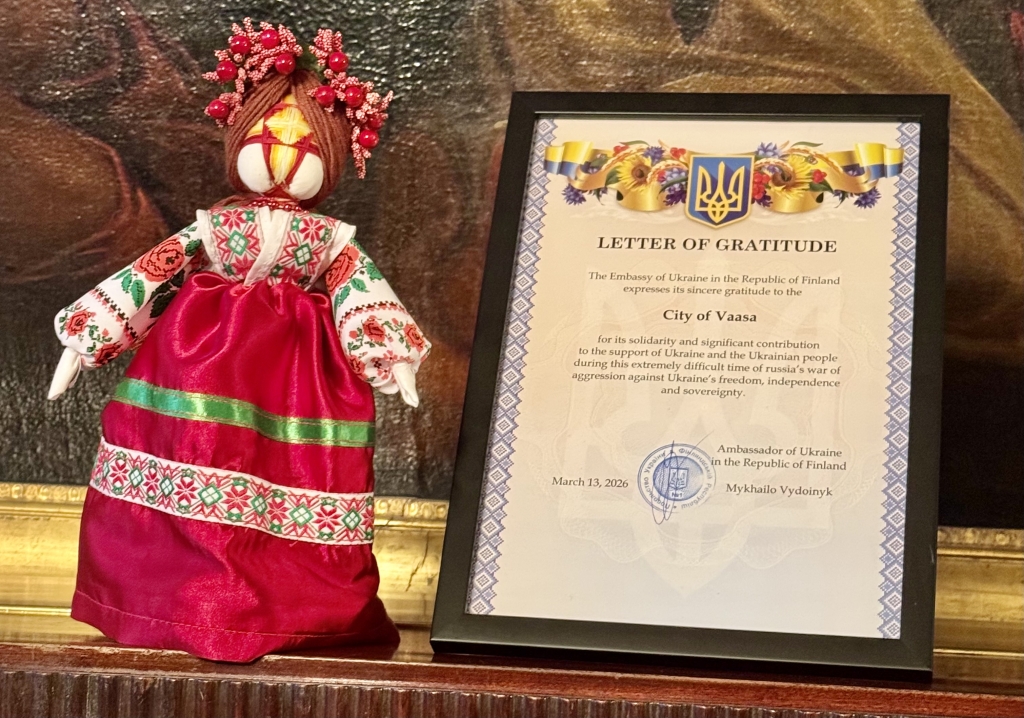
The day continued with a luncheon hosted by Mayor Häyry at the historic Governor’s Residence, a symbolic setting that has witnessed key chapters of Finland’s history. During lunch, the Ukrainian ambassador rose to offer a heartfelt expression of thanks for the city’s support during a harsh winter marked by repeated strikes on Ukraine’s energy infrastructure. As a sign of appreciation, the ambassador presented a letter of gratitude and a traditional Ukrainian protective doll—an amulet symbolizing prosperity and the safeguarding of homes. The gesture was more than ceremonial; it resonated with the assembled guests as a quiet acknowledgment that energy security is also about human security, community resilience, and solidarity in crisis.
Building on that shared sense of purpose, Sarah Väre, the Growth manager of the Kvarken Council introduced the Nordic Connector, a project emphasizing a fixed link across the Kvarken Strait between Vaasa and Umeå that combines road, rail, and energy infrastructure. After this the residence turned into a living room of lively conversations. Ambassadors, city leaders, and company representatives mingled across rooms adorned with historic art, exchanging views on current geopolitical pressures, talent retention, and how to keep grid investments synchronized with the rapid growth of renewables.
The delegation continued to Wärtsilä’s Sustainable Technology Hub (STH) for a deep dive into how renewable energy systems can be made reliable at scale. The visit was hosted by Kenneth Engblom (Vice President, Wärtsilä Energy Europe & Africa), Magdalena Granö (Director, Customer Delivery) and Juha Päivike (Director, Logistics Chain & Ecosystems), who guided the group through the integrated campus of manufacturing, logistics, testing laboratories, and R&D.
EnergyWeek 2026 unfolded as far more than a series of formal sessions—it became a vivid demonstration of how local leadership, global expertise, and regional cooperation can align toward a shared energy future. The sincere gesture from the Ukrainian delegation, the strategic vision of the Nordic Connector presented by the Kvarken Council, and the ambassadors’ united call for resilient, diversified, and cooperative energy systems all underscored the same message: the challenges ahead cannot be met in isolation. Instead, they require exactly the kind of ecosystem Vaasa embodies—one where cities, companies, researchers, and international partners work side by side. Vaasa once again affirmed its role as Finland’s energy capital—an environment where ideas are tested, partnerships are formed, and the foundations of a sustainable energy future are actively built.